Ireland is often called the Land of Saints and Scholars, but it could just as easily be known as the Land of Legends and Myths. Across the Emerald Isle, ancient stories have been passed down through generations, blending history, folklore, and imagination into a rich tapestry of cultural heritage. From heroic warriors and mythical giants to fairy folk and ancient gods, Ireland’s landscapes are filled with places where these legendary tales are said to have unfolded.
What makes Irish mythology particularly special is that many of the locations featured in these stories still exist today. Visitors can walk among ancient ruins, climb sacred hills, explore mysterious caves, and stand beside natural wonders that have inspired centuries of storytelling.
Whether you’re a history enthusiast, a lover of folklore, or simply seeking unique travel experiences, these Irish legends and myths you can visit today offer a fascinating journey into Ireland’s magical past.
Why Irish Mythology Remains So Captivating
Irish mythology is among the oldest and most detailed in Europe. Long before written records existed, stories were shared through oral tradition by poets, storytellers, and druids. These tales helped explain natural phenomena, preserve cultural values, and connect communities to the land around them.
The myths often revolve around powerful themes such as bravery, love, betrayal, magic, and the supernatural. Many locations associated with these stories became sacred sites and remain important cultural landmarks today.
Exploring these places allows travelers to experience not only Ireland’s stunning landscapes but also the stories that have shaped the nation’s identity for centuries.
1. The Hill of Tara: Seat of the High Kings
Few places in Ireland are as closely connected to mythology as the Hill of Tara in County Meath.
This ancient ceremonial site is believed to have been the seat of Ireland’s High Kings for thousands of years. According to legend, Tara was a sacred center where kings were crowned and where the boundaries between the human and supernatural worlds were particularly thin.
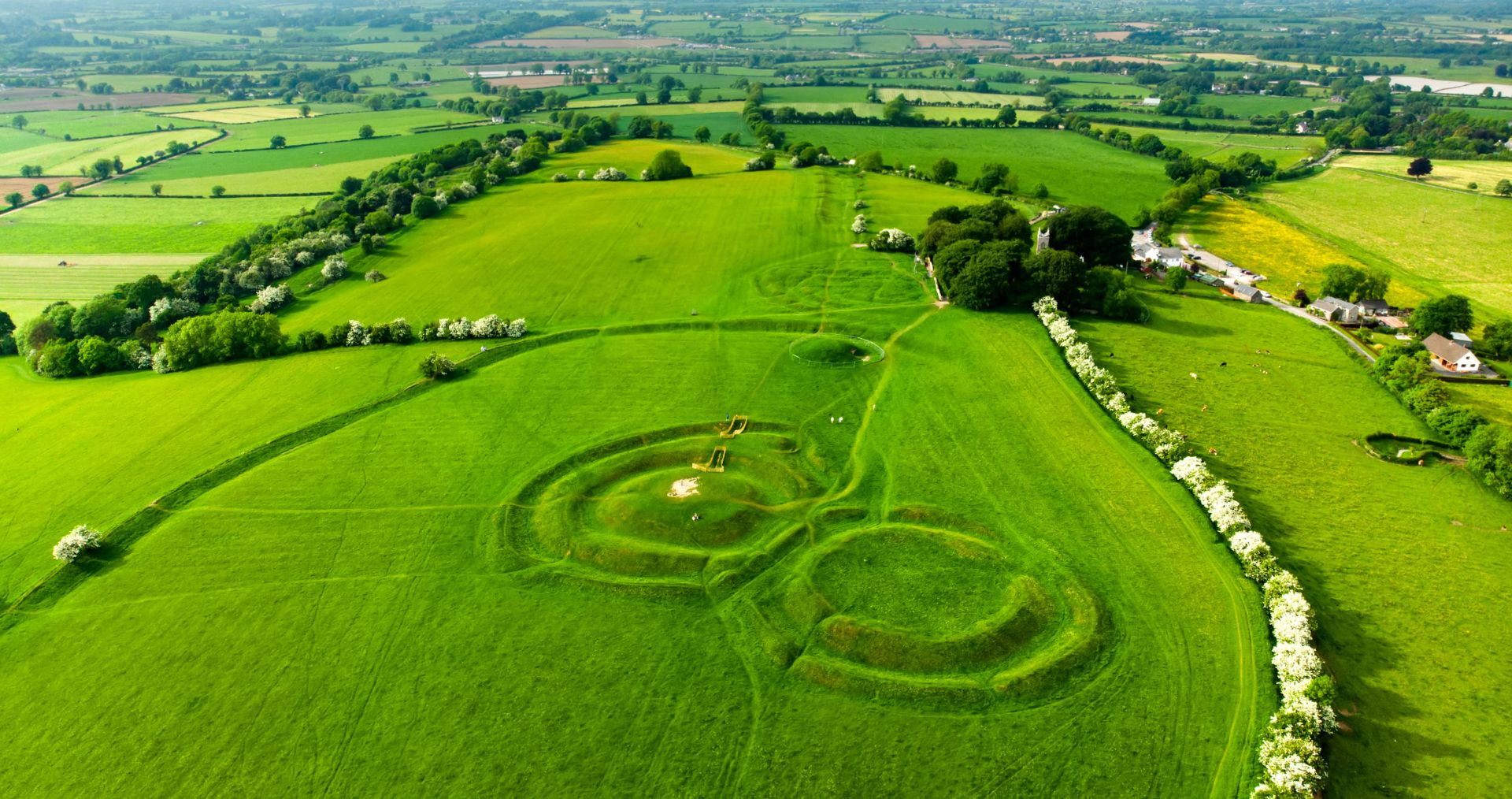
One of the most famous features is the Lia Fáil, or Stone of Destiny. Mythology claims that the stone would roar when touched by the rightful king of Ireland.
Today, visitors can explore the earthworks, ancient monuments, and panoramic views that make Tara one of Ireland’s most important archaeological and mythological sites.
Legendary Connection:
- High Kings of Ireland
- The Stone of Destiny
- Ancient Celtic ceremonies
2. Giant’s Causeway: The Legend of Finn McCool
Few natural landmarks are as iconic as the Giant’s Causeway in Northern Ireland.
This UNESCO World Heritage Site consists of approximately 40,000 interlocking basalt columns formed by volcanic activity millions of years ago. However, Irish folklore offers a much more imaginative explanation.
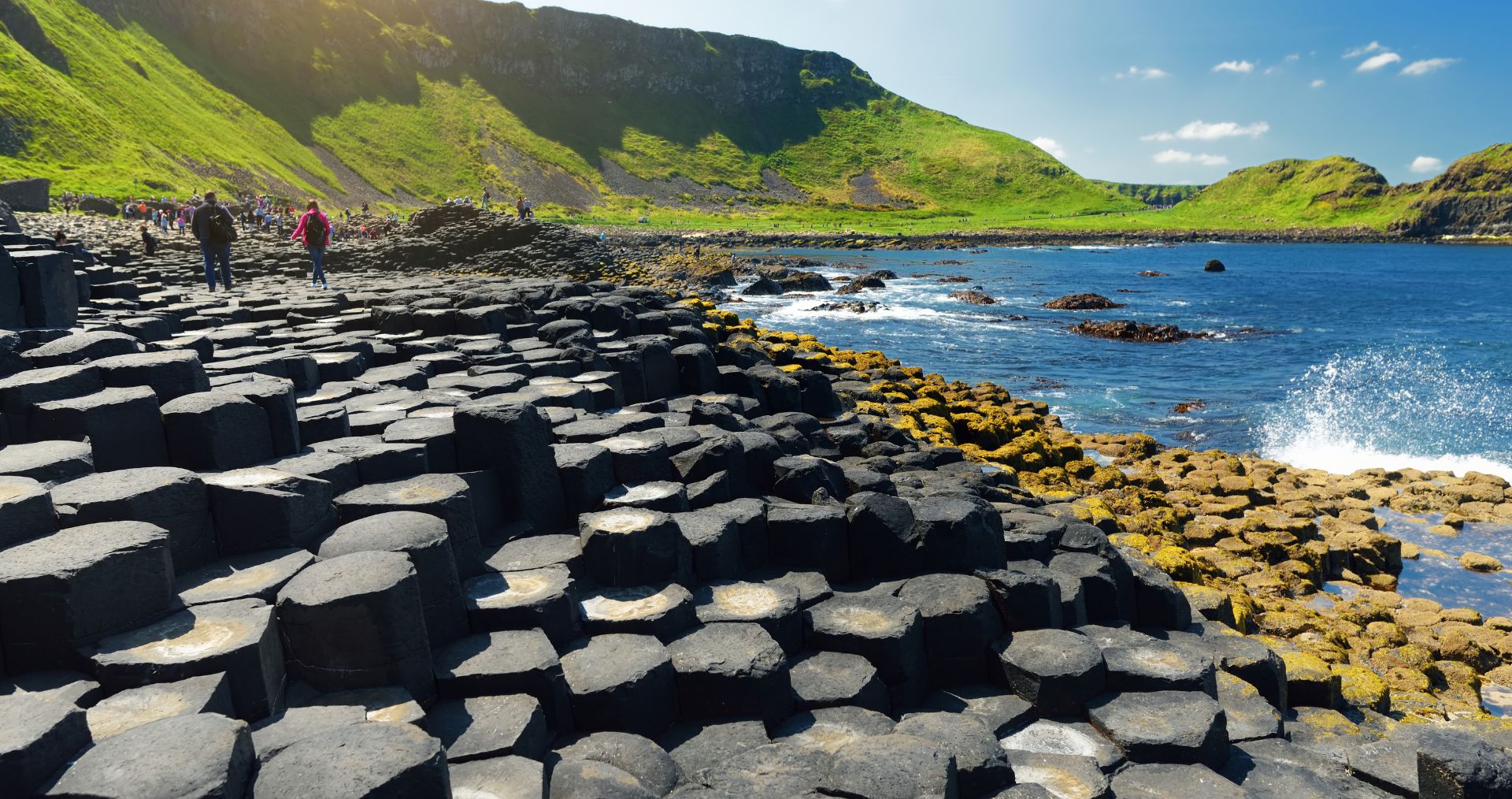
According to legend, the giant warrior Finn McCool built the causeway across the sea to challenge a Scottish giant named Benandonner. When Finn realized his rival was much larger than expected, his clever wife disguised him as a baby. Seeing the enormous “child,” Benandonner assumed the father must be gigantic and fled back to Scotland, destroying the causeway behind him.
Today, visitors can walk across the remarkable stone formations and imagine the legendary battle that inspired one of Ireland’s most beloved myths.
Legendary Connection:
- Finn McCool (Fionn mac Cumhaill)
- Giant battles
- Ancient folklore
Older than both Stonehenge and the Egyptian pyramids, Newgrange is one of Ireland’s most extraordinary ancient monuments.
Built over 5,000 years ago in the Boyne Valley, this prehistoric passage tomb is associated with the Tuatha Dé Danann, a mythical race of supernatural beings who played a central role in Irish mythology.
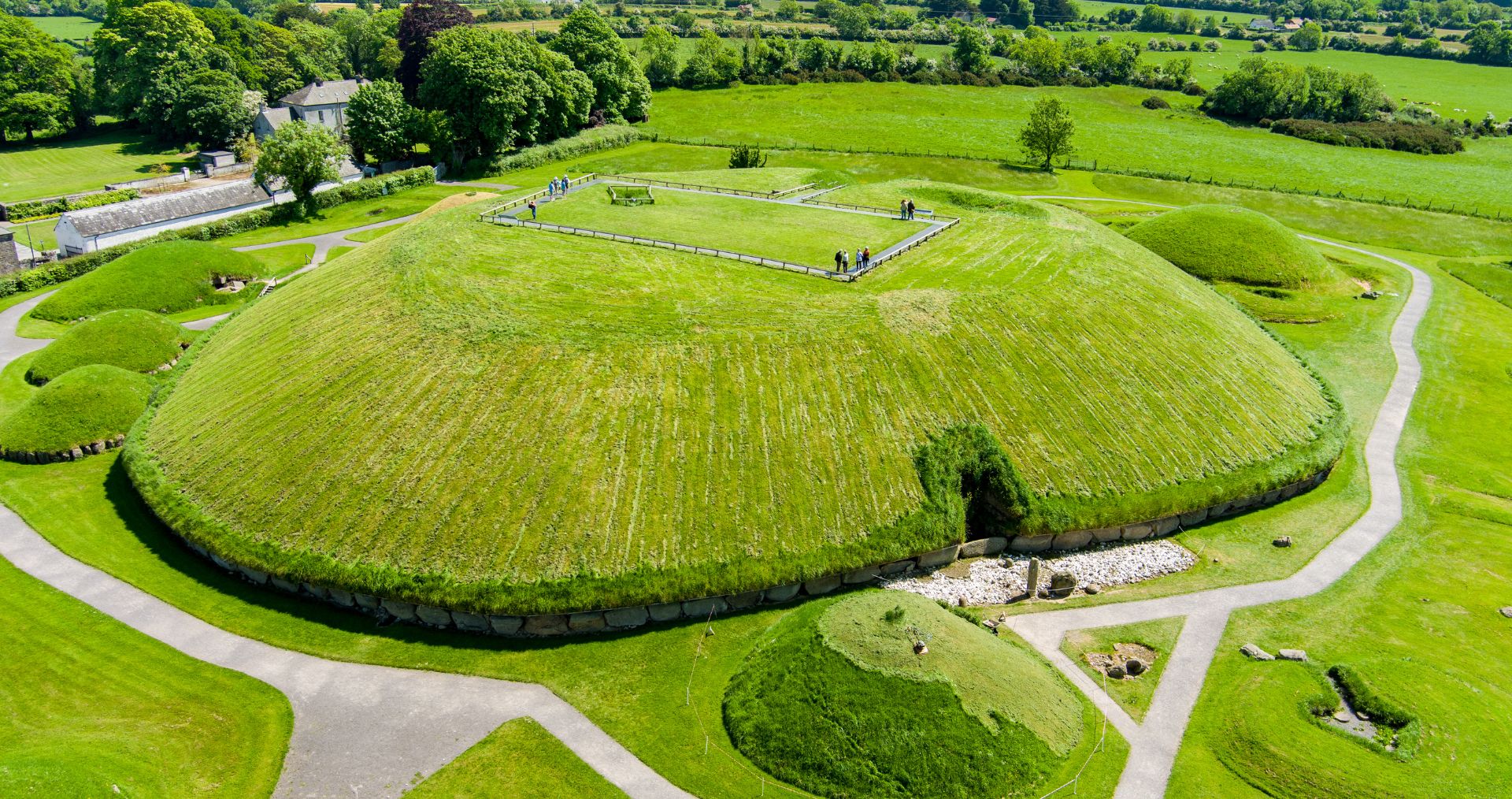
According to legend, Newgrange became the home of the god Dagda and his son Aengus, the god of love and youth.
Each winter solstice, sunlight enters the tomb and illuminates the inner chamber—a phenomenon that continues to inspire wonder among visitors.
Legendary Connection:
- Tuatha Dé Danann
- The Dagda
- Aengus, God of Love
4. Lough Derg and St. Patrick’s Purgatory
Located in County Donegal, Lough Derg has long been associated with spirituality, legends, and mystical journeys.
According to tradition, Saint Patrick was shown a cave on an island in the lake that revealed the torments of purgatory. The site became an important pilgrimage destination and remains one of Ireland’s most significant religious locations.
The surrounding landscape adds to the sense of mystery that has attracted visitors for centuries.
Legendary Connection:
- Saint Patrick
- Visions of the afterlife
- Medieval pilgrimage traditions
5. The Cave of Cats (Oweynagat)
Hidden in County Roscommon lies one of Ireland’s most mysterious mythological sites.
Known as Oweynagat, or the Cave of Cats, this ancient cave is connected to the Celtic festival of Samhain—the precursor to modern Halloween.
According to Irish mythology, the cave served as a gateway to the Otherworld, allowing supernatural beings to enter the human realm during certain times of the year.
Ancient texts describe terrifying creatures emerging from the cave during Samhain celebrations.
Visitors today can explore the cave entrance and learn about its role in Ireland’s rich mythological traditions.
Legendary Connection:
- Gateway to the Otherworld
- Samhain legends
- Supernatural creatures
6. Benbulben and the Story of Diarmuid and Gráinne
The dramatic tabletop mountain of Benbulben in County Sligo is one of Ireland’s most recognizable natural landmarks.
The mountain is closely associated with the tragic love story of Diarmuid and Gráinne, often described as Ireland’s version of Romeo and Juliet.
According to legend, Diarmuid was fatally wounded by a magical boar on the slopes of Benbulben while fleeing with Gráinne from the warrior Finn McCool.
The story remains one of the most enduring tales in Irish mythology.
Legendary Connection:
- Diarmuid and Gráinne
- Finn McCool
- Tragic romance
Towering above County Sligo, Knocknarea Mountain is crowned by a massive stone cairn believed to be the burial place of Queen Medb (Maeve).
Medb is one of the most famous figures in Irish mythology, known for her role in the epic tale known as the Táin Bó Cúailnge (The Cattle Raid of Cooley).
Legend says she was buried standing upright, facing her enemies in Ulster.
Today, hikers can climb Knocknarea and enjoy spectacular views while exploring one of Ireland’s most important mythological sites.
Legendary Connection:
- Queen Medb
- The Táin
- Ancient warrior queen
8. The Rock of Cashel and Ancient Legends
Perched dramatically above the countryside of County Tipperary, the Rock of Cashel is one of Ireland’s most impressive historic landmarks.
According to legend, the rock originated when the Devil took a bite from a nearby mountain and spat the stone onto the plain below.
The site later became associated with kings, saints, and important events in Irish history.
Its combination of myth, architecture, and breathtaking scenery makes it a must-visit destination.
Legendary Connection:
- Mythical origins
- Early Irish kings
- Saint Patrick traditions
9. The Fairy Glens of Ireland
Throughout Ireland, numerous landscapes are linked to fairy folklore.
These enchanted places are said to be home to the Aos Sí, supernatural beings often described as descendants of the Tuatha Dé Danann.
Popular fairy locations include:
- Fairy Glen in Donegal
- Fairy Bridges in Clare
- Fairy Forts throughout rural Ireland
Local traditions still encourage respect for fairy trees, fairy forts, and ancient ringforts, which many believe should never be disturbed.
Legendary Connection:
- Fairy folk (Aos Sí)
- Ancient magic
- Celtic folklore
10. Slieve League and Tales of the Sea
The towering sea cliffs of Slieve League in County Donegal are among the highest in Europe and have inspired countless legends.
Stories of sea gods, warriors, shipwrecks, and supernatural encounters have been associated with this dramatic coastline for centuries.
Standing atop the cliffs, visitors can easily understand how Ireland’s rugged landscapes gave rise to so many powerful myths.
Legendary Connection:
- Sea folklore
- Ancient warriors
- Supernatural legends
Tips for Exploring Ireland’s Mythological Sites
To make the most of your journey through Ireland’s legendary landscapes:
- Research the Stories First: Understanding the myths adds depth and meaning to each visit.
- Join Guided Tours: Many guides share local folklore not found in guidebooks.
- Respect Sacred Locations: Some sites remain culturally or spiritually significant.
- Visit During Shoulder Seasons: Spring and autumn often provide fewer crowds and atmospheric scenery.
- Embrace the Mystery: Irish mythology thrives on imagination, symbolism, and storytelling.
Final Thoughts
Ireland’s myths are not confined to books or ancient manuscripts—they live on in mountains, caves, lakes, castles, and sacred landscapes that travelers can still visit today. These legendary locations offer far more than scenic beauty; they provide a unique connection to the stories that have shaped Irish culture for thousands of years.
Whether you’re standing atop the Hill of Tara, exploring the ancient mysteries of Newgrange, walking the stones of Giant’s Causeway, or searching for fairy folklore in the countryside, you’ll discover that Ireland’s magic is very much alive.
For travelers seeking experiences that blend history, mythology, and breathtaking scenery, exploring the Irish legends and myths you can visit today is one of the most rewarding journeys Ireland has to offer.