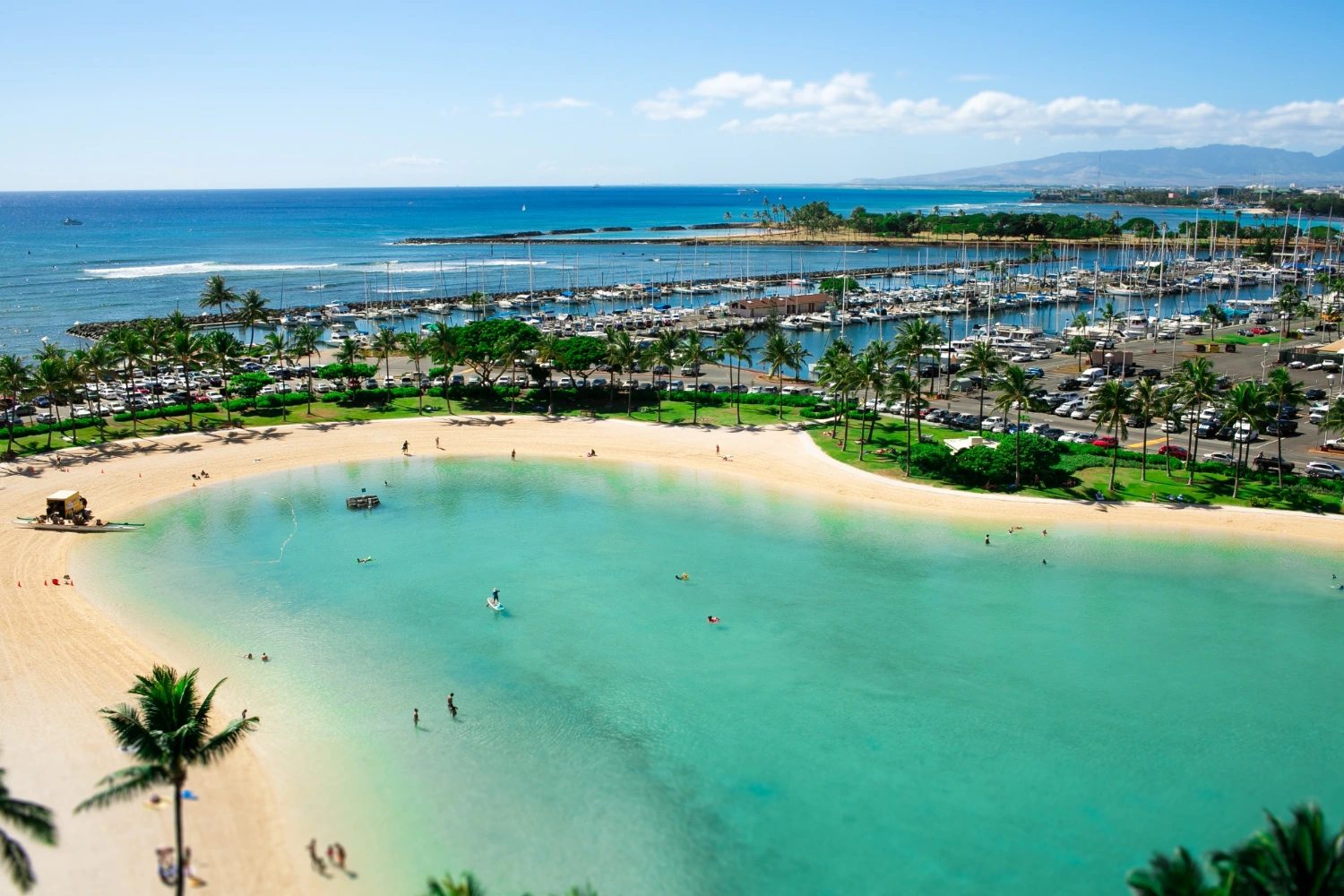
Hawaii has a reputation for being expensive. For many travelers, it sits in that category of “dream trip” destinations, stunning, memorable, but assumed to come with a high price tag.
The truth is simple: Hawaii is not cheap. It is one of the most expensive U.S. destinations. But once you understand where the money goes and why, the pricing makes more sense.
If you are asking how expensive Hawaii really is, this guide breaks down the real costs of flights, hotels, food, transportation, activities, taxes, and environmental preservation fees so you can plan with clarity and realistic expectations.
Why Hawaii Is More Expensive Than Most Destinations
Hawaii is the most geographically isolated populated island chain in the world. Nearly everything must be imported, including food, fuel, construction materials, and everyday goods. Shipping costs alone impact hotel operations, restaurant pricing, and transportation.
Labor costs are also higher than the mainland United States. In addition, Hawaii prioritizes environmental protection, marine conservation, cultural preservation, and land management. These protections are essential to maintaining beaches, reefs, rainforests, and sacred Hawaiian sites.
When you visit Hawaii, part of what you pay supports conservation programs, state parks, reef restoration, and infrastructure that protects the islands for future generations.
Flights to Hawaii
Airfare varies depending on departure city and season.
From the West Coast, round trip flights typically range from $400 to $900.
From the Midwest or East Coast, round trip fares often range from $700 to $1,400.
Holiday periods such as summer, winter break, and spring break push prices higher. Shoulder seasons like late April, May, September, and early October tend to offer better value.
Premium cabin seating significantly increases cost, especially on longer routes from the East Coast.
Hotels and Resorts
Accommodation is usually the largest portion of a Hawaii vacation budget.
- Mid range hotels generally range from $350 to $600 per night.
- Oceanfront resorts often range from $700 to $1,200 per night.
- Suites and private villas frequently exceed $1,500 per night.
On top of the base rate, visitors should expect additional charges. Hawaii hotel taxes include the Transient Accommodations Tax and General Excise Tax, which combined typically total between 14 and 18 percent depending on the island and property. Resort fees commonly range from $35 to $60 per night. Valet or self parking at major resorts can range from $40 to $65 per night. A listed room rate of $900 per night can easily exceed $1,100 per night once taxes and fees are added. Popular resort areas include Wailea on Maui, Ko Olina on Oahu, and the Kohala Coast on the Big Island.
Rental Cars and Transportation
On islands such as Maui, Kauai, and the Big Island, renting a car is strongly recommended. Public transportation is limited outside of Oahu. Rental cars generally cost between $80 and $150 per day, depending on vehicle type and season. During high demand periods, pricing may increase. Gasoline prices in Hawaii are consistently higher than the mainland average. Expect to pay a premium at the pump. On Oahu, visitors staying in Honolulu may rely on rideshare services, but exploring the North Shore or eastern coastline typically requires a vehicle.
Dining Costs in Hawaii
Food pricing reflects shipping costs, local sourcing, and higher operational expenses.
- Casual breakfast or lunch typically ranges from $20 to $35 per person.
- Mid range dinner often ranges from $40 to $75 per person.
- Fine dining experiences frequently exceed $100 to $200 per person.
- Cocktails at resort properties often range from $16 to $22. Wine and specialty spirits may be significantly higher.
Fresh seafood, farm to table ingredients, and oceanfront settings contribute to elevated pricing. Dining in major resort areas such as Wailea or Waikiki will generally cost more than local neighborhood restaurants.

Activities and Experiences
Hawaii offers a wide range of excursions and guided experiences that can add meaningfully to your total budget.
- Snorkeling tours typically range from $120 to $200 per person.
- Helicopter tours range from $300 to $450 per person.
- Private boat charters often begin around $1,500 and increase depending on duration and vessel size.
- Traditional luau experiences generally range from $150 to $250 per person.
State park and attraction entry fees are also common. For example, visiting Hawaiʻi Volcanoes National Park requires a vehicle entrance fee. Snorkeling at Hanauma Bay requires advance reservations and an entry payment that supports reef conservation and marine education programs. These fees are part of Hawaii’s commitment to preserving natural resources while managing visitor impact.
Environmental and Preservation Fees
Hawaii has increasingly implemented measures to protect its fragile ecosystems.
- Reef safe sunscreen regulations prohibit certain harmful chemicals.
- Timed entry reservations at popular parks reduce overcrowding.
- Marine life protection laws strictly prohibit touching sea turtles or coral reefs.
In some areas, visitors pay parking fees or conservation fees that directly fund environmental preservation. These efforts support coral restoration, invasive species control, and infrastructure maintenance in heavily visited regions. While these costs may feel like added expenses, they help protect the very landscapes that make Hawaii special.
Average Total Trip Cost
A realistic estimate for a five to seven day trip per couple may look like this:
- Flights: $1,200 to $2,500 total
- Hotel: $3,500 to $8,000
- Dining: $1,000 to $2,500
- Rental car: $500 to $1,000
- Activities and excursions: $500 to $2,000
- Estimated total range: $6,700 to $16,000 depending on property, experiences, and travel style.
For travelers selecting premium accommodations and curated experiences, totals can rise beyond this range.
Is Hawaii Worth the Cost?
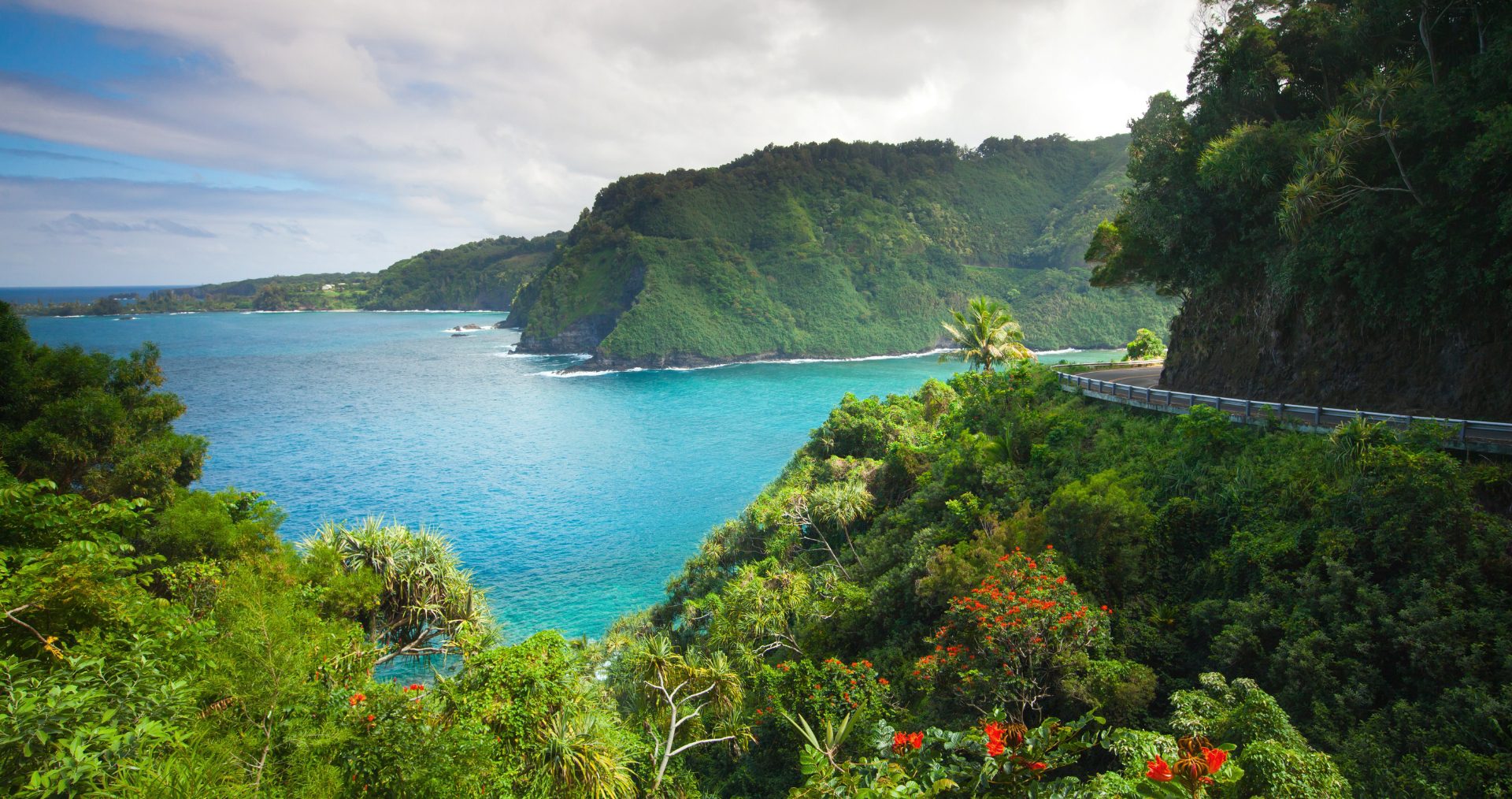
Hawaii is not a budget destination. It requires thoughtful planning and realistic financial expectations. However, what you receive in return is difficult to replicate anywhere else in the United States. Volcanic landscapes, dramatic coastlines, Polynesian culture, world class beaches, and year round warm weather create a rare combination. Watching sunrise over Haleakala. Snorkeling in crystal clear water. Walking across black sand beaches formed by lava. Dining with the Pacific Ocean just steps away. These are experiences that define a Hawaii vacation.
Final Thoughts
How expensive is Hawaii really? It is a premium destination with pricing that reflects its remote location, environmental protections, and high quality hospitality standards. Understanding hotel taxes, resort fees, conservation costs, and activity pricing allows you to plan properly rather than being surprised. Hawaii rewards preparation. When you know what to expect financially, you can focus fully on the reason you came in the first place, the landscapes, the culture, and the feeling of being somewhere truly extraordinary.