There’s a moment many travelers feel when they arrive in Sicily for the first time: a quiet realization that this place doesn’t fit the version they thought they knew.
Sicily isn’t softer or simpler. It’s louder, deeper, older, and more complex. It doesn’t try to impress politely. It simply exists, layered with history, contradictions, and personality. And that’s exactly what makes it unforgettable.
This island doesn’t ask you to rush. It asks you to look closer.
A Landscape That Changes Every Few Miles
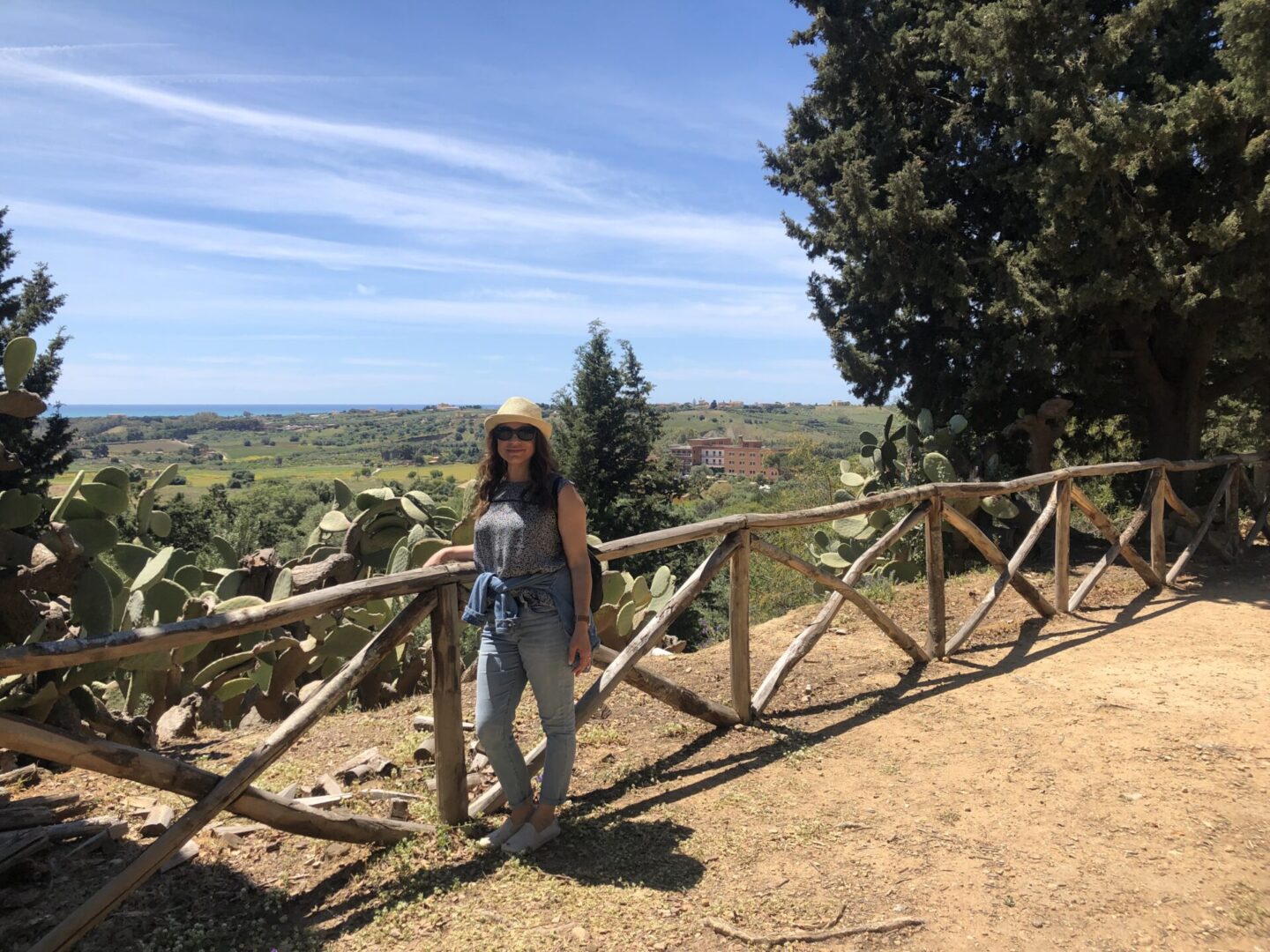
Traveling across Sicily feels like moving through several countries in a single day. Coastal views open into rolling countryside. Ancient ruins rise unexpectedly from farmland. Quiet hill towns overlook valleys shaped by centuries of survival.
In places like Agrigento, the past isn’t tucked into museums—it stands out in the open. The Valley of the Temples is not a side attraction. It’s a reminder that Sicily has always been central, never peripheral. Greek temples dominate the landscape, bathed in sun, surrounded by olive trees and open sky. Seeing these ruins isn’t about checking off a historical site. It’s about understanding how deeply time is woven into everyday Sicilian life.
Sicily Doesn’t Hide Its Contrasts
One of Sicily’s most defining qualities is how comfortably it holds contradictions. You’ll see:
- Ancient temples near modern highways
- Ornate churches beside worn apartment buildings
- Silence in the countryside and noise in the cities
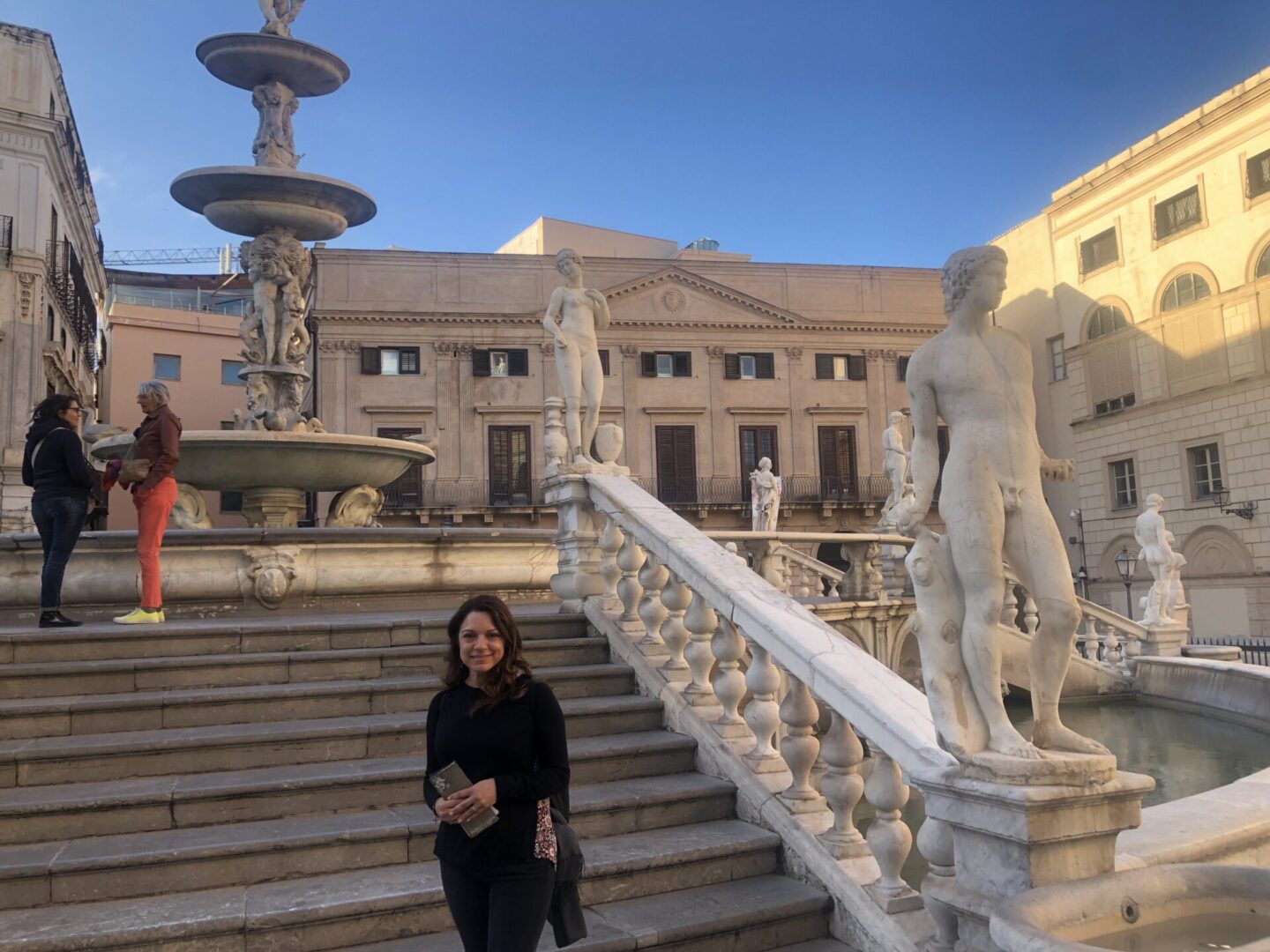
In Palermo, this contrast is impossible to miss. The city is raw and expressive. Markets spill into the streets. Architecture reflects layers of conquest and coexistence Arab, Norman, Spanish, Italian all visible at once. Palermo doesn’t feel curated. It feels lived-in. And for travelers willing to embrace that honesty, it’s deeply rewarding.
The Countryside Tells a Different Story
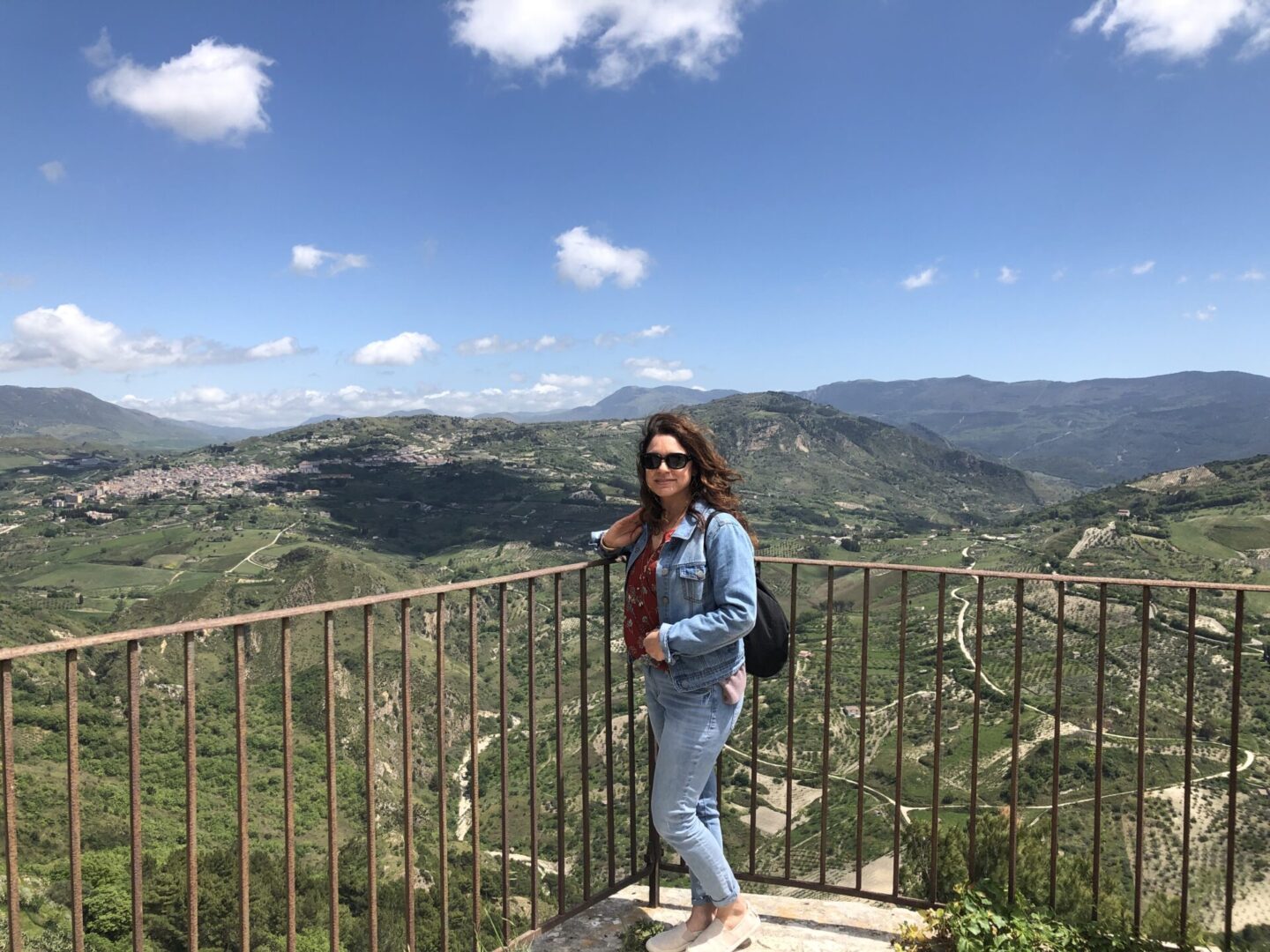
Beyond the cities, western Sicily unfolds slowly. The countryside feels open and expansive, shaped by agriculture, tradition, and time. Roads wind through hills dotted with small towns, vineyards, and stone farmhouses.
This is a quieter Sicily one that doesn’t announce itself. It reveals its beauty through scale and stillness. Views stretch wide. Life feels grounded. Conversations slow down. It’s here that many travelers begin to understand Sicily not as a destination, but as a rhythm.
Art, Craft, and Identity Are Everywhere
Sicily’s identity is inseparable from its craftsmanship. Inside workshops and small collections, hand-painted carts, ceramics, textiles, and symbols tell stories passed down through generations. These are not souvenirs created for visitors; they’re expressions of history, pride, and resilience.
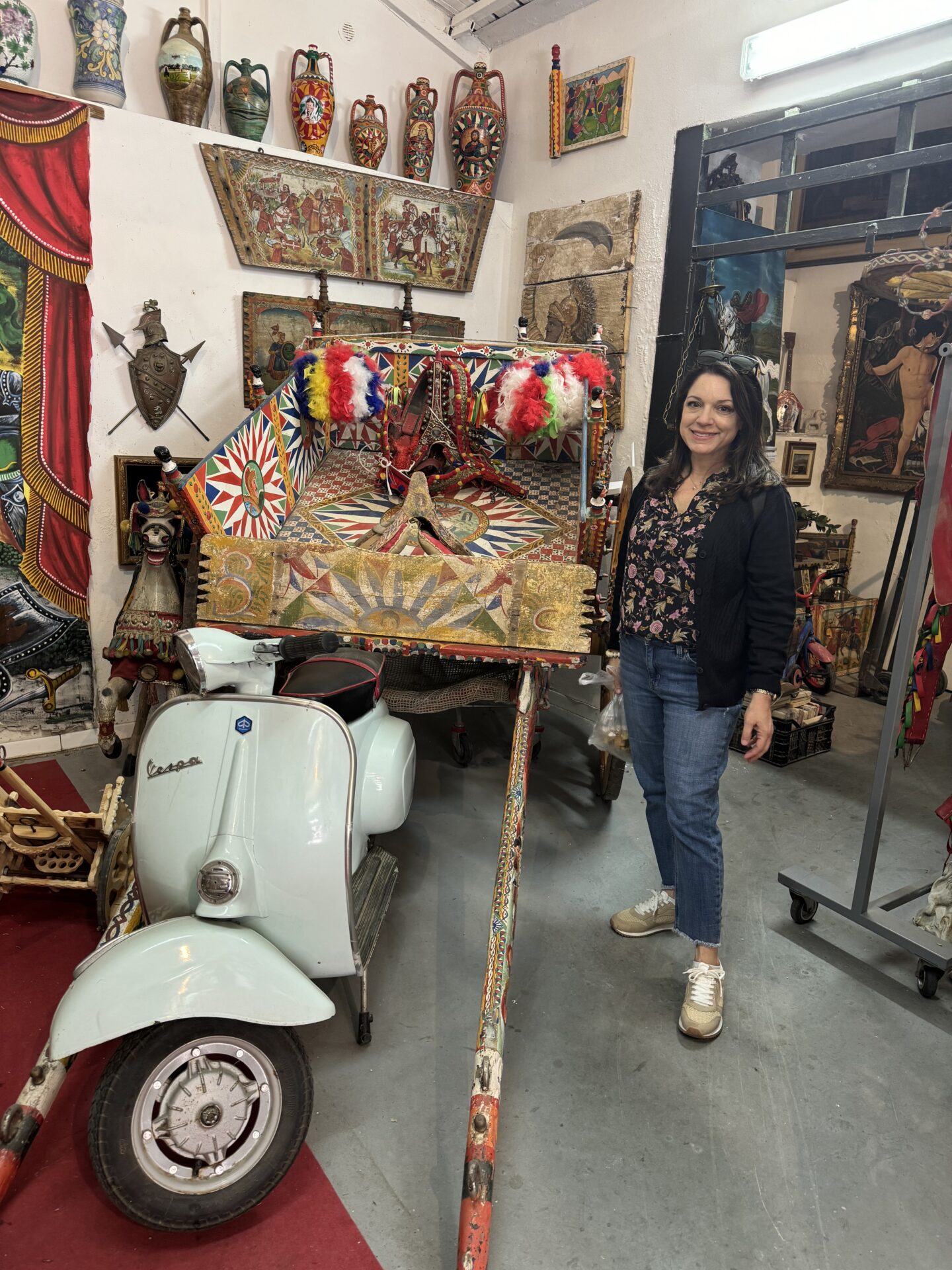
Even something as simple as a vintage scooter parked beside a painted cart speaks volumes. Sicily doesn’t separate art from life. It integrates it—boldly and unapologetically.
Food Is Memory, Not Trend
Sicilian food isn’t designed to follow trends. It’s built on survival, trade, and memory. Ingredients reflect centuries of culture: citrus, pistachios, almonds, seafood, eggplant. Dishes are deeply regional. Recipes are specific to neighborhoods, families, and towns. Meals in Sicily are rarely rushed. They’re social, expressive, and emotional. Food is not just nourishment—it’s identity. For travelers, this means meals become moments. Not something squeezed between activities, but experiences that anchor the day.
Sicily Rewards Curiosity, Not Control
This is not a destination for travelers who need everything to run perfectly on time.
Things may feel unpredictable:
- Shops close unexpectedly
- Schedules shift
- Directions feel fluid
But Sicily isn’t chaotic it’s intuitive. Once you stop trying to control every detail, the island opens up. Conversations happen. Invitations appear. Unexpected views become highlights. Sicily rewards travelers who observe more than they plan.
Why Sicily Feels So Personal
Many people leave Sicily feeling something they didn’t expect: connection.
Not because everything was easy but because it felt real. Sicily doesn’t smooth its edges for visitors. It invites you into its reality. And that honesty creates a lasting impression.
You don’t just remember where you went. You remember how it felt to stand quietly overlooking the countryside. To walk among ruins older than most civilizations. To witness daily life continuing alongside history.
Final Thought: Sicily Isn’t a Side Trip It’s a Statement
Sicily is often described as “different from the rest of Italy.” That’s true but incomplete. Sicily isn’t different because it’s separate. It’s different because it’s foundational. The island reflects the crossroads of cultures that shaped Italy itself. For travelers seeking depth, texture, and authenticity, Sicily offers something rare: an experience that stays with you, long after the journey ends. Not polished. Not predictable. Just unforgettable.