The 2027 FIFA Women’s World Cup runs from June 24 to July 25, 2027, with eight host cities across Brazil: Rio de Janeiro, Brasilia, Belo Horizonte, Fortaleza, Porto Alegre, Sao Paulo, Salvador and Recife. Brazil is enormous, so the smartest plan is to choose one or two bases, fly between them, and match the climate to your comfort. A travel advisor can sequence the matches, flights, lodging and a wider Brazil trip around your tickets.

At a glance
- When: June 24 to July 25, 2027.
- Where: eight Brazilian host cities, spread across a country the size of the continental United States.
- Climate: the matches fall in Brazil’s winter. It is cool in the south, mild in Rio and Sao Paulo, and warm in the northeast.
- The challenge: long distances between cities, so flights matter more than roads.
- Book first: lodging in your base city, then flights, then the extras.
The Basics
The Women’s World Cup is the largest event in women’s football. In 2027 it comes to South America for the first time, and Brazil is hosting it in eight cities that all used stadiums from the 2014 men’s World Cup. The matches are played over about a month, with a group stage, a round of 16, quarter-finals, semi-finals and a final.
It is the last edition with 32 teams before the field grows. The full match schedule, including the opening match and final venue, comes from FIFA, so check the official schedule before you lock in a plan.
The Eight Host Cities at a Glance
Each city offers a different trip, and the right base depends on the matches you want and the travel you enjoy.
| City | Stadium | What the city is like |
|---|---|---|
| Rio de Janeiro | Maracana | Beaches, mountains, Christ the Redeemer and the biggest stadium of the eight |
| Sao Paulo | Arena Corinthians | Brazil’s largest city, with world-class food, museums and nightlife |
| Brasilia | Estadio Nacional Mane Garrincha | A planned capital with striking modern architecture |
| Belo Horizonte | Mineirao | A food-loving city, gateway to the historic towns of Minas Gerais |
| Salvador | Arena Fonte Nova | Afro-Brazilian culture, colonial streets and beaches |
| Recife | Arena Pernambuco | Beaches, reefs and the colorful town of Olinda nearby |
| Fortaleza | Arena Castelao | Warm northeast beaches and dunes |
| Porto Alegre | Estadio Beira-Rio | The cool south, a river city with a strong gaucho culture |
Source for the stadiums: the host-city list published for FIFA’s tournament.
Choosing Your Base
With distances this big, the best plan is rarely to chase every city. Three approaches work well.
- The Rio and Sao Paulo corridor. The two biggest cities are connected by frequent flights and a long highway, and together they offer the most variety of lodging.
- A northeast beach base. Salvador, Recife and Fortaleza are within one-hour or two-hour flights of each other, which makes a beach-and-football trip realistic.
- A single-city trip. Pick the city with your team’s match, stay put and add days of sightseeing. This is the calmest option and often the best for families.
Getting There and Getting Around
Most travelers from the United States fly into Sao Paulo or Rio de Janeiro, the two main international gateways, and connect onward on domestic flights. Plan your internal flights early, because many fans will be moving at once and the best times will go first.
On match days, local transport such as the metro, buses and ride-hailing can be crowded, and some roads close around stadiums. Your advisor can arrange private transfers and tell you which routes work best for each stadium.
Weather in Brazil’s Winter
June and July is the cool, dry season in the south and southeast, so evenings can be chilly in Porto Alegre, Sao Paulo and Belo Horizonte and fairly mild in Rio. The northeast stays warm with some rain, especially along the coast. Pack layers, and keep a rain layer if you head to Salvador or Recife.
Tickets, Hospitality and Entry Rules
Tickets and official hospitality are sold through FIFA, not through us. We plan the trip around the tickets you hold or are seeking, so your lodging and flights are ready when a ticket comes through.
Entry rules for U.S. citizens have changed in recent years, so check the current visa requirements, passport validity and health guidance on the official Brazilian and U.S. government websites, and allow time for any application.
Staying Safe at Big Matches
Match days are joyful and crowded, and petty theft can happen in dense crowds.
- Carry only what you need, and leave passports and extra cards at the hotel.
- Keep phones out of sight in crowds and on public transport.
- Use arranged or official transport after dark.
- Agree a meeting point with your group.
- Read the current U.S. Department of State travel advisory for Brazil before you go.
Build a Bigger Brazil Trip
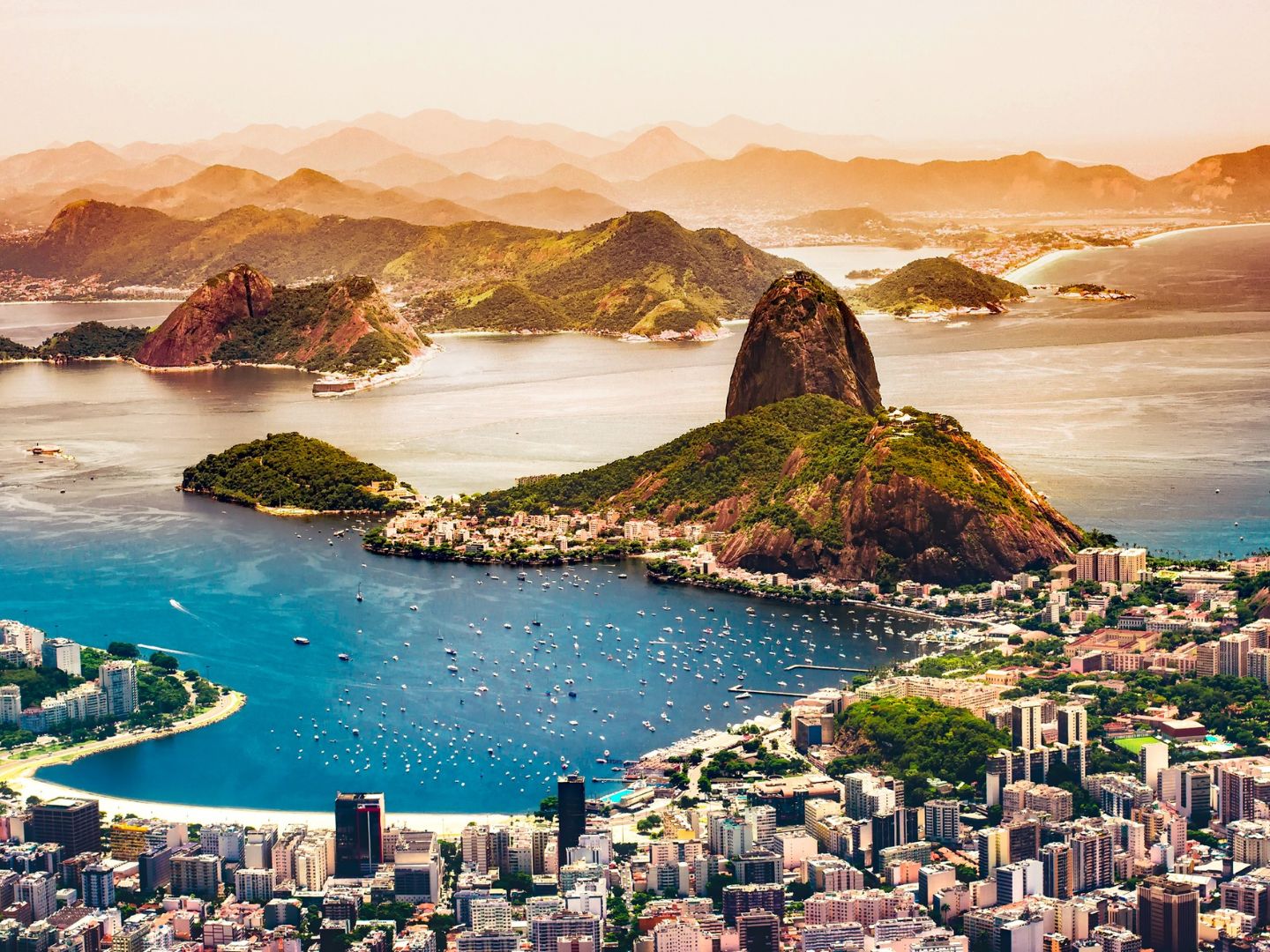
A tournament trip is a good excuse to see more of Brazil.
- Rio and the coast. Christ the Redeemer, Sugarloaf and the beaches of Ipanema and Copacabana.
- Iguazu Falls. One of the world’s great waterfalls, an easy flight from Rio or Sao Paulo.
- Minas Gerais. Baroque mountain towns and good food, close to Belo Horizonte.
- Salvador and Bahia. Music, food and a rich history in the northeast.
- The Amazon or the Pantanal. For wildlife, with a few extra days.
We can build a multi-stop journey that adds a quieter week after the matches.
What to Pack
- Layers, since Brazil’s winter swings between mild days and cool nights.
- A light rain jacket.
- Comfortable shoes for stadium walking.
- A secure cross-body pouch for valuables.
- A portable phone charger and an offline map.
- Your team’s colors, and a flag if you plan to carry one (check the stadium rules).
Questions to Ask Before You Book Lodging
- How far is the property from the stadium and from public transport?
- What are the cancellation terms for tournament dates?
- Is there a safe place to leave valuables?
- Can the hotel help with early breakfast, late arrivals and transport on match days?
A Sample Tournament Trip
This is one way to shape ten to fourteen days. Your advisor will adjust it to your matches.
- Arrival and recovery. Land in Rio or Sao Paulo, settle in and keep the first evening light.
- City days. Spend two or three days seeing the city before your first match, so you are not rushing between the airport and the stadium.
- Match day. Plan a late lunch, leave extra time for transport and arrive early for security and atmosphere.
- Transfer day. Fly to your next base, check in and rest.
- Second match. Repeat the rhythm, with a quiet morning beforehand.
- Extension. Finish with Iguazu Falls, a beach in Bahia or the mountains of Minas Gerais before flying home.
First-Timer Mistakes to Avoid
- Trying to see every host city. The distances are too long. Choose a base or two.
- Booking flights before your tickets are confirmed. Keep flexible terms where you can.
- Underestimating the climate. Southern Brazil can be cold in June and July.
- Booking lodging far from transport. Match-day roads close and ride-hailing slows down.
- Carrying too much. Leave valuables behind and keep one card and a little cash.
- Skipping the entry rules. Check them early.
Fans, Families and Groups
A tournament trip works for many kinds of travelers. Solo fans often enjoy a central hotel near transport, where it is easy to meet others. Families do best with a single base, shorter days and a rest morning after each match. Friends traveling together can share a larger apartment or a block of rooms, and a lead traveler can keep the plan organized. Your advisor can tailor lodging, transfers and pacing to your group, including accessibility needs.
When to Book
Book as early as you can.
- Decide your base cities once the schedule is confirmed.
- Reserve lodging in your base city.
- Book flights, including internal flights between cities.
- Arrange transfers, guides and extras.
- Sort entry documents and insurance.
Meet Your Travel Advisors
Every Travel Byrds trip is planned by a full-time advisor. Get to know the team on our Meet the Experts page.
Kimberly Gardner – Travel Specialist
Kimberly plans family travel, adventure trips and custom vacations, and she loves active, outdoor experiences. View profile.
Mikaila Domingo – Travel Advisor
Mikaila plans Europe and Japan trips, honeymoons, family vacations and adventure getaways. Born in Japan, raised in Hawaii and educated in Ireland, she brings first-hand knowledge of far-flung destinations. View profile.
Christina Conti – Travel Specialist
Christina designs highly curated, art- and history-rich journeys across the United Kingdom, Malta, Europe, South Africa and Asia, including multi-stop itineraries. View profile.
How Does Planning This Trip With The Travel Byrds Work?
- Share your plan. Tell us who is traveling, your ticket status and how you like to travel.
- Review a tailor-made proposal. We compare the options for lodging, flights and logistics, with honest notes on the trade-offs.
- Travel with an advocate. We confirm every detail and stay on call while you are away.
Why Travelers Choose The Travel Byrds
A dedicated advisor, not a call center. One person who learns how you like to travel and stays with you from the first call to your flight home.
Honest advice about the trade-offs. We tell you about crowds, timing and limits before you book, not after.
Logistics handled. Flights, lodging, transfers and guides are coordinated in one plan.
Rated 5.0 across 600+ Google reviews. Our clients say the same thing about the way we care for them.
Licensed and accredited. The Travel Byrds is a member of the American Society of Travel Advisors (ASTA) and is licensed to sell travel in all fifty states.
Frequently Asked Questions
When is the 2027 Women’s World Cup?
From June 24 to July 25, 2027. Confirm the match schedule on FIFA’s official site.
Where is the 2027 Women’s World Cup?
In Brazil, with eight host cities: Rio de Janeiro, Sao Paulo, Brasilia, Belo Horizonte, Salvador, Recife, Fortaleza and Porto Alegre.
Does The Travel Byrds sell World Cup tickets?
No. Tickets and official hospitality are sold through FIFA. We plan your lodging, flights and trip around the tickets you hold.
Which city is best to stay in?
It depends on the matches you want. Rio and Sao Paulo offer the most variety, the northeast cities suit a beach trip, and a single-city plan is the easiest.
How hard is it to travel between host cities?
Brazil is very large, so most travel between cities is by air. Book internal flights early.
What is the weather like in June and July?
Brazil’s winter is cool and dry in the south and southeast and warm in the northeast. Pack layers.
Do I need a visa for Brazil?
Entry rules for U.S. citizens have changed recently. Check current requirements on the official Brazilian government site and allow time to apply.
Can I combine the tournament with a bigger Brazil trip?
Yes. Popular add-ons include Iguazu Falls, Minas Gerais, Bahia and the Amazon.
Is a travel agent worth it for a tournament trip?
Yes, when the distances are long and lodging is tight. An advisor sequences flights and stays, builds in flexibility and is reachable if plans change.
Ready to Plan Your Trip?
Tell us where you want to go and how you like to travel, and a Travel Byrds advisor will design the trip, book it and stay with you from the first idea to your flight home. Your consultation is free.