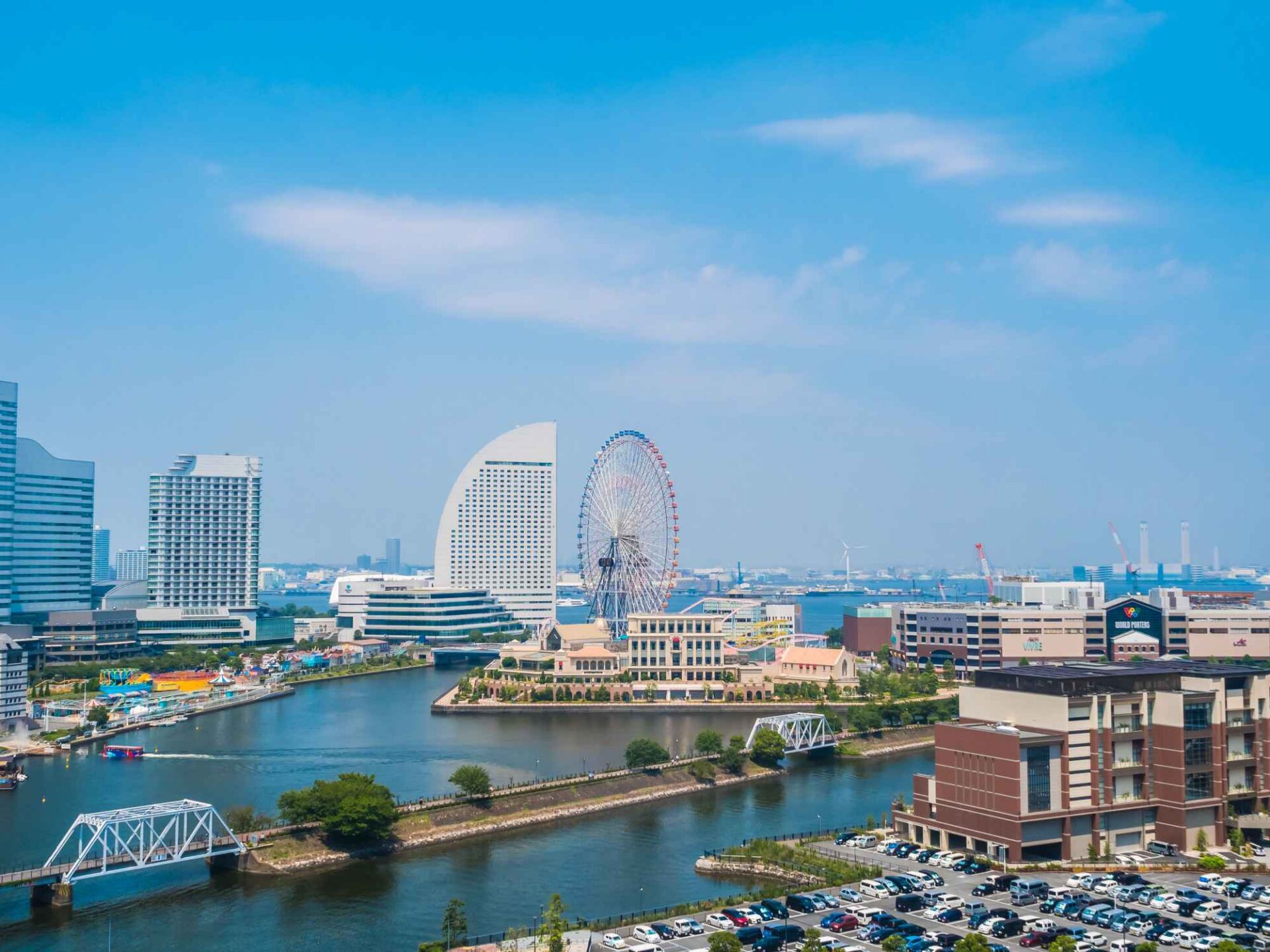
Short answer: The Men’s Rugby World Cup 2027 runs from October 1 to November 13, 2027, across seven Australian cities and eight stadiums. Australia plays Hong Kong China in the opening match in Perth, and the final is played at Stadium Australia in Sydney on Saturday, November 13. There are 24 teams and 52 matches, including the first-ever round of 16. Because Australia is enormous, most fans pick one or two base cities and follow a team or a stage of the tournament, rather than trying to see every city.
At a glance
- When: October 1 to November 13, 2027.
- Opening match: October 1, Perth, with Australia against Hong Kong China.
- Final: Saturday, November 13, Stadium Australia, Sydney.
- Format: 24 teams, 52 matches, 19 match days, 7 cities and 8 stadiums.
- Season: Australian spring, with mild to warm weather.
- Biggest planning issue: distance. Perth to Sydney is a multi-hour flight.
What the Rugby World Cup Is
The Rugby World Cup is the sport’s biggest tournament. National teams play a pool stage and then knockout rounds, and the winner lifts the Webb Ellis Cup. The 2027 edition is the eleventh Men’s Rugby World Cup, and it is the biggest one yet, with 24 teams instead of 20.
Australia has hosted before. It co-hosted the very first tournament with New Zealand in 1987 and hosted alone in 2003. In 2027, the tournament returns with eight stadiums across seven cities. Five of the stadiums were also used in 2003, including Adelaide Oval and the stadium in Brisbane.
Key Dates and the Shape of the Tournament
| Stage | When | Where |
|---|---|---|
| Opening match | October 1, 2027 | Perth Stadium, with Australia against Hong Kong China |
| Pool stage | From October 1 into mid-October | Seven host cities |
| Round of 16 | Mid to late October | Brisbane, Melbourne, Perth and Sydney |
| Quarter-finals | October 30 and 31 | Brisbane and Stadium Australia in Sydney |
| Semi-finals and bronze final | Early November | Sydney |
| Final | Saturday, November 13, 2027 | Stadium Australia, Sydney |
The round of 16 is new for 2027, because the bigger field needed an extra knockout round. Check the official match schedule for exact kick-off times, which are set by the organisers.
The Seven Host Cities and Eight Stadiums
| City | Stadium and role | What the city is like |
|---|---|---|
| Perth | Perth Stadium, about 60,000 seats, hosts the opening match | Beaches, the Swan River and Kings Park, on the opposite side of the country |
| Sydney | Stadium Australia (about 82,000 seats) and Sydney Football Stadium. Hosts the final, semi-finals and bronze final | The harbour, the Opera House and the largest choice of hotels and restaurants |
| Melbourne | Hosts pool matches and a round of 16 match | Laneways, coffee, sport and the arts |
| Brisbane | Hosts pool matches, a round of 16 match and a quarter-final | A sunny river city and the gateway to the Gold Coast and the reef |
| Adelaide | Adelaide Oval hosts pool matches | Food, wine and the Barossa Valley close by |
| Newcastle | Newcastle Stadium hosts its first Rugby World Cup matches | Surf beaches and an easy trip from Sydney |
| Townsville | Hosts pool matches | Tropical north Queensland, near Magnetic Island and the Great Barrier Reef |
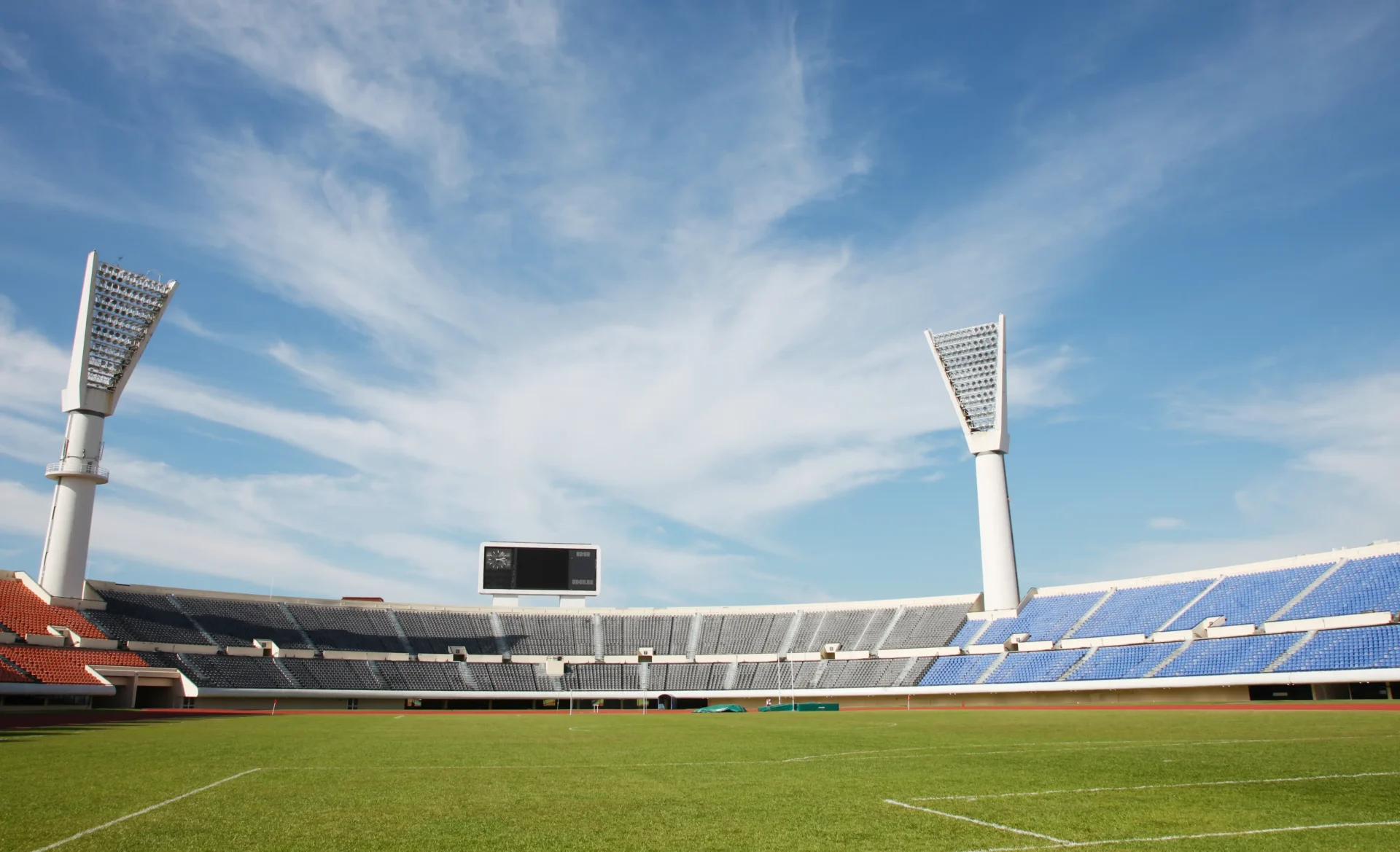
Sydney is the only city with two tournament stadiums. Stadium Australia will join a short list of stadiums that have hosted two Men’s Rugby World Cup finals. The Sydney Football Stadium reopened in 2022 after a full rebuild and sits close to the city centre.
How Fans Usually Build a Rugby World Cup Trip
Because the venues are so far apart, three styles of trip work well.
- Follow your team. Pick a team and attend its pool matches. This often means two or three cities and a few domestic flights. For example, Ireland opens against Portugal in Sydney on October 4 and also plays in Perth and Melbourne.
- Choose one base. Stay in Sydney and see the matches there, including the knockout stage and the final. This is the simplest trip, and Newcastle is a short trip away.
- Do the knockout rounds. Choose the quarter-finals in Brisbane or Sydney and the semi-finals and final in Sydney, so you stay mostly on the east coast.
If you are not following one team, the east coast is the easiest region, because Sydney, Newcastle and Brisbane are linked by frequent flights and a shorter hop between them.
Tickets: How They Work
Tickets are sold by the tournament organisers through the official ticketing platform. The first sales phases opened in 2026, and the organisers describe the remaining general sales as first-come, first-served. Official hospitality and travel experiences are sold through the tournament’s official premium provider. The safest approach is to buy only through the official channels, and to check the official site for the current sales phase before you plan.
- Buy from the official source. Tickets bought elsewhere may not be valid.
- Check seat categories and the stadium. The same match can have very different views and prices by category.
- Keep your plans flexible until you hold tickets, and choose changeable flights and lodging.
- Remember the schedule can change. Kick-off times are set by organisers.
Getting to Australia and Around
Most travelers from the United States fly into Sydney, Melbourne or Brisbane, and the flight is long. Plan one full day to recover before your first match, especially if you want to enjoy the atmosphere. Domestic flights connect every host city, and Australian airlines run frequent services between the big cities. Trains, buses, ferries and trams get you around the main cities.
On match days, public transport is usually the easiest route to the stadiums, and special services often run. Allow extra time for security and crowds. Rideshares and taxis are available but get busy right after the final whistle.
Entry Requirements
Most U.S. travelers need an Electronic Travel Authority or a visa to enter Australia. Requirements and processing times change, so check the Australian Department of Home Affairs website early, and make sure your passport is valid for the whole trip.
Where to Stay
Match-day crowds put pressure on lodging in every host city, so reserve early and choose flexible terms. Think about transport first, and the view second.
- Sydney. Circular Quay and the harbour suit first-timers, Surry Hills is lively and close to the Sydney Football Stadium, and Bondi has the beach. Stadium Australia is in Sydney Olympic Park, a train ride from the city.
- Melbourne. The central business district and nearby laneways are convenient for trams and trains.
- Brisbane. South Bank and the city centre sit near the river, with good transport.
- Perth. The city centre and the Swan River foreshore work well, and the stadium is reached by train and bus.
- Adelaide and Newcastle. Both are compact and walkable, so staying in the centre is easy.
Questions worth asking before you book: how far is the property from the stadium or a train station, what are the cancellation terms for tournament dates, and can the property store luggage on a match day?
Weather and What to Pack
October and November are spring. Expect mild days in the south, warmer weather in Brisbane and Perth, and tropical heat in Townsville. Evenings can be cool and showers are possible. Pack layers, a rain jacket, sunscreen, a hat and comfortable shoes for long stadium walks.
What to Do Beyond the Matches
- Sydney. A harbour ferry to Manly, the Opera House and the coastal walk from Bondi to Coogee.
- Melbourne. Street art, laneway coffee and a day trip to the Great Ocean Road.
- Brisbane and the Gold Coast. Lone Pine Koala Sanctuary, river walks and surf beaches.
- Perth. Rottnest Island and its famous quokkas, and Margaret River wine country.
- Adelaide. The Barossa Valley and McLaren Vale.
- Townsville. Magnetic Island and access to the Great Barrier Reef.
A Sample 10-Day East Coast Trip
Days 1 and 2: Sydney. Recover from the flight and explore the harbour.
Day 3: Match in Sydney. Allow time for transport, security and the atmosphere.
Day 4: Rest day. A ferry to Manly or a coastal walk.
Day 5: Fly to Brisbane. Settle in and explore South Bank.
Day 6: Match in Brisbane. Choose a pool, round of 16 or quarter-final match.
Days 7 and 8: Gold Coast or the reef. Beaches or a boat trip.
Day 9: Return to Sydney. Prepare for the semi-final or the final.
Day 10: Final weekend. Celebrate the tournament in Sydney.
First-Timer Mistakes to Avoid
- Underestimating distances. Perth to Sydney is a long flight.
- Skipping recovery time. The flight from the United States is very long.
- Booking before tickets are confirmed. Keep flexible terms.
- Trying to see every city. One or two bases is plenty.
- Forgetting entry authorisation. Apply in good time.
- Leaving no time for extras. The reef, the outback and the wine regions are close enough to add.
Time Zones and Practical Notes
- Time zones. Australia spans three main time zones, and daylight saving begins in early October in some states, so check local kick-off times.
- Money. Cards and contactless payments are accepted almost everywhere. Tipping is not expected as it is in the United States.
- Driving. Traffic drives on the left. Most visitors use trains, rideshares and domestic flights rather than driving between cities.
- Sun and water safety. The sun is strong even in spring. Swim between the flags at patrolled beaches.
Fans With Families, Groups or Accessibility Needs
Families often do best with a single base and day trips, choosing matches with easy rail access. Groups can share an apartment or book a block of rooms, with one lead traveler organizing the plan. Australian stadiums provide accessible seating and facilities, and the organisers publish accessibility information, so contact them early for specific needs.
Match Day: What to Expect
Match days in Australia are social events. Fans gather early, pubs and fan zones fill up and the walk to the stadium is part of the fun.
- Arrive early. Gates open well before kick-off, and security checks take time.
- Use public transport. Special services usually run, and driving to a stadium is rarely the easiest choice.
- Read the bag rules. Stadiums limit what you can bring, so check the official list.
- Wear your colors. Opposing fans mix easily and the mood is friendly.
- Plan the end of the night. Trains and rideshares are busiest after the final whistle, so wait a little or walk to a quieter pick-up spot.
- Stay hydrated and use sun protection at afternoon matches.
Food, Drink and Rugby Culture
Australia is a great place to be a sports fan. Meat pies, sausage rolls and flat whites are classics, and every city has its own pub and brewery culture. Seafood is excellent on the coast, and Australian wine, from the Barossa to Margaret River, is world class. Rugby union has strong followings in Sydney and Brisbane, while Melbourne and Adelaide are better known for other football codes, so you will meet a mix of rugby diehards and curious locals.
A Planning Timeline
| When | What to do |
|---|---|
| Now to early 2027 | Confirm your tickets through official channels and choose your team or stage of the tournament |
| Six to nine months out | Reserve lodging in your base cities with flexible terms, and book flights, including any domestic legs |
| Three months out | Apply for your entry authorisation and arrange travel insurance |
| One month out | Plan transport to each stadium and confirm kick-off times |
| The week before | Check weather, pack layers and save tickets offline on your phone |
Why Combine the Tournament With a Longer Trip
Few people fly to Australia for a single week. A tournament that runs for six weeks makes it easy to stretch the trip. October and November are among the best months in much of the country: spring flowers, mild temperatures and fewer crowds at the major sights than in the summer holidays. Many fans plan a week of matches and a week of exploring, whether that means diving on the Great Barrier Reef, hiking in Tasmania or visiting New Zealand, which is a short flight away.
Frequently Asked Questions
When is the Rugby World Cup 2027?
The Men’s Rugby World Cup 2027 runs from October 1 to November 13, 2027, in Australia.
Where is the Rugby World Cup 2027 final?
The final is played at Stadium Australia in Sydney on Saturday, November 13, 2027.
Where is the opening match?
The opening match is on October 1, 2027, at Perth Stadium, where Australia plays Hong Kong China.
Which cities host Rugby World Cup 2027 matches?
Sydney, Melbourne, Brisbane, Perth, Adelaide, Newcastle and Townsville host matches across eight stadiums.
How many teams and matches are there?
There are 24 teams and 52 matches over 19 match days.
What is new about the 2027 format?
The tournament has 24 teams instead of 20, and it adds a round of 16 before the quarter-finals.
Where are the knockout matches played?
The round of 16 is in Brisbane, Melbourne, Perth and Sydney. The quarter-finals are in Brisbane and Sydney, and the semi-finals, bronze final and final are in Sydney.
How do I buy tickets?
Buy through the official ticketing platform and the official hospitality provider. Check the official site for the current sales phase.
Do I need a visa to go to Australia?
Most U.S. travelers need an Electronic Travel Authority or a visa. Check the Australian government website early.
What is the weather like during the tournament?
It is spring, with mild days in the south, warmer weather in Brisbane and Perth and tropical heat in Townsville.
Which city is the best base?
Sydney is the easiest base for most fans, because it hosts the final and has the most lodging and flights.
Can I see more than one match in a trip?
Yes. The east coast cities of Sydney, Newcastle and Brisbane are the easiest to combine, using short domestic flights.
How far in advance should I book lodging?
As soon as you know your match dates. Match-day demand is high, so choose flexible cancellation terms.
Should I add a wider Australia trip?
Many fans do. The Great Barrier Reef, Uluru, Tasmania and the wine regions all fit around the tournament.
Want Help Planning Your Rugby World Cup Trip?
If you would rather not juggle domestic flights, lodging near the stadiums and a wider Australia trip yourself, a travel advisor can plan it for you. The Travel Byrds advisors build trips around the tickets you hold, handle the flights and lodging and stay reachable until you are home.
Schedule a Free Consultation →
The Travel Byrds is a fully licensed travel agency authorized to sell travel in all 50 states. Advisors are paid commission by certain suppliers.