Short answer: The 20th International Architecture Exhibition of La Biennale di Venezia runs from May 8 to November 21, 2027, with a pre-opening on May 6 and 7. It is curated by the architects Wang Shu and Lu Wenyu under the title Do Architecture: For the Possibility of Coexistence Facing a Real Reality. The main venues are the Giardini and the Arsenale, open 10 am to 6 pm and closed on Mondays, with national exhibitions in pavilions and in palaces across Venice. Because it runs for more than six months, you can pick a quiet time, and late spring and early autumn are usually the most comfortable.
At a glance
- When: May 8 to November 21, 2027, with a pre-opening on May 6 and 7.
- Where: the Giardini, the Arsenale and venues across historic Venice.
- Curators: Wang Shu and Lu Wenyu, of Amateur Architecture Studio.
- Title: Do Architecture: For the Possibility of Coexistence Facing a Real Reality.
- Hours: 10 am to 6 pm, closed on Mondays.
- Time needed: two days for the main venues, more if you add national exhibitions around the city.
What the Venice Architecture Biennale Is
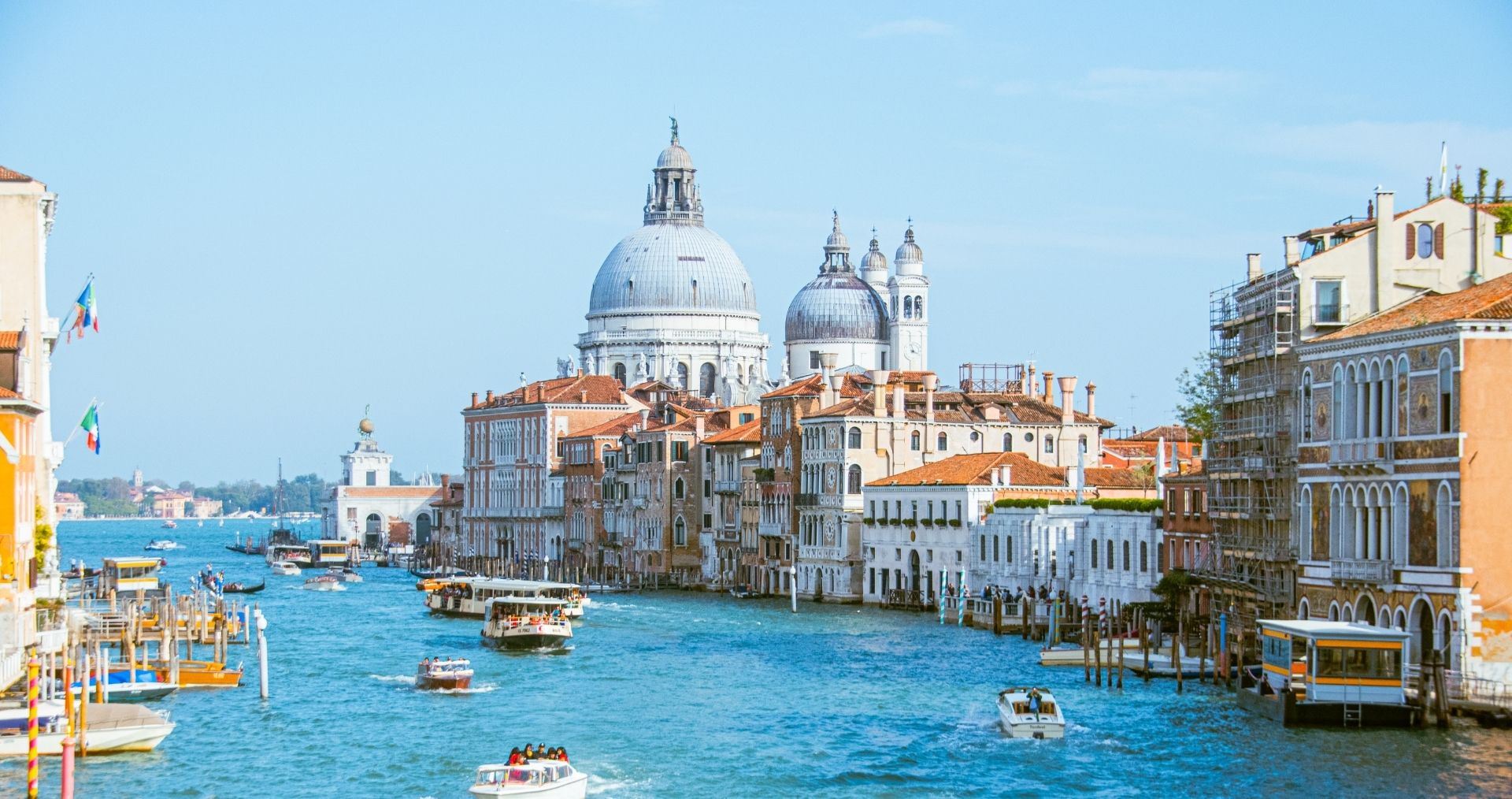
The Architecture Biennale is one of the world’s most important gatherings for architects, designers and anyone curious about how we build and live. It takes place every two years, alternating with the Venice Art Biennale. The 2027 edition is the 20th International Architecture Exhibition. Dozens of countries present their own exhibitions in national pavilions, and the curators add a central exhibition with commissioned projects, research and installations.
You do not need to be an architect to enjoy it. The exhibitions are visual, often interactive and set inside some of the most atmospheric buildings in Venice. For many visitors, the setting is half the experience.
The 2027 Theme and Curators
The curators are Wang Shu and Lu Wenyu, who founded Amateur Architecture Studio in Hangzhou in 1997. Wang Shu won the Pritzker Architecture Prize in 2012, and the pair are known for buildings that reuse traditional materials and local craft, such as the Ningbo History Museum and the Xiangshan Campus. They have shown work at the Biennale before, in 2006, 2010 and 2016.
Their title is Do Architecture: For the Possibility of Coexistence Facing a Real Reality. In everyday terms, the idea is that architecture should help nature and technology, tradition and innovation and old and new live together, and that it should be grounded in real places and real building knowledge. Expect an emphasis on craft, repair, local materials and hands-on making, in contrast to the more digital themes of recent years.
The Main Venues
| Venue | What it is | Good to know |
|---|---|---|
| The Giardini | A park in the east of Venice with permanent national pavilions, plus the Central Pavilion | The classic Biennale setting. Allow a long morning or a full day |
| The Arsenale | A vast former shipyard and rope works with long brick halls | Atmospheric and large. The central exhibition usually spreads through it |
| National participations in the city | Exhibitions in palazzi, churches and other buildings across Venice | Great for exploring neighborhoods. Check the official list for addresses |
| Collateral events | Exhibitions by other organisations during the run | Often free or low-key. Look for them as you walk |
The Giardini and the Arsenale are about a short walk from each other along the Castello waterfront, so many visitors plan one day for each, or one very long day for both.
Tickets and Opening Hours
The venues are open from 10 am to 6 pm and closed on Mondays. Tickets are sold by La Biennale di Venezia, and the official site said tickets would be available soon. Check the official ticket page for the current types and for any combined options. Buy only from the official site or authorised sellers, and check whether any advance booking is needed for your dates.
The Pre-Opening and the Early Weeks
The pre-opening on May 6 and 7 is mostly for professionals and invited guests, and the Biennale opens to the public on May 8. The first weeks are lively, with parties, talks and the energy of the opening, and they are also the busiest. If you want quiet corridors and room to think, aim for a weekday in June, September or October. If you want the buzz, aim for the opening weeks.
When to Go: A Month-by-Month Guide
| Month | What to expect |
|---|---|
| May | Pleasant weather and the opening buzz, with larger crowds |
| June | Warm days, long light and a lively city |
| July and August | Hot, humid and crowded with day-trippers. Go early in the morning |
| September | Warm, golden light and fewer crowds. The Venice Film Festival usually runs in late summer |
| October | Mild and atmospheric, often the best balance of weather and quiet |
| November | Cooler, with a chance of high water and fog. Fewer visitors and a mood all its own, with the exhibition closing on November 21 |
Getting to Venice and Around
Most U.S. visitors fly into Venice Marco Polo Airport, or arrive by train at Venezia Santa Lucia station from Milan, Florence, Rome and Verona. Venice has no cars, so you walk or use water buses called vaporetti. The Giardini and Arsenale each have their own vaporetto stops.
- Water buses. The easiest way along the Grand Canal and out to the Giardini and the Lido.
- Water taxis. Convenient with luggage, but a premium choice.
- On foot. Venice is compact, but bridges, steps and crowds slow you down, so wear comfortable shoes.
- Luggage. Pack light. Carrying bags over bridges is tiring.
Where to Stay
- Castello. The neighborhood closest to the Giardini and Arsenale, quieter and more local.
- Dorsoduro. Art museums, the Zattere promenade and a student-friendly feel.
- San Marco. Central and grand, but busier and more expensive.
- Cannaregio. Local restaurants, the old Jewish Ghetto and a calmer pace.
- San Polo and Santa Croce. Close to the Rialto Market and train station.
- The Lido. A beach island with a short vaporetto ride, good for quiet and space.
- Mestre. On the mainland, a practical option with train access to Venice.
Rooms are limited in Venice and many properties are small, so reserve early for your dates. Ask whether the property is easy to reach from the vaporetto and whether there are stairs, which matters if you have mobility needs.
What to See and Do Around the Biennale
- St. Mark’s Basilica and the Doge’s Palace. The grand landmarks of Venice.
- The Peggy Guggenheim Collection. A modern art museum on the Grand Canal.
- The Accademia Gallery. Venetian painting from the Renaissance.
- Murano, Burano and Torcello. Island day trips for glass, lace and quiet.
- Palladio’s churches. San Giorgio Maggiore and Il Redentore show a master of Renaissance architecture.
- Carlo Scarpa’s work. Look for the Querini Stampalia and the Olivetti showroom.
- Cicchetti and spritz. Small bites and a drink at a bacaro, the Venetian way to eat.
A Sample 5-Day Visit
- Day 1: Arrive and wander. Walk the quiet streets of Castello and have an early dinner.
- Day 2: The Giardini. Spend the morning in the national pavilions and the afternoon in the Central Pavilion.
- Day 3: The Arsenale. Explore the long halls and the central exhibition.
- Day 4: Islands. A boat to Murano, Burano and Torcello.
- Day 5: Museums and a last stroll. The Accademia or the Guggenheim, then a final spritz.
Beyond Venice
- Padua. Giotto’s frescoes in the Scrovegni Chapel.
- Verona. Roman arena, opera and a romantic old town.
- The Prosecco hills. Wine villages and walking routes north of Venice.
- The Dolomites. A day or more of mountains.
- Vicenza. Palladian villas and palaces.
- Milan, Florence or Bologna. Easy to add by train for a longer Italy trip.
Practical Notes
- Entry. U.S. citizens do not need a visa for short stays, but check current European entry rules, including any travel authorisation, before you book.
- Day-visitor fee. Venice has tested an entry fee for day visitors on selected days. Check whether it applies on your dates.
- High water. Autumn and winter can bring acqua alta. Check forecasts and pack waterproof shoes in the colder months.
- Dress code. Cover shoulders and knees in churches.
- Crowds. Go early in the morning, or late in the afternoon.
- Money. Cards are widely accepted, but carry a little cash for small bars.
First-Timer Mistakes to Avoid
- Trying to see everything in one day. The Giardini and Arsenale each deserve a half day or more.
- Forgetting that Monday is closed. Plan other things for Mondays.
- Packing heavy bags. Venice has many bridges and no cars.
- Booking late. Good lodging goes quickly.
- Skipping the city exhibitions. Some of the best surprises are in small palaces and churches.
Combining the Biennale With Other Italy Events
Venice also hosts one of Europe’s great winter celebrations. If you want to see the city in a different mood, read our guide to Venice Carnival 2027, and see our 2027 and 2028 events calendar for other events worth traveling for.
How to Enjoy an Architecture Biennale if You Are Not an Expert
The biggest worry first-time visitors have is not understanding what they are looking at. A few habits help.
- Start with the big idea. Read the curators’ statement at the entrance, then look for how each room answers it.
- Look at the materials. This year’s theme points to craft, local materials and building methods, so notice wood, brick, earth and stone.
- Follow what grabs you. You do not need to read every label. Stop where something draws you in.
- Take a break. Both main venues have places to sit, and a coffee stop makes the day easier.
- Use the national pavilions as small stories. Each country picks one question and answers it its own way, so they are often more approachable than the central exhibition.
- Look at the buildings too. The Giardini pavilions are architectural landmarks by well-known architects, and the Arsenale itself is a masterpiece of industrial building.
Eating Well in Venice
Venice has a reputation for tourist traps, but good food is easy to find if you know where to look.
- Bacari. Small bars that serve cicchetti, bite-size snacks, with a glass of wine.
- Seafood. Sardines in saor, spider crab, cuttlefish ink pasta and fried lagoon fish.
- Risi e bisi. A classic Venetian dish of rice and peas.
- Tiramisu and fritelle. Desserts with local roots.
- Walk away from the main squares. Menus without photos and with a short list are usually a good sign.
- Book dinner in advance for popular spots, especially on weekends.
Accessibility and Comfort
Venice is a historic city with many bridges and steps, so it can be challenging for wheelchair users and for anyone with limited mobility. The main Biennale venues have accessibility provisions, and the organisers publish information, but you should check ahead. Look for hotels near vaporetto stops with step-free access, and consider water taxis for door-to-door transfers. Plan rest stops, bring comfortable shoes and allow more time than you think you need.
Photography and Etiquette
Photography is welcome in many exhibition spaces, but some works have restrictions, so look for signs. Be mindful of other visitors, avoid blocking narrow halls and never touch installations unless you are invited to. In churches and museums, dress modestly and keep your voice low.
Why 2027 Is a Special Year to Go
Every Architecture Biennale reflects its moment, and this one comes at a time when the building world is debating climate, craft and the cost of construction. By inviting a pair of architects known for rebuilding with salvaged materials and traditional methods, the Biennale is making a clear statement about where the field might go. Whether you agree or not, it is a rare chance to see how the world’s architects are thinking, all in one beautiful city.
Frequently Asked Questions
When is the Venice Architecture Biennale 2027?
It runs from May 8 to November 21, 2027, with a pre-opening on May 6 and 7.
Who is curating the 2027 Biennale?
The curators are Wang Shu and Lu Wenyu of Amateur Architecture Studio. Wang Shu won the Pritzker Prize in 2012.
What is the title of the 2027 Architecture Biennale?
The title is Do Architecture: For the Possibility of Coexistence Facing a Real Reality.
Where is it held?
At the Giardini and the Arsenale, plus venues across historic Venice.
What are the opening hours?
10 am to 6 pm, and the venues are closed on Mondays.
How many days do I need?
Two days for the Giardini and the Arsenale, and more if you want to see national exhibitions across the city.
When is the best time to visit?
Late spring and early autumn are usually the most comfortable. June, September and October balance weather and crowds.
How do I buy tickets?
Through La Biennale di Venezia’s official ticket page. Check the site for current ticket types.
Is the Architecture Biennale only for architects?
No. The exhibitions are visual and set in beautiful buildings, so they suit anyone curious about design.
Where should I stay?
Castello is closest to the main venues. Dorsoduro and Cannaregio are quieter and local.
How do I get to the Giardini and Arsenale?
Take a vaporetto to the Giardini or Arsenale stop, or walk along the Castello waterfront.
What is the difference between the Art and Architecture Biennales?
They alternate every year. The Art Biennale is held in even years and the Architecture Biennale in odd years.
Is Venice busy during the Biennale?
Yes, especially in May and in July and August. Go early in the day and consider September or October.
Can I add other cities in Italy?
Yes. Padua, Verona, Florence, Bologna and Milan are all easy to reach by train.
Want Help Planning Your Venice Trip?
If you would like someone to handle the flights, a well-located hotel in Venice and an extension to the rest of Italy, a travel advisor can plan it for you. The Travel Byrds advisors build Italy trips around your dates, book the details and stay reachable until you are home.
Schedule a Free Consultation →
The Travel Byrds is a fully licensed travel agency authorized to sell travel in all 50 states. Advisors are paid commission by certain suppliers.