Hawaii has some of the clearest, warmest and most wildlife-rich snorkeling water in the United States. The best spot for you, though, depends on which island you’re on, when you travel and how comfortable you are in open ocean. A calm bay that’s perfect for kids in July can be closed by surf in January, and some of the most famous reefs now require a reservation days or weeks ahead.
This guide ranks the best places to snorkel in Hawaii across Maui, Lanai, the Big Island, Oahu and Kauai. For every spot you’ll find what you’ll see, who it suits, whether you reach it from shore or by boat, and when conditions are usually best. You’ll also get the current reservation rules, the marine-life laws every visitor should know, and advice from our Hawaii travel advisors on fitting snorkeling into a well-planned island trip.
Quick Answer: Where Is the Best Snorkeling in Hawaii?
- Best island overall: Maui, for its many protected bays, boat trips to Molokini Crater and easy day trips to Lanai.
- Best for beginners and kids: Hanauma Bay (Oahu), Kahaluʻu Beach Park (Big Island), Kapalua Bay (Maui) and Anini Beach (Kauai).
- Best for sea turtles: Kapalua Bay, Turtle Town and Black Rock on Maui, plus Poʻipū Beach on Kauai.
- Best once-in-a-lifetime experience: the manta ray night snorkel off the Kona Coast of the Big Island.
- Best in winter: south and west shores, including Molokini, Kealakekua Bay and Two Step.
- Best in summer: north shores, including Shark’s Cove, Tunnels Beach and Honolua Bay.
The 18 Best Snorkeling Spots in Hawaii at a Glance
Use this table to shortlist spots before you read the details below. “Summer” here means roughly May through September, when north-facing shores calm down.
| Snorkel spot | Island | Access | Skill level | Best season |
|---|---|---|---|---|
| 1. Molokini Crater | Maui | Boat | All levels (guided) | Year-round |
| 2. Honolua Bay | Maui | Shore or boat | Intermediate | Summer to early fall |
| 3. Kapalua Bay | Maui | Shore | Beginner | Year-round |
| 4. Black Rock (Puʻu Kekaʻa) | Maui | Shore | Beginner to intermediate | Year-round |
| 5. Turtle Town (Mākena) | Maui | Shore or boat | Beginner to intermediate | Year-round |
| 6. Hulopoe Bay | Lanai | Ferry or boat day trip | Beginner to intermediate | Year-round |
| 7. Kealakekua Bay | Big Island | Boat, guided kayak or hike | Intermediate | Year-round |
| 8. Two Step (Hōnaunau Bay) | Big Island | Shore | Intermediate | Year-round |
| 9. Kahaluʻu Beach Park | Big Island | Shore | Beginner | Year-round |
| 10. Manta ray night snorkel | Big Island | Boat | All levels (guided) | Year-round |
| 11. Hanauma Bay | Oahu | Shore (reservation) | Beginner | Year-round |
| 12. Shark’s Cove | Oahu | Shore | Intermediate | Summer only |
| 13. Three Tables | Oahu | Shore | Intermediate | Summer only |
| 14. Kuilima Cove | Oahu | Shore | Beginner | Year-round (check winter surf) |
| 15. Tunnels Beach (Makua) | Kauai | Shore | Intermediate to advanced | Summer only |
| 16. Kēʻē Beach | Kauai | Shore (reservation) | Beginner to intermediate | Summer |
| 17. Anini Beach | Kauai | Shore | Beginner | Year-round |
| 18. Poʻipū Beach | Kauai | Shore | Beginner | Year-round |
Which Hawaiian Island Has the Best Snorkeling?
Every main island has excellent reefs, so the better question is which island suits the way you travel. Here is how our advisors match travelers to islands.
Maui is the best all-around snorkeling island. It has the most sheltered bays on its west and south coasts, Molokini Crater a short boat ride away, turtle sightings almost everywhere and day trips to Lanai. If you can only visit one island and snorkeling is a priority, choose Maui.
The Big Island is best for wildlife encounters and clear water. Young lava coastline means little sand and runoff, so visibility along the Kona and Kohala coasts is outstanding. It’s also home to the manta ray night snorkel and the spinner dolphins of Kealakekua Bay.
Oahu is best for convenience and first-timers. Hanauma Bay is one of the easiest places in Hawaii to learn, and dozens of beach parks sit within an hour of Waikīkī. Snorkeling fits easily around sightseeing, dining and city time.
Kauai is best for scenery and couples. Its reefs are smaller than Maui’s, but floating over Tunnels Beach beneath the Nā Pali mountains is unforgettable. Quiet lagoons like Anini Beach suit honeymooners who want an easy swim and an uncrowded beach.
Traveling with a group or multiple generations? Choose a resort area with a calm, shallow reef nearby so younger and older travelers can snorkel on their own schedule, and save a private boat charter for the big day out. Our group vacation planners can help coordinate it.
Maui: The Best Island for Snorkeling
Maui’s west coast (Kāʻanapali and Kapalua) and south coast (Kīhei, Wailea and Mākena) are sheltered from the strongest winter swells, which is why Maui stays snorkelable year-round. Mornings are almost always calmer than afternoons, when trade winds pick up.
1. Molokini Crater
Molokini is a crescent-shaped, partially sunken volcanic crater off Maui’s south shore. Its curved rim shelters the inner reef from open-ocean swells, and with no rivers or runoff nearby, its visibility is among the best in Hawaii. The crater is a Marine Life Conservation District, so fish are abundant and used to snorkelers. You can only reach it by boat, and most trips leave early from Māʻalaea Harbor or Kīhei before the afternoon wind arrives.
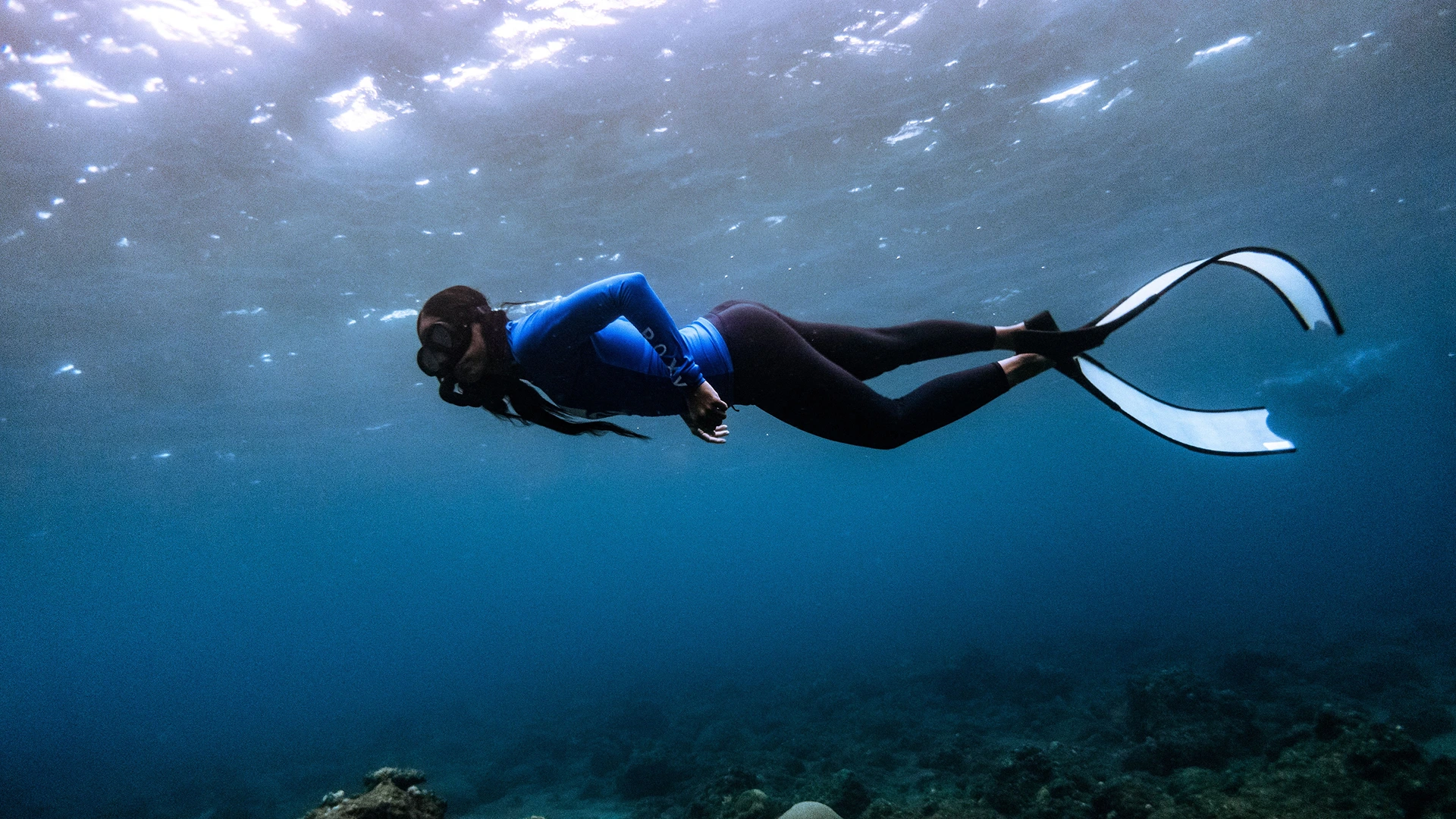
What you’ll see: yellow tang, butterflyfish, Moorish idols, parrotfish, triggerfish and sometimes whitetip reef sharks resting along the rim. In winter, humpback whales often surface on the ride out.
Best for: families, first-timers who want a guided experience and anyone chasing the clearest water.
Advisor tip: Book the earliest departure available. Morning trips usually get calmer seas and fewer boats, and many add a second stop at Turtle Town on the way back.
2. Honolua Bay
On Maui’s northwest coast, Honolua Bay sits at the bottom of a shaded valley inside a Marine Life Conservation District. A short trail through the trees leads to a rocky shoreline, and the best snorkeling follows the reef along both sides of the bay. There are no lifeguards and only basic facilities, which is part of its charm and part of why it suits confident swimmers.
What you’ll see: healthy coral heads, large schools of reef fish, sea turtles and octopus.
Best for: intermediate snorkelers from late spring to early fall. In winter, Honolua is one of Maui’s famous surf breaks and the water can be rough and cloudy.
Advisor tip: Skip it for a day or two after heavy rain. Stream runoff clouds the water and hides the reef.
3. Kapalua Bay
Kapalua Bay is a sheltered crescent of sand between two lava-rock points in West Maui. The points block most swells, so the water is usually calm, and the sandy entry makes it one of the easiest places on the island to put on fins and go. Snorkel along the rocks on either side, where the reef holds the most life. Parking is limited, so arrive early.
What you’ll see: green sea turtles, reef fish and eels tucked into the rocks.
Best for: beginners, kids and anyone staying in Kāʻanapali or Kapalua.
Advisor tip: Stay in West Maui and you can snorkel Kapalua before breakfast, when the bay is at its calmest and quietest.
4. Black Rock (Puʻu Kekaʻa), Kāʻanapali
At the north end of Kāʻanapali Beach, the lava headland known as Puʻu Kekaʻa, or Black Rock, drops straight into clear water. It’s a sacred place in Hawaiian tradition and one of the most convenient snorkels on Maui for anyone staying on the Kāʻanapali resort strip. Wade in from the sand and follow the rock wall around the point.
What you’ll see: turtles resting along the wall, schools of reef fish and occasional spotted eagle rays.
Best for: beginners and intermediate swimmers who want an easy shore entry. Stay close to the rock and turn back before the tip, where currents can pick up.
Advisor tip: Go early. By afternoon, wind chop and crowds reduce visibility.
5. Turtle Town (Mākena)
Turtle Town is the nickname for a stretch of reef and lava along the Mākena coastline in South Maui, near Maluaka Beach. Green sea turtles gather at “cleaning stations,” where small fish pick algae off their shells, so sightings here are close to certain on calm days. Many Molokini boats stop here, and confident swimmers can also reach the reef from Maluaka Beach.
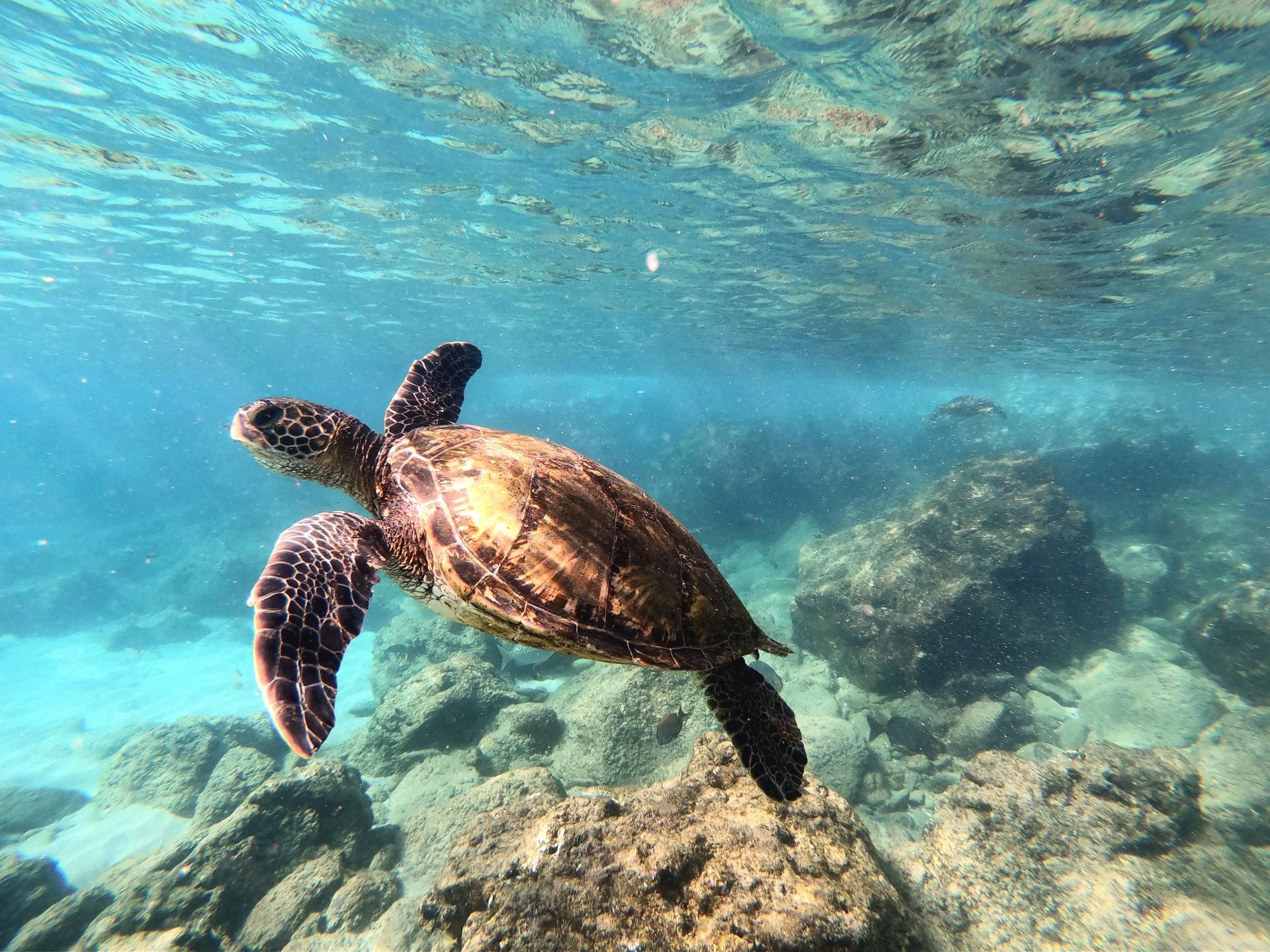
What you’ll see: honu (Hawaiian green sea turtles), reef fish and coral heads.
Best for: turtle lovers and families on a boat tour.
Advisor tip: Give turtles plenty of room. NOAA guidelines ask snorkelers to stay at least 10 feet away, and touching or harassing them is against the law.
6. Hulopoe Bay, Lanai (Day Trip From Maui)
Hulopoe Bay on Lanai is a Marine Life Conservation District with a sandy beach, tide pools and a quiet, healthy reef. Spinner dolphins often rest offshore in the mornings. You can reach Lanai on a day trip from Maui by passenger ferry or on a sail-and-snorkel tour, which makes it an easy way to add a second island to a Maui stay.
What you’ll see: coral, reef fish and spinner dolphins in the distance.
Best for: Maui visitors who want an uncrowded reef and a day on a different island.
Advisor tip: Dolphins rest in these bays during the day. Federal rules prohibit swimming within 50 yards of Hawaiian spinner dolphins, so enjoy them from a distance.
Big Island: Clear Water and Unforgettable Wildlife
The Big Island is Hawaii’s youngest island. Its lava coastline has few rivers and little sand, which keeps the water exceptionally clear along the Kona and Kohala coasts. That dry, leeward side is also sheltered from most winter swells, making the Big Island a strong choice any time of year. Between swims, our Hawaii volcano guide and the Big Island’s best-kept secrets will help fill the rest of your days.

7. Kealakekua Bay (Captain Cook Monument)
Kealakekua Bay, south of Kailua-Kona, is both a Marine Life Conservation District and a state historical park. The best snorkeling is at Kaʻawaloa Cove in front of the white Captain Cook Monument, where a healthy reef drops into deep, clear water. This is also where Captain James Cook’s arrival in 1779 brought the first extended contact between Hawaiians and Westerners.
How to get there: you can’t drive to the monument. Choose a boat tour that moors in the bay, a guided kayak tour with one of the outfitters permitted to land at Kaʻawaloa, or the steep Kaʻawaloa Trail. Independent kayakers may paddle the bay only in a vessel that holds a valid state permit, and they can’t land at the monument.
What you’ll see: spinner dolphins, sea turtles, butterflyfish, yellow tang and dense coral.
Best for: intermediate snorkelers and history lovers.
Advisor tip: A boat tour is the easiest choice for families and older travelers, since the hike back up the trail is long, hot and steep.
8. Two Step (Hōnaunau Bay)
Two Step gets its name from a flat lava ledge that forms two natural steps into Hōnaunau Bay. The reef starts right at the entry and the water deepens quickly, so you’re over coral within seconds. The bay sits beside Puʻuhonua o Hōnaunau National Historical Park, a sacred place of refuge, so be respectful of the area and park only in designated lots.
What you’ll see: turtles, colorful reef fish and spinner dolphins in the bay on many mornings.
Best for: confident swimmers. There’s no sandy entry and you’ll be out of your depth almost immediately.
Advisor tip: Arrive before mid-morning. The small parking areas fill fast and the bay gets busy.
9. Kahaluʻu Beach Park
Kahaluʻu Beach Park, just south of Kailua-Kona, is shielded by an ancient breakwater that keeps the inner bay shallow and calm on most days. That makes it one of the best beginner snorkeling spots in Hawaii. Volunteer reef educators are often on the beach sharing tips on how to snorkel without harming the coral.
What you’ll see: turtles, tangs, triggerfish, parrotfish and eels, all in shallow water.
Best for: kids, first-time snorkelers and older travelers.
Advisor tip: Because it’s shallow, it’s easy to kick or stand on the reef. Float flat, keep your fins up and wear a flotation vest if you’re new.
10. Manta Ray Night Snorkel (Kona Coast)
Off the Kona Coast, boat tours take snorkelers out after dark to sites where resident manta rays gather. Lights shine into the water, plankton collect in the beams and the mantas glide and loop just beneath you to feed. You float at the surface holding a lit board or float, so you don’t need to dive or swim far.
What you’ll see: reef manta rays feeding just below the surface, often close enough to see their gill slits.
Best for: almost everyone, including families with older kids and travelers who are comfortable floating with a flotation aid.
Advisor tip: Book it early in your trip. If a night is canceled for weather, you’ll still have time to reschedule.
Oahu: The Easiest Island for First-Time Snorkelers
Oahu packs a lot of snorkeling into a small island, with dozens of beach parks within an hour of Waikīkī. The North Shore is excellent in summer and dangerous in winter, while the south and east shores stay more consistent year-round. If you’re staying in Ko Olina, its calm, man-made lagoons are a gentle place to practice.
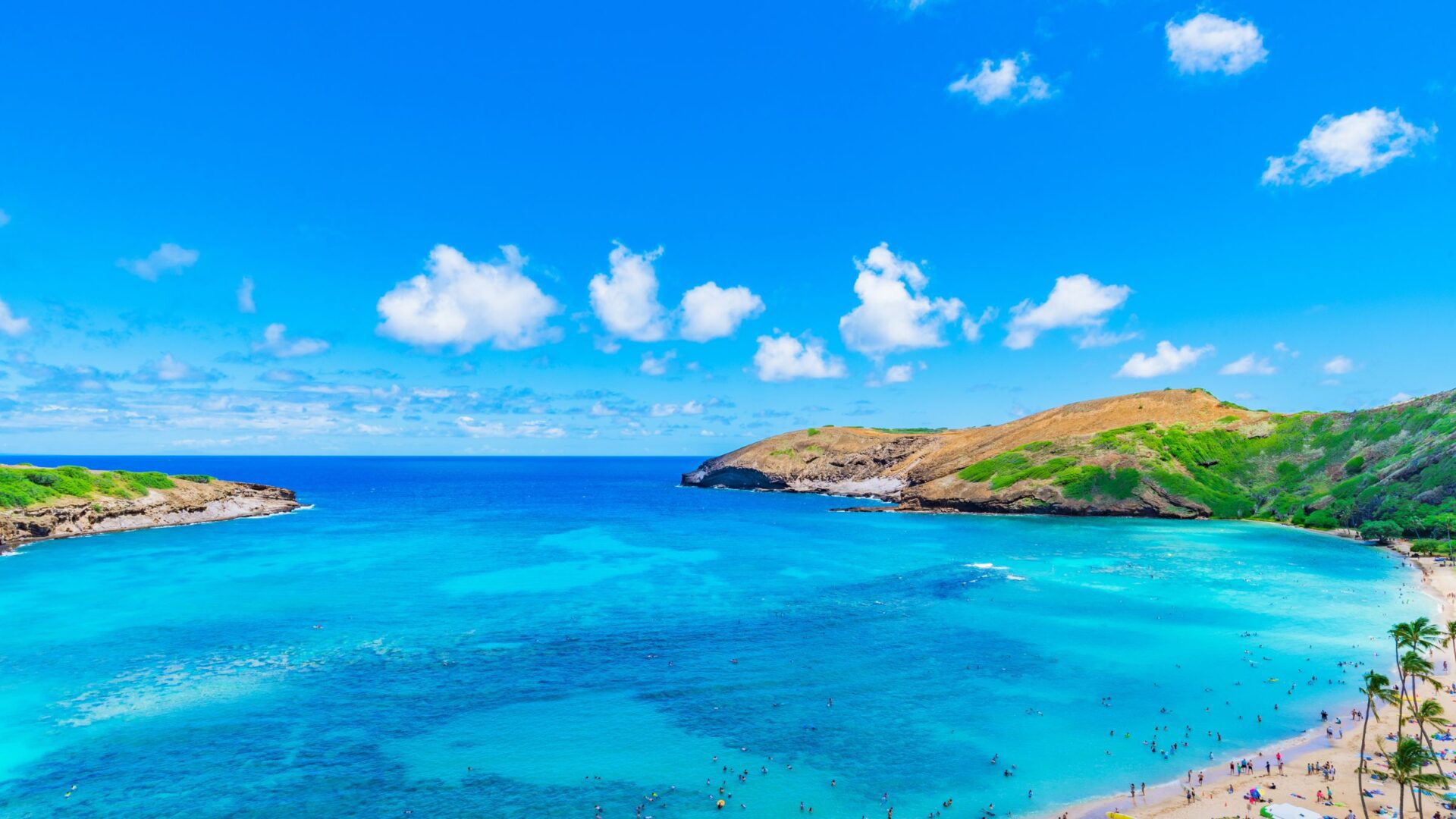
11. Hanauma Bay Nature Preserve
Hanauma Bay sits inside a volcanic crater on Oahu’s southeast shore, about half an hour from Waikīkī. A wide, shallow inner reef makes it one of the easiest and most rewarding places in Hawaii to learn. Every visitor watches a short reef-education video before heading down to the beach.
How to visit: non-residents need an online reservation, which opens two days ahead at 7 a.m. Hawaii time through the City and County of Honolulu. The preserve is closed every Monday and Tuesday, and the city schedules occasional closures for repairs, so check the official page before you plan your day.
What you’ll see: parrotfish, tangs, butterflyfish and sea turtles, with Hawaiian monk seals sometimes resting on the beach.
Best for: beginners and families with kids.
Advisor tip: Reservations go quickly. Set an alarm for the release time, aim for the earliest entry slot and leave plenty of time for parking.
12. Shark’s Cove
Shark’s Cove is part of the Pūpūkea Marine Life Conservation District on Oahu’s North Shore. Despite the name, sharks are rarely a concern. The cove is a maze of lava rock, tide pools and underwater arches that holds a surprising variety of life. Entry is over sharp, uneven rock, so take it slowly.
What you’ll see: octopus, eels, turtles, triggerfish and schools of convict tang.
Best for: intermediate snorkelers, in summer only. In winter, big North Shore surf makes this area dangerous.
Advisor tip: If surfers are out nearby, the swell is up. Head to a south or east shore spot instead.
13. Three Tables
A short walk south of Shark’s Cove, Three Tables is named for the flat rock formations just offshore. It’s also inside the Pūpūkea Marine Life Conservation District and has a sandy beach entry, which makes it a little easier than its neighbor. The best snorkeling is around the “tables” and the reef just beyond.
What you’ll see: turtles, reef fish and dramatic lava formations.
Best for: summer snorkelers who prefer a sandy entry.
Advisor tip: Stay inside the protected area. Currents get stronger beyond the outer rocks.
14. Kuilima Cove (Turtle Bay)
Kuilima Cove sits beside the Turtle Bay resort on Oahu’s North Shore. An outer reef shelters a small, shallow lagoon, so it often stays snorkelable when the rest of the North Shore is too rough. It’s one of the best family alternatives to Hanauma Bay, with no reservation needed.
What you’ll see: turtles, reef fish and small coral heads in shallow water.
Best for: families with young kids. During big winter swells, check with lifeguards first.
Advisor tip: Snorkel Kuilima in the morning, then spend the afternoon exploring Haleʻiwa town and the North Shore food trucks.
Kauai: The Most Scenic Snorkeling in Hawaii
Kauai’s reefs are older and more weathered than Maui’s, but its setting is unmatched. The north shore offers dramatic summer snorkeling beneath green cliffs, and the south shore around Poʻipū stays snorkelable most of the year. Kauai’s state parks occasionally close after storms, so check the Hawaii DLNR State Parks site the week you visit.
15. Tunnels Beach (Makua)
Tunnels Beach on Kauai’s north shore is ringed by a wide, horseshoe-shaped reef with lava tubes and arches, which gave the beach its name. The inner reef is shallow and calm in summer, while the outer edge drops into deep blue water for stronger swimmers. With the Nā Pali mountains behind you, it’s one of the most beautiful places to snorkel anywhere.
What you’ll see: turtles, reef fish, lava arches and occasional whitetip reef sharks along the outer edge.
Best for: intermediate to advanced snorkelers, in summer only.
Advisor tip: Parking is very limited. Park at nearby Hāʻena Beach Park and walk over, and avoid the channels that cut through the reef, where currents run.
16. Kēʻē Beach (Hāʻena State Park)
Kēʻē Beach sits at the end of the road inside Hāʻena State Park, at the start of the Kalalau Trail. In calm summer conditions, the reef forms a protected lagoon, and lifeguards are on duty. Non-residents need a park reservation, which opens 30 days ahead through Go Hāʻena. There’s no cell service at the park, so book before you drive.
What you’ll see: reef fish and turtles, with the Nā Pali cliffs rising above you.
Best for: beginners and intermediate snorkelers in summer. Winter swells can close the beach.
Advisor tip: Reservations for popular dates sell out. Book as soon as your travel dates are set.
17. Anini Beach
Anini Beach on Kauai’s north shore is protected by one of the longest fringing reefs on the island, which creates a wide, shallow lagoon with very little wave action. It’s quiet, uncrowded and easy.
What you’ll see: turtles, reef fish and patches of coral.
Best for: beginners, kids and anyone who wants a peaceful swim. Avoid the channel at the west end, where currents can run.
Advisor tip: Anini is a lovely morning swim for couples staying in Princeville or Hanalei.
18. Poʻipū Beach Park
Poʻipū Beach Park on Kauai’s sunny south shore is formed by two crescent bays meeting at a sandbar. Lifeguards, showers and calm water on most days make it the island’s most family-friendly snorkel, and it stays reliable when north shore spots close for winter surf.
What you’ll see: reef fish, turtles and often an endangered Hawaiian monk seal resting on the sand.
Best for: families and beginners, year-round. The south shore can see summer swells, so check conditions.
Advisor tip: If a monk seal is on the beach, stay at least 50 feet away and behind any ropes volunteers have set up.
Best Time to Snorkel in Hawaii
You can snorkel in Hawaii any month of the year, but where you go should change with the season. In winter, roughly November through March, large swells generated in the North Pacific pound the north-facing shores of every island. Visibility drops and spots like Shark’s Cove, Tunnels Beach and Honolua Bay become dangerous. South and west shores stay much calmer.
In summer, roughly May through September, the north shores flatten out and become some of the best snorkeling in the state. South shores can see occasional summer swells, so check the daily forecast wherever you are.
Time of day matters as much as the season. Trade winds usually build through late morning, so the best snorkeling is almost always early, before about 10 a.m. Water temperatures range from the mid-70s °F in winter to around 80°F in late summer, so most visitors are comfortable in a rash guard without a wetsuit.
| Season | Calmest shores | Top picks | Bonus |
|---|---|---|---|
| Winter (Nov–Mar) | South and west | Molokini, Kapalua Bay, Kealakekua Bay, Two Step, Hanauma Bay, Poʻipū | Humpback whale season |
| Spring (Apr–May) | Most shores, variable | Turtle Town, Kahaluʻu, Hanauma Bay, Anini | Fewer crowds |
| Summer (Jun–Sep) | North shores open up | Shark’s Cove, Three Tables, Tunnels, Kēʻē, Honolua | Calmest overall conditions |
| Fall (Oct) | Most shores before winter swells | Honolua Bay, Molokini, Two Step | Warmest water of the year |
Marine Life You’ll See Snorkeling in Hawaii
Hawaii is one of the most isolated island chains on Earth, so a large share of its reef fish are found nowhere else. Here’s what to look for.
- Hawaiian green sea turtles (honu): the most common big sighting, especially on Maui and at Poʻipū. They are protected under federal and state law.
- Humuhumunukunukuāpuaʻa: the reef triggerfish and Hawaii’s state fish, easy to spot by its bold stripes.
- Yellow tang, Moorish idols, butterflyfish and parrotfish (uhu): the bright reef fish you’ll see on almost every snorkel.
- Moray eels and octopus (heʻe): look in holes and crevices in the reef.
- Spinner dolphins (naiʻa): rest in bays like Kealakekua, Hōnaunau and Hulopoe during the day.
- Manta rays: best seen on a night snorkel off Kona.
- Hawaiian monk seals: endangered and found only in Hawaii, often resting on beaches.
- Humpback whales: visit Hawaii in winter, with the most sightings off Maui.
Rules to Know Before You Snorkel in Hawaii
Book reservations early. Several top snorkel spots now limit daily visitors. The table below shows the ones to plan around.
| Spot | What’s required | When to book |
|---|---|---|
| Hanauma Bay (Oahu) | Online reservation for non-residents; closed Mondays and Tuesdays | Two days ahead at 7 a.m. Hawaii time |
| Kēʻē Beach, Hāʻena State Park (Kauai) | Park entry or parking reservation for non-residents | Up to 30 days ahead |
| Captain Cook Monument, Kealakekua Bay (Big Island) | Boat tour, permitted guided kayak tour or Kaʻawaloa Trail hike | Book tours before you arrive |
| Molokini Crater and manta night snorkel | Boat tour only | Book early, especially in holiday periods |
Keep your distance from wildlife. Stay at least 10 feet from sea turtles, 50 feet from monk seals, 50 yards from spinner dolphins and 100 yards from humpback whales. Never touch, feed or chase marine animals. See NOAA’s marine life viewing guidelines for details.
Use reef-safe, mineral sunscreen. Hawaii state law bans the sale of sunscreens containing oxybenzone and octinoxate. Maui County, which includes Lanai and Molokai, goes further and allows only mineral sunscreens made with zinc oxide or titanium dioxide, and Hawaii County has a similar rule. A rash guard reduces how much sunscreen you need.
Never stand on coral. Coral is a living animal and grows very slowly. If you need to rest, float on your back or find sand.
Respect sacred places. Sites like Puʻu Kekaʻa and Puʻuhonua o Hōnaunau hold deep cultural meaning. Follow posted signs and park only in designated areas.
Snorkel Safety in Hawaii
Hawaii’s ocean is beautiful but powerful, and conditions can change quickly. Check Hawaii’s official ocean safety site and talk to a lifeguard before you get in.
- Snorkel with a buddy and agree on a turnaround point.
- Choose lifeguarded beaches when you’re new, and stay within easy swimming distance of shore.
- If surfers are out or waves are breaking on the reef, pick a different spot. When in doubt, don’t go out.
- Use a well-fitting traditional mask and snorkel, and practice in calm, shallow water first.
- Wear a snorkel vest if you’re not a strong swimmer. There’s no shame in extra flotation.
- Talk to your doctor before snorkeling if you have heart or lung concerns.
- Stay hydrated and rest between swims. Snorkeling in warm water is more tiring than it feels.
Shore Snorkeling vs. Snorkel Tours
Many of Hawaii’s best reefs, including Kapalua Bay, Two Step, Kahaluʻu and Poʻipū, are easy to reach from shore with your own gear. Shore snorkeling gives you flexibility to go early, skip the crowds and stay as long as you like.
Some experiences, though, are only possible by boat: Molokini Crater, the manta ray night snorkel, Lanai day trips and the best access to Kealakekua Bay. A good boat tour also includes gear, flotation, a lifeguard or guide and a crew that knows where the turtles and dolphins are that day. Most travelers enjoy a mix: shore snorkels around their resort and one or two signature boat trips.
What to Pack for Snorkeling in Hawaii
- A mask and snorkel that fit your face, tested before the trip.
- Fins, which you need for open-ocean snorkeling. Rental shops are easy to find in resort areas if you’d rather not pack them.
- Mineral sunscreen and a long-sleeve rash guard.
- A snorkel vest or flotation belt for kids and less confident swimmers.
- Anti-fog drops, a dry bag, a reusable water bottle and a light towel.
- An underwater camera or waterproof phone case for turtle photos.
Plan Your Hawaii Snorkeling Trip With The Travel Byrds
Picking a snorkel spot is easy. Building a trip around the right island, the right season and the right reservations is where a travel advisor makes the difference.
We match you to the right island and season. Our advisors know which shores are calm in your travel month and which islands suit your group, whether you’re planning a honeymoon, a family vacation or a multi-generational reunion.
We handle the timing that’s easy to miss. Hanauma Bay, Hāʻena and the best boat tours all book up. We plan around release windows and secure signature experiences like Molokini and the manta night snorkel before they sell out.
We place you near the best reefs. Stay in Kāʻanapali or Kapalua for West Maui turtles, Wailea for Molokini departures, the Kona Coast for mantas, or Poʻipū and Princeville on Kauai. Prefer everything taken care of? See our guide to Hawaii all-inclusive resorts.
We make multi-island trips flow. Inter-island flights, ferry days to Lanai and the order you visit islands all affect how much time you spend in the water. We build the itinerary so you don’t waste a calm morning in transit.
We plan for every swimmer in your group. From private charters for families to calm lagoons for grandparents and first-timers, we choose experiences that work for everyone.
We’re with you while you travel. If weather cancels a boat trip, your advisor helps rebook and adjust your plans.
Ready to plan? Book a free consultation with a Hawaii travel advisor. Want more ideas for your trip? Explore the best beaches in Hawaii or get a realistic picture of how expensive Hawaii really is.
The Travel Byrds is a fully licensed travel agency authorized to sell travel in all 50 states. Advisors are paid commission by certain suppliers.
Meet Our Hawaii Snorkeling Advisors
Want help from someone who knows the water? Two of our Travel Byrds advisors love planning active island trips like these.
Mikaila Domingo was born in Japan, grew up in Hawaii, studied in Ireland, worked in Kuwait and now calls Texas home. She specializes in personalized itineraries, with a particular passion for honeymoons, family vacations, adventure-filled getaways and trips to Europe and Japan. Swimming in Fiji’s crystal-clear water is one of her favorite travel memories, and she builds itineraries that balance must-see highlights with authentic, local moments.
Kimberly Gardner is a wife and mom whose love of travel began on family road trips across the United States. She loves active adventures, from hiking scenic trails to snorkeling in clear water and ziplining across the treetops, and she plans family vacations, getaways with friends and once-in-a-lifetime adventures. She’s a great match for families and first-time snorkelers who want an active Hawaii trip that’s easy to plan.
FAQ
Where is the best snorkeling in Hawaii?
Maui has the best snorkeling overall, with Molokini Crater, Honolua Bay, Kapalua Bay and Turtle Town among the top spots. The Big Island’s Kealakekua Bay and Two Step, Oahu’s Hanauma Bay and Kauai’s Tunnels Beach are also among the best places to snorkel in Hawaii.
Which Hawaiian island is best for snorkeling?
Maui is the best island for snorkeling because it has the most sheltered bays, reliable turtle sightings and boat access to Molokini Crater and Lanai. The Big Island is best for clear water and wildlife like manta rays, Oahu is easiest for beginners, and Kauai offers the most scenic summer snorkeling.
What is the best time of year to snorkel in Hawaii?
Summer, from about May through September, offers the calmest conditions overall and opens up the north shores. In winter, snorkel on south and west shores, such as Molokini, Kealakekua Bay and Poʻipū. On any day, mornings are usually calmer than afternoons.
Where is the best snorkeling in Hawaii for beginners?
Hanauma Bay on Oahu, Kahaluʻu Beach Park on the Big Island, Kapalua Bay on Maui and Anini and Poʻipū beaches on Kauai are the best beginner spots. They have shallow, protected water and easy sandy or gradual entries.
Where can you snorkel with sea turtles in Hawaii?
Turtles are common across Hawaii, but Kapalua Bay, Black Rock and Turtle Town on Maui, Kahaluʻu Beach Park on the Big Island and Poʻipū Beach on Kauai are especially reliable. Stay at least 10 feet away and never touch them.
Do you need a reservation to snorkel at Hanauma Bay?
Yes, non-residents need an online reservation, which opens two days ahead at 7 a.m. Hawaii time through the City and County of Honolulu. The preserve is closed on Mondays and Tuesdays.
Is it safe to snorkel in Hawaii?
Yes, when you choose the right spot for the conditions. Check the surf and ocean safety forecast, snorkel with a buddy, favor lifeguarded beaches, wear flotation if you’re not a strong swimmer and avoid north shores in winter.
What sunscreen can you use when snorkeling in Hawaii?
Use mineral sunscreen made with zinc oxide or titanium dioxide. Hawaii bans the sale of sunscreens containing oxybenzone and octinoxate, and Maui County and Hawaii County allow only mineral sunscreens.
Do I need a tour to snorkel in Hawaii?
No. Many top spots are easy to reach from shore. A boat tour is needed for Molokini Crater, the manta ray night snorkel and the easiest access to Kealakekua Bay’s Captain Cook Monument.
Is the manta ray night snorkel worth it?
For most travelers, yes. Watching manta rays feed just beneath you is one of Hawaii’s most memorable experiences, and you hold a float at the surface, so it works for confident and cautious swimmers alike.
Can kids snorkel in Hawaii?
Yes. Choose calm, shallow, lifeguarded spots like Hanauma Bay, Kahaluʻu, Kuilima Cove or Poʻipū, use a snorkel vest and practice in shallow water first.
Can a travel agent help plan a Hawaii snorkeling trip?
Yes. A Hawaii travel advisor can match you to the best island for your season, book reservations and boat tours before they sell out, choose resorts near great reefs and plan multi-island itineraries. The Travel Byrds helps travelers in all 50 states plan Hawaii trips.