Quick answer: Yes, Ireland is worth visiting for most travelers, especially anyone who loves dramatic coastlines, living history, live music and friendly people, all in an English-speaking country that is easy to reach from the United States. It is less ideal if you want guaranteed sunshine, a bargain destination or a trip with no driving. A travel agent is worth it for Ireland when your trip has several stops, a rental car, castle or manor stays, a special occasion or a group, because the roads are narrow, the best small places are limited and the weather can change your plans. For a simple city break or a flexible solo trip, booking it yourself is usually fine.
This guide answers both questions honestly, including the downsides, so you can decide whether Ireland is right for you and whether you need help planning it.
The short version
- Worth it for: scenery, history, pubs and music, food, small-town charm, castles, ancestry trips and travelers who want an easy first trip to Europe.
- Think twice if: you hate changeable weather, dislike driving on the left, need a tight budget or want a beach holiday.
- Best time: late spring and early autumn, when the days are long or the crowds are lighter.
- A travel agent helps most with: multi-stop routes, driving logistics, castle and manor stays, private drivers and guides, group trips and special occasions.
- You can skip an agent for: a short Dublin city break or a flexible, one-base trip you are happy to research.
Part One: Is Ireland Worth Visiting?
Why Ireland Is Worth Visiting
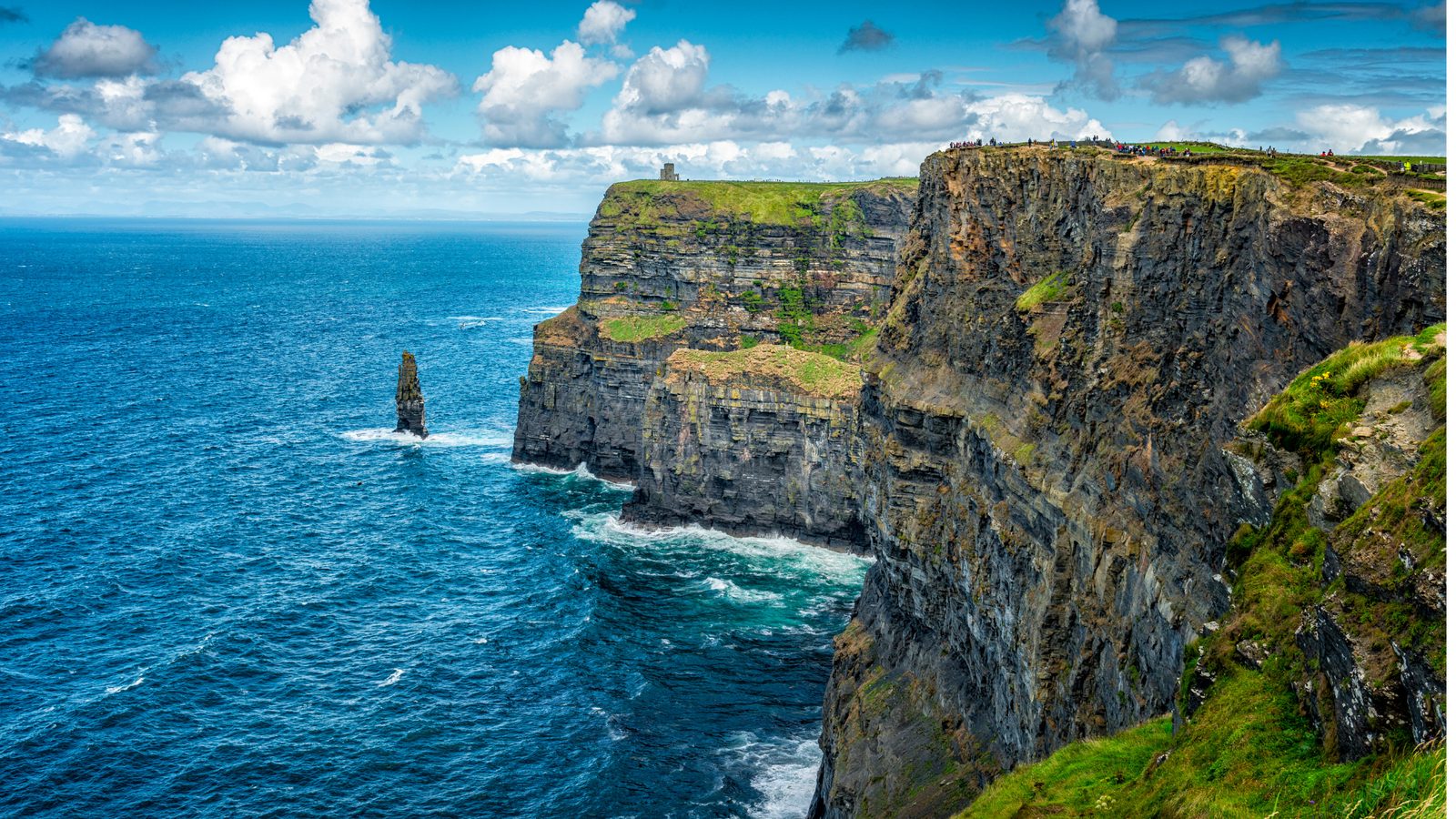
The scenery is the headline. Ireland packs cliffs, mountains, lakes, beaches, bogs and rolling green countryside into an island small enough to cross in a day. The Wild Atlantic Way along the west coast is among the great coastal drives anywhere, and places such as the Cliffs of Moher, the Dingle Peninsula, the Ring of Kerry and Connemara deliver the kind of views people travel across an ocean to see.
History is everywhere. You can walk through ancient passage tombs, climb monastic ruins, tour medieval castles and stand in the streets where modern Irish history unfolded. Few destinations make the past this easy to touch, whether you are exploring the Rock of Cashel, a Viking-era city or a Georgian Dublin square.
The people make the trip. Irish hospitality is not a cliché. Conversation with strangers, a bartender who remembers where you are from and a host who sends you to the right pub for music are a big part of why travelers come home planning a return.
Pubs, music and the pace of life. A pub in Ireland is a living room for the town. Traditional music sessions, a fire in winter and a slow lunch while the rain passes are as memorable as any famous sight.
Food has quietly become a reason to go. Fresh seafood, farmhouse cheese, excellent dairy, brown bread, lamb, stews and a thriving restaurant scene in the cities and along the coast mean Ireland is no longer a place you go despite the food. Read our guide to delicious Irish eats.
It is one of the easiest trips to Europe. Ireland is English-speaking, has direct flights from several U.S. cities, and is easy to navigate once you accept the driving. For first-time international travelers, nervous travelers and multigenerational groups, that ease matters.
It suits almost every kind of traveler. Couples, families, friends, solo travelers, golfers, history lovers, ancestry researchers and anyone celebrating a milestone all find something that fits.
Who Ireland Is Perfect For (and Who Might Skip It)

Ireland is a great fit if you:
- love scenery, walking, history, music and food more than nightlife or beaches
- want a first European trip that feels easy and welcoming
- are exploring family roots or planning a heritage trip
- enjoy small towns, local pubs and unhurried afternoons
- are celebrating a honeymoon, anniversary or family milestone
- are comfortable with weather that changes by the hour
Ireland may not be the best fit if you:
- want reliable sunshine and warm swimming water
- need a very low budget
- want to see everything in a few days without driving
- are uneasy about narrow roads and driving on the left and do not want a driver
- dislike crowds at the most famous sights during peak summer
The Honest Downsides of Visiting Ireland

An honest answer means naming the drawbacks.
- The weather is changeable. Rain can arrive on any day of the year, and a bright morning can turn gray by lunch. The right clothing and a flexible plan turn this from a problem into part of the charm.
- Driving takes getting used to. You drive on the left, and many of the best roads are narrow, winding and lined with stone walls. Rural roads can be slower than the map suggests.
- Distances feel longer than they look. Ireland is small, but the best places are spread out and the roads are slow. Overpacked itineraries are the most common mistake.
- It is not a budget destination. Accommodation, rental cars and dining can add up, especially in summer and in popular towns.
- Famous sights can be crowded. The Cliffs of Moher, the Ring of Kerry and Dublin attractions get busy in peak season. Timing and early starts help.
- Small places keep small hours. Some attractions, shops and restaurants in smaller towns close early or on certain days, particularly outside summer.
- Automatic rental cars are limited. Most rental cars are manual, so if you need an automatic, reserve early.
Places That Make Ireland Worth the Trip
Dublin
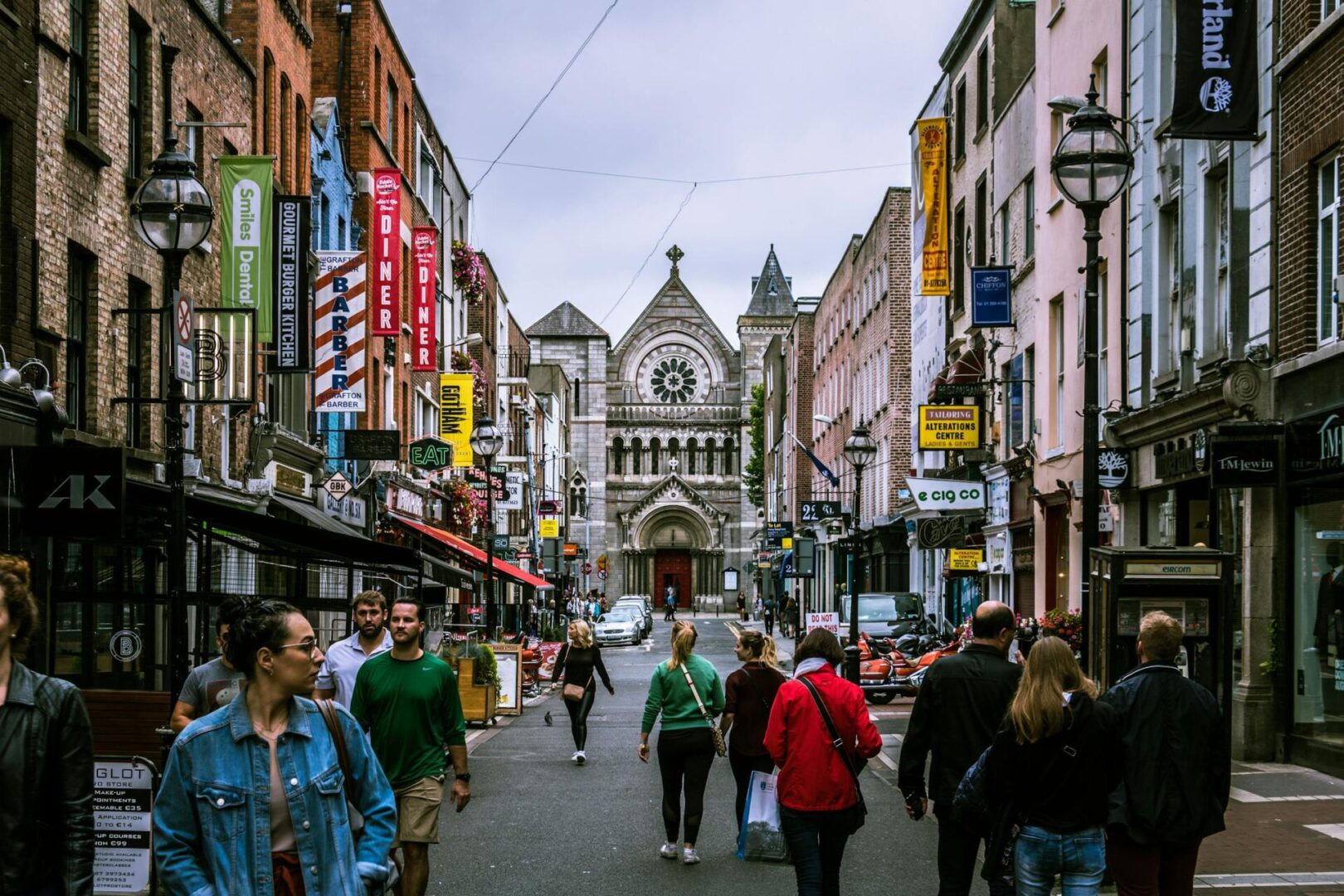
A walkable capital of literary history, Georgian streets, museums, pubs and food. Worth a couple of nights, especially to start or end the trip. Explore Dublin.
Kilkenny and the Rock of Cashel
A medieval city and one of Ireland’s most striking ancient sites make an ideal stop between Dublin and the southwest.
Killarney and the Ring of Kerry
Lakes, mountains and sweeping coastal views, with a national park right beside a lively town. Explore Killarney.
The Dingle Peninsula
A rugged, colorful peninsula with a Gaelic-speaking heart, great seafood and some of Ireland’s best music pubs.
The Cliffs of Moher and the Burren
Towering sea cliffs beside a lunar limestone landscape that is unlike anywhere else in Europe.
Galway and Connemara
A lively, creative city on the bay, and beyond it a wild landscape of lakes, mountains and bogs.
The Causeway Coast and Belfast
Northern Ireland adds the Giant’s Causeway, dramatic coastal roads and a city with a powerful modern history. See Dublin versus Belfast.
Castle stays
Sleeping in a castle or manor house is one of the most memorable parts of an Ireland trip. See the best castles to visit in Ireland.
Hidden corners
Beyond the classics, Ireland rewards travelers who add a few quieter places. See our hidden treasures of Ireland.
When Is the Best Time to Visit Ireland?
- Late spring: long days, fresh green countryside, spring flowers and moderate crowds. Often the sweet spot.
- Summer: the longest daylight and the best chance of mild weather, but the highest demand for rooms, cars and popular sights.
- Early autumn: warm enough to be comfortable, thinner crowds and good light. Another sweet spot.
- Late autumn and winter: quiet, atmospheric and good value, with shorter days, more rain and some seasonal closures.
- Holiday weekends and festivals: St. Patrick’s weekend and bank holidays fill towns and rooms quickly, so plan well ahead.
Read our full guide to the best time to visit Ireland.
How Long Do You Need in Ireland?
Plan on at least a long week to see the classic route comfortably, and more if you want to add Connemara, Northern Ireland or slower days. If you only have a few days, focus on one region instead of crossing the whole country. Our Ireland itinerary guide lays out day-by-day routes for different trip lengths.
The rule that saves most trips: spend at least two nights in the places you care about most, and do not change hotels every night.
Is Ireland Expensive?
We do not quote prices here because they change often, but we can explain what drives the cost of an Ireland trip.
- Season: summer and holiday weekends cost the most.
- Where you sleep: castles and manor houses are a splurge, while family-run B&Bs and guesthouses are often wonderful value.
- How you get around: a rental car, fuel and parking add up, while a private driver is a luxury that some travelers find worth it.
- How you eat: pub meals are a good value, while destination restaurants in cities and resort towns cost more.
- How many bases you use: fewer stops mean fewer transfers and more time actually enjoying places.
Ireland can be done at many levels. The best way to control cost is to choose your season, your pace and your must-do splurges before you book.
Practical Things to Know Before You Go
- Entry: U.S. citizens generally do not need a visa for a tourist visit to the Republic of Ireland, but you need a valid passport. Check the official Irish government site for current rules before you travel.
- Northern Ireland is the United Kingdom: it uses a different currency, and U.S. travelers need a UK electronic travel authorization, even when arriving through the Republic. Check the UK government guidance before your trip.
- Currency: the Republic uses the euro, and Northern Ireland uses the pound sterling.
- Driving: you drive on the left. Take the extra insurance advice seriously, reserve an automatic early if you need one, and keep daily drives short.
- Phones and power: check your phone plan, and bring a plug adapter.
- Tipping: modest and different from the United States. Ask locally or ask your advisor.
- Opening hours: confirm hours and reserve popular attractions, restaurants and tours ahead.
- Pubs: many serve food, and many welcome families during the day.
- Language: English is spoken everywhere, and signs in the west are often in Irish too.
Is Ireland Safe?
Ireland is considered one of the safer destinations in Europe for visitors, including solo travelers and families. As anywhere, use common sense in cities: keep valuables secure, watch bags in crowded places and take care at night. The most realistic risks are practical ones, such as unfamiliar roads, slippery cliff paths and changing weather, so stay behind barriers at coastal edges and respect local advice.
Is Ireland Good for Families, Couples, Solo Travelers and Seniors?
- Families: castles, beaches, easy walks, wildlife and welcoming pubs make Ireland a natural family trip. See our family vacation planning.
- Couples and honeymoons: castle stays, coastal drives and cozy dinners are made for romance. See our honeymoon travel advisors.
- Solo travelers: friendly, safe and social, particularly if you base yourself in towns with good public transport or choose small group tours.
- Seniors and multigenerational groups: a private driver, fewer hotel changes and attention to stairs, cobblestones and walking distances make a big difference.
- Ancestry travelers: records, parish visits and local guides can turn a trip into a personal pilgrimage, which is where planning pays off most.
Visiting Ireland Responsibly
Popular sites feel the pressure of visitors, and small communities rely on travelers who treat places with care. Visit at quieter times of day, spread your nights across several towns instead of only the famous ones, stay in locally owned places, eat local food, respect farmland and gates, and follow trail and cliff rules.
Part Two: Is a Travel Agent Worth It for Ireland?
The Honest Answer
Sometimes. Ireland is easy to book on your own, and many travelers do it well. A travel agent adds the most value when the trip has moving parts, when the best places are small and limited, or when a mistake would be costly. If your trip is simple, flexible and low stakes, you probably do not need one.
What You Can Easily Do Yourself
- Book flights and a Dublin hotel for a short city break.
- Plan a one-base stay with day trips.
- Choose a few B&Bs and guesthouses with strong reviews.
- Join a small group tour with a clear itinerary.
- Research and book a trip you have taken before.
Where an Ireland Travel Advisor Earns Their Place
- Routing and pacing: the most common mistake is trying to see too much. An advisor who knows Ireland builds a route that flows and protects your time.
- Driving logistics: from choosing rental pick-up locations to planning short, scenic driving days, or arranging a private driver so you can relax.
- Castle and manor stays: the best rooms in the best places are limited and book far ahead. An advisor knows which are worth it and which are tourist traps.
- Small, family-run places: advisors can recommend guesthouses, restaurants and guides that do not show up in a quick search.
- Timed entries and permits: certain experiences need advance booking, and some are weather-dependent. An advisor builds in backups.
- Private guides and experiences: local guides, ancestry researchers, falconry, whiskey and food experiences, and private sights.
- Special occasions: honeymoons, milestone birthdays, anniversaries and family reunions benefit from someone handling the details.
- Groups and multigenerational trips: keeping everyone’s needs, abilities and budgets in one plan.
- Northern Ireland and the border: advice on entry authorization, currency and how to add Belfast and the Causeway Coast smoothly.
- Rainy-day plans: knowing what to do when the weather turns, which is half of any Irish trip.
- A person to call: if a flight changes or plans shift, you have one point of contact instead of a call center.
When You Probably Do Not Need One
- You are staying in Dublin or one town for a short trip.
- You have been to Ireland before and know the routes.
- You love researching and are comfortable with the driving and the booking.
- Your travel dates are flexible and you are happy to improvise.
DIY or Travel Advisor: A Side-by-Side Look
| Question | Planning it yourself | Working with an Ireland travel advisor |
|---|---|---|
| Time | Many hours of research and comparison | A short consultation, then a plan built for you |
| Route and pacing | Easy to overpack | Built around realistic driving days and your priorities |
| Hotels and castles | Depends on reviews and availability | Access to vetted properties and help with limited rooms |
| Driving | You arrange the car and the route | Car, private driver or train options chosen for you |
| Special experiences | Whatever you find online | Local guides, private access and timed entries arranged |
| When plans change | You call each company | One person helps you rebook and adjust |
| Northern Ireland and entry rules | You research the requirements | Your advisor reminds you what applies |
| Cost | No planning fee, but you carry the time and risk | Suppliers generally pay commission; some custom trips include a planning fee explained upfront |
What Does an Ireland Travel Advisor Actually Do?
- Learns who is traveling, what you love and what you want to avoid.
- Chooses a region and route that fits your time and season.
- Selects places to stay, from castles to small guesthouses.
- Arranges the car, a driver or train options and the airport you fly into.
- Books experiences, guides, dinners and timed entries.
- Reviews entry rules and documents, including for Northern Ireland.
- Provides your itinerary in an app and supports you during your trip.
How Are Travel Agents Paid?
Suppliers such as hotels and tour operators generally pay agents a commission, so using an agent does not always cost more than booking directly. Some custom trips include a planning fee. A trustworthy advisor explains how they are paid before you commit. At The Travel Byrds, advisors are paid commission by certain suppliers, and we tell you so.
How to Choose an Ireland Travel Agent
- Have they been to Ireland? First-hand knowledge shows in the details.
- Do they specialize? Look for advisors with Ireland credentials and recent trips planned.
- Will you have one advisor? Consistency matters if plans change.
- Can they explain how they are paid? Look for clarity about commission and any fee.
- Do they ask about you first? A good advisor asks questions before recommending anything.
- Do they plan for rain? Real Ireland planning includes backup options.
- Can you verify their reviews? Look for recent, detailed reviews.
- What happens if something goes wrong? Ask who you call and how fast you will hear back.
What Our Ireland Advisors Say
Our Cincinnati-based Ireland specialists love Ireland for its scenery and its heart. Monica Bowen, who grew up with an Irish mother, says her favorite part of Ireland is Kerry, with its scenery, friendly locals, fresh seafood, welcoming pubs and ancient ruins. Her top tip for first-time visitors is to embrace the winding roads and explore beyond the big cities to experience the countryside’s magic. Karla Bohle also specializes in Ireland. Meet Monica, Karla and the rest of our team of travel experts.
Common Mistakes First-Time Ireland Travelers Make
- Trying to see too much: the roads are slow and the best moments happen when you are not rushing.
- Changing hotels every night: stay at least two nights where it counts.
- Underestimating the driving: distances look short on a map and feel long on narrow roads.
- Ignoring the weather: pack layers, waterproofs and a flexible plan.
- Skipping reservations: castles, popular restaurants and timed sights fill early.
- Forgetting Northern Ireland entry rules: check them before you cross.
- Leaving Skellig-type experiences to chance: limited-access experiences need early planning and weather flexibility.
- Booking only famous places: the quieter towns are often the best part of the trip.
So, Is Ireland Worth It, and Do You Need an Agent?
Ireland is worth visiting for travelers who want scenery, history, music and warmth without the hurdles of a language barrier. A travel agent is worth it when the trip is complex, special or high stakes, and especially when you want to drive less, stay in the best places and have one person looking out for you. If you want a trip designed around your pace and your priorities, our Ireland specialists are here to help.
Frequently Asked Questions About Visiting Ireland and Using a Travel Agent
Is Ireland worth visiting?
Yes, for most travelers. Ireland offers dramatic scenery, deep history, live music, great food and friendly people in an English-speaking country that is easy to reach from the United States. It is less suited to travelers who want guaranteed sunshine or a very low budget.
Is Ireland worth visiting for a first European trip?
Yes. It is welcoming, English-speaking, compact and easy to navigate, which makes it a popular first trip to Europe.
Is a travel agent worth it for Ireland?
It depends on the trip. For multi-stop routes, driving, castle stays, special occasions and group travel, an agent saves time and prevents mistakes. For a simple city break, you can book it yourself.
Do I need a travel agent to plan a trip to Ireland?
No, but it helps. Ireland is easy to book independently, though an advisor adds value with routing, rental car or driver logistics, limited-availability stays and rainy-day backups.
How much does an Ireland travel agent cost?
Suppliers generally pay agents a commission, so many trips cost no more than booking directly. Some custom trips include a planning fee, which is explained upfront.
What are the downsides of visiting Ireland?
Changeable weather, narrow roads and driving on the left, longer-than-expected travel times, crowds at famous sights in peak season and costs that rise in summer.
What is the best time to visit Ireland?
Late spring and early autumn are often the sweet spot, with long daylight or lighter crowds. Summer is the busiest, and winter is quiet but wetter.
How long do you need in Ireland?
A long week is a good minimum for the classic route. More time lets you add Connemara or Northern Ireland and slow down.
Do I need a visa to visit Ireland from the United States?
U.S. citizens generally do not need a visa for a tourist visit to the Republic of Ireland, but they need a valid passport. Check the official Irish government site for current rules.
Do I need anything special to visit Northern Ireland?
Northern Ireland is part of the United Kingdom, and most U.S. travelers need a UK electronic travel authorization, even when arriving through the Republic. Check the UK government guidance before you go.
Is it hard to drive in Ireland as an American?
It takes adjusting. You drive on the left, roads are often narrow, and rural drives take longer than expected. Many travelers keep daily drives short, or hire a private driver.
Is Ireland safe for travelers?
Ireland is considered one of the safer destinations in Europe. Use normal city precautions and respect cliff edges and changing weather.
Is Ireland expensive?
It can be, especially in summer. Cost depends on season, where you stay, how you travel and how many bases you use. Planning ahead helps you control it.
How do I find a good Ireland travel agent?
Look for first-hand Ireland experience, clear explanations of how they are paid, recent reviews and an advisor who asks about you before recommending anything. Meet our Ireland specialists.
Ready to Plan Your Ireland Trip?
Tell us who is traveling, when you want to go and what you love, and one of our Ireland advisors will design a route that fits. Your first consultation is free.