The best travel agency for a Japan trip is one that knows Japan firsthand, designs your itinerary around the way you like to travel, is properly licensed, and stays reachable while you are on the ground. Look for real Japan experience, trusted in-country guides, clear communication, and a team that can adjust quickly when plans change.
Japan is one of the most rewarding countries in the world to visit, and one of the easiest to over-plan, under-plan, or plan in the wrong order. Bullet trains, ryokan etiquette, timed-entry tickets, restaurants that book out weeks ahead, and cherry blossoms that refuse to follow a calendar all add up to a trip where small decisions matter.
That is why so many travelers search for the best travel agency for a Japan trip. But the results can be confusing: global tour operators, Japan-only boutiques, online marketplaces, and full-service advisory agencies all claim to be the best.
This guide helps you cut through that. You will learn what ‘best’ really means for Japan, the main types of agencies and who each suits, the questions to ask before you hire anyone, the red flags to avoid, and what a great Japan travel advisor handles from the first call to the flight home.
In this guide
- What ‘best’ really means for a Japan trip
- Why Japan rewards professional planning
- Eight things to look for
- Ten questions to ask before you hire
- Red flags to watch for
- What a Japan travel advisor handles, start to finish
- The best time to visit Japan
- Japan itinerary ideas by travel style
- Common first-time mistakes
- How Travel Byrds plans Japan trips
- Frequently asked questions
1. What ‘Best’ Really Means for a Japan Trip
The agency that is best for a retiree who wants a guided small-group journey is not the best for a honeymoon couple dreaming of private ryokan stays, and neither is automatically right for a family traveling over school break. ‘Best’ is a match, not a ranking.
Before you compare names, get clear on four things:
- Your travel style. Do you want a fully guided trip, a mostly independent trip with expert backup, or something in between?
- Your support level. Do you want one person who knows your preferences and handles everything, or are you comfortable coordinating pieces yourself?
- Your flexibility needs. Typhoons, train disruptions, closures, and flight changes happen. Who rebooks things for you?
- Your long-term plans. If Japan is the first of many trips, an agency that can plan Japan, a follow-up in Europe, and a family getaway next year saves you from starting over every time.
Write those answers down. They will make every comparison below easier.
2. Why Japan Rewards Professional Planning
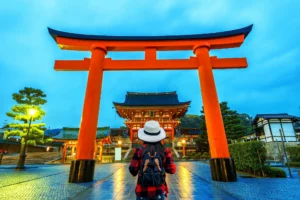
You can absolutely plan Japan yourself, and many people do. But Japan is a destination where an experienced planner changes the quality of the trip, not just the convenience. Here is where that shows up most:
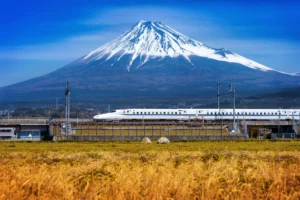
- Rail and transfer logistics. Japan’s trains are famously punctual and extensive, but stations can be enormous and routes layered. An advisor sequences your cities so you are not backtracking, and helps you decide whether a rail pass fits your route or whether individual tickets make more sense.
- Luggage forwarding. Hotel-to-hotel luggage services let you travel between cities with just a small overnight bag. It is one of the best-kept conveniences in Japan, and one first-timers often miss.
- Reservations that sell out. Popular museums, tea ceremonies, private guides, and top restaurants can require advance booking. Planning late can mean missing the experiences you came for.
- Etiquette and customs. Onsen rules, ryokan routines, shrine and temple manners, and dining customs are easy to learn but easy to get wrong. A good advisor prepares you, and a good local guide shows you.
- Language and navigation. English is common in major hubs but far less so in smaller towns and the countryside, where some of the most memorable stays are found.
- Choosing the right base. Hotels in Japan vary widely in size and style, from compact city rooms to traditional ryokan with tatami floors and multi-course dinners. Location and layout matter more than star ratings alone.
- Seasonality and crowds. Cherry blossom season, Golden Week, summer festivals, and autumn foliage all shape what is available and how busy it feels.
For free destination ideas, regional guides, and event information, the Japan National Tourism Organization is the official source and a good place to start your research.
3. Eight Things to Look for in a Japan Travel Agency
1. Proper licensing and accountability
A legitimate agency is registered to sell travel in the states where it operates and belongs to recognized industry organizations. Ask for their seller-of-travel registration details and look for memberships such as the American Society of Travel Advisors (ASTA).
The American Society of Travel Advisors (ASTA) is the largest trade association for travel advisors, and it explains why working with a verified travel advisor can make a trip more enjoyable.
2. Japan-specific experience
Ask whether your advisor has traveled to Japan, which regions they know best, and which in-country partners they work with. Personal experience shows up in the details: which neighborhood to stay in, which onsen town suits a first visit, which day trip is worth the time.
3. Real customization, not a template
A strong itinerary starts with questions about you: your pace, your interests, who is traveling, and what you want to avoid. If a proposal looks identical to what a stranger would receive, keep looking.
4. Trusted local guides and on-the-ground support
The best moments in Japan often come from a knowledgeable guide who can explain a temple, introduce a craft, or lead you through a food market. Ask how guides are selected and what happens if you need help while you are in Japan.
5. Smooth logistics
Transfers, train tickets, luggage forwarding, and hotel check-in timing should be handled as part of the plan, not left as homework.
6. A thoughtful range of stays
The right agency can place you in a traditional ryokan, a modern city hotel, or a quiet countryside inn, and explain why each fits your trip.
7. Genuine, recent reviews
Look for detailed reviews from real travelers on independent platforms, and read how the agency responds when something does not go perfectly. Specific stories about planning and problem-solving are more telling than star ratings alone.
8. Clear communication and tools
You should know who your point of contact is, how quickly they respond, and where your itinerary, reservations, and documents live before and during the trip.
4. Ten Questions to Ask Before You Hire a Japan Travel Agent
Use these on a first consultation:
- Have you personally traveled in Japan, and which regions do you know best?
- Who will actually plan my trip, and will I have one main contact?
- How do you tailor an itinerary to my interests rather than reusing a template?
- Which local guides and partners do you work with in Japan?
- What happens if a typhoon, closure, or flight change disrupts the trip?
- How do you handle rail travel, transfers, and luggage between cities?
- Can you accommodate dietary needs, mobility needs, or traveling with children?
- How will I access my itinerary, tickets, and reservations while traveling?
- What is your process from first call to departure, and what follow-up happens after I return?
- Are you licensed to sell travel, and what organizations do you belong to?
A confident, specific answer to each is a very good sign.
5. Red Flags to Watch For
- Vague answers about who will plan the trip or who is accountable.
- No licensing or registration information available when you ask.
- Itineraries packed with so many stops that there is no breathing room.
- Little or no personal Japan experience on the team.
- Pressure to commit before you have seen a real proposal.
- No plan for what happens when something goes wrong abroad.
6. What a Japan Travel Advisor Handles, Start to Finish
Before you go
- Discovery. Your advisor learns who is traveling, what excites you, and what would make you tired or bored.
- Route design. Cities and regions are sequenced to reduce backtracking and match your pace, whether that is the classic Tokyo, Hakone, Kyoto, and Osaka arc or something more off the beaten path.
- Stays and experiences. Hotels, ryokan, private guides, cultural workshops, and dining reservations are matched to your interests.
- Logistics. Flights, rail, transfers, and luggage forwarding are coordinated so the days flow.
- Travel protection. Your advisor explains trip insurance options so you can decide what fits.
- Preparation. You receive guidance on what to pack, etiquette, connectivity, and what to expect on arrival. Entry requirements can change, so your advisor will point you to current official guidance before you travel.
Official resources worth bookmarking: the U.S. Department of State’s Japan page for entry requirements, safety guidance, and travel advisories, and the U.S. Embassy in Tokyo for services available to American travelers in Japan.
While you are traveling
- One point of contact if plans change.
- Quick help with rebooking when weather or transport disrupts the day.
- Your full itinerary, confirmations, and contact details in one place on your phone.
After you return
- A follow-up conversation about what worked and what could be even better, which shapes your next trip.
7. The Best Time to Visit Japan
The right season depends on what you want most. Your advisor will weigh timing against your priorities.
- Spring (late March to April): Cherry blossoms and mild weather. It is also one of the busiest times, and bloom dates shift from year to year.
- Early summer (June to mid-July): The rainy season brings lush scenery and fewer crowds, with some wet days.
- Summer (July to August): Hot and humid in much of the country, but full of festivals and fireworks. Hokkaido and mountain areas offer cooler escapes.
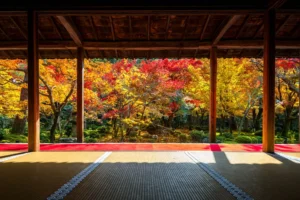
- Autumn (October to November): Comfortable weather and vivid foliage, especially in Kyoto and the mountains. Another popular season to plan early for.
- Winter (December to February): Crisp air, snow country, steaming onsen, and fewer visitors. Many businesses close around the New Year holiday.
Busy national holidays such as Golden Week in late April and early May and Obon in mid-August can affect crowds and availability, so they are worth planning around.
8. Japan Itinerary Ideas by Travel Style
These are starting points. A good advisor reshapes them around you.
- The first-time classic. Tokyo, Hakone for mountain views and onsen, Kyoto for temples and gardens, and Osaka for food, with day trips such as Nara. The most popular route for a reason.
- Culture and history. Add Hiroshima and Miyajima, Kanazawa, Takayama, and the thatched-roof village of Shirakawa-go for a deeper look at Japan’s past.
- Food-focused. Market tours, sushi and ramen counters, regional specialties, cooking classes, and evenings in Osaka and Fukuoka.
- Active and outdoors. Walking sections of the historic Nakasendo trail, the Kumano Kodo pilgrimage routes, or the Japanese Alps.
- Slow travel and countryside. Rural ryokan, small onsen towns, and quiet regions such as Tohoku and Shikoku.
- Beach and island add-ons. Okinawa and its neighboring islands pair well with a city-focused trip.
- Snow and seasonal specialties. Hokkaido for winter snow, powder skiing, and seafood, or summer flower fields.
For route details, seasonal conditions, and trail updates on the Kumano Kodo, see the Tanabe City Kumano Tourism Bureau, the local organization that supports hikers on the pilgrimage routes.
9. Common First-Time Mistakes (and How an Advisor Helps)
- Trying to see too much. Packing five cities into a week leaves little room to enjoy any of them. An advisor builds in rest and spaces out travel days.
- Booking too late. Top ryokan, guides, and restaurants fill up. Early planning keeps your options open.
- Overpacking. Hotel rooms can be compact and stations involve stairs. Luggage forwarding and packing guidance make a big difference.
- Skipping the countryside. Many travelers only see the big cities. A night in a ryokan or onsen town often becomes the highlight.
- Underestimating jet lag. A gentler first day or two helps you enjoy the rest.
- Ignoring seasonality. Bloom and foliage timing, rainy season, and holiday crowds all change the experience.
10. How Travel Byrds Plans Japan Trips
At The Travel Byrds, Japan trips begin with a conversation, not a form letter. Our process is built to take the research off your plate and put the right options in front of you.
- Share your vision. Tell your advisor where you want to go and how you like to travel: who is coming, what matters most, and what you want to leave out.
- Review curated options. After a deep dive into your requests, your advisor returns with a thoughtful selection of hotels, activities, and surprise experiences. You tell us which fit, and we work through the logistics.
- Receive every detail. You get an itinerary with the information you need, and your advisor remains your point of contact if anything changes along the way.
Your reservations, tickets, and activities live in the Travel Byrds app, along with direct chat with your advisor, so you are never digging through email for a confirmation.
Our advisors also plan honeymoons, family vacations, destination weddings, and luxury travel, so your Japan trip can be shaped around the occasion. Learn more about our Japan travel services, our honeymoon travel agents, our family vacation planning, or our luxury travel agency. You can also meet our advisors and read what travelers say in our reviews.
11. Frequently Asked Questions About Japan Travel Agencies
What is the best travel agency for a Japan trip?
The best agency is the one that fits your travel style and can show real Japan experience, in-country guides, clear communication, and proper licensing. Compare how each agency personalizes itineraries and supports you during the trip, not just how polished its website looks.
Do I need a travel agent to visit Japan?
No, but a travel agent helps with the parts of Japan that are hardest to manage alone: rail logistics, advance reservations, local guides, and rebooking when plans change. It is especially helpful for first visits, multi-city trips, honeymoons, and family travel.
When should I start planning a trip to Japan?
Start as early as you can, especially for cherry blossom season and autumn foliage, when the best hotels, ryokan, guides, and restaurants book up. Starting many months ahead gives your advisor more options and gives you more calm.
How long should a first trip to Japan be?
Many first-time visitors enjoy about ten to fourteen days, which allows time for Tokyo, Kyoto, and a few additions without rushing. Shorter trips can work well with a focused route, and longer trips allow for the countryside and islands.
Can a travel agent help with trains, transfers, and luggage?
Yes. An advisor can sequence your cities, arrange transfers, explain whether a rail pass or individual tickets suits your route, and set up luggage forwarding between hotels so you can travel light between cities.
What is the best time of year to visit Japan?
Spring and autumn are the most popular for blossoms and foliage, while winter offers snow and onsen, and summer brings festivals. The best time depends on what you value most, and your advisor can balance timing, weather, and crowds.
What documents do I need for Japan?
You will need a valid passport, and entry requirements can change. Your advisor will point you to the current official guidance for your citizenship before you travel, so you can confirm requirements close to your departure date.
What happens if something goes wrong while I am in Japan?
If a typhoon, transport disruption, or change in plans affects your trip, your advisor is your point of contact. Having your itinerary, confirmations, and contacts in one place makes rebooking faster and less stressful.
Ready to Plan Your Japan Trip?
If you want a Japan trip shaped around the way you love to travel, with an advisor who handles the research, reservations, and rebooking, we would love to help. Schedule a consultation with The Travel Byrds and let us start building your Japan itinerary.