Quick answer: The best 7-day Ireland itinerary for first-time visitors starts in Dublin, crosses the country to Kilkenny and the Rock of Cashel, spends two nights in Killarney for the Ring of Kerry and the Dingle Peninsula, then heads north through the Cliffs of Moher and the Burren to finish in Galway. With 10 days, add Connemara and a night at Ashford Castle, or swap in the Causeway Coast and Belfast. If you would rather not drive on the left, the same route works beautifully with a private driver.
Ireland looks small on a map, and that is exactly what catches first-time visitors out. The island is compact, but the roads that lead to its best scenery are narrow, winding and slow, and the places you came to see are spread from the east coast to the far edge of the Atlantic. A good Ireland itinerary is less about squeezing in every famous name and more about choosing a route that flows, sleeping in the right towns, and leaving enough breathing room to enjoy a long lunch in a village pub when the rain sets in.
This guide gives you a complete, day-by-day 7-day Ireland itinerary, a 10-day version for travelers with more time, and a short 5-day plan for anyone working with a long weekend. It also answers the questions that come up in almost every planning conversation our Ireland specialists have: how many days you really need, whether you should rent a car or hire a private driver, where to spend a night in a castle, and how to fit Northern Ireland in without rushing.
Everything here comes from route planning our advisors do for travelers every week, and from time our team has spent on the ground in Ireland, walking the green hills of Kerry, trying falconry on a castle estate and catching the spring daffodils in bloom.
At a Glance: 5, 7 or 10 Days in Ireland
Before you look at the day-by-day plans, it helps to see what each trip length realistically covers. Use the table below to decide which version fits your time and travel style, then jump to that section.
| Trip length | What you will see | Pace | Best for |
|---|---|---|---|
| 5 days | Dublin, the Rock of Cashel, Killarney, the Ring of Kerry and Dingle, the Cliffs of Moher | Brisk | A first taste of Ireland or a long weekend |
| 7 days | Dublin, Kilkenny, Cashel, Killarney, the Ring of Kerry, Dingle, the Cliffs of Moher, the Burren, Galway | Comfortable | First-time visitors who want the classic highlights |
| 10 days | Everything in the 7-day route, plus Connemara and Ashford Castle, or the Causeway Coast and Belfast | Relaxed | Couples, families, castle stays and slower travel |
| Two weeks | Most of the island, including Donegal, Northern Ireland or the Ancient East | Unhurried | Return visitors, ancestry trips and golf trips |
The short version: five days is enough for Dublin and one region of the west; seven days covers the classic southern and western highlights at a comfortable pace; and ten days lets you add a second region, a castle stay and a few slow mornings without feeling rushed.
How Many Days Do You Need in Ireland?
For a first visit, seven days is the sweet spot. It gives you enough time to see Dublin, the lakes and mountains of County Kerry, the Cliffs of Moher and the lively city of Galway without spending most of the trip in a vehicle. Fewer than seven days usually means choosing between the south-west and the west rather than seeing both.
Ten days is ideal if you want to slow down. The extra days let you spend two nights in more places, which means unpacking less, exploring on foot in the evenings, and adding experiences that need a full day, such as a boat trip to the Aran Islands, a round of golf on a links course or a long walk in Connemara.
Two weeks opens up the whole island, including the Causeway Coast in Northern Ireland and the wild north-west in Donegal. Most of our travelers who have two weeks split them between the classic route below and either Northern Ireland or a slower stay in a single region, such as a cottage on the Dingle Peninsula.
A few factors change the answer:
- Your arrival day counts as a half day. Most flights from the United States land in Ireland in the morning after an overnight flight, so plan something gentle on day one.
- Your departure airport matters. Flying into Dublin and home from Shannon saves you a long drive back across the country on your final day.
- The season shapes your days. Summer evenings stay light very late, which stretches your sightseeing time. In winter, daylight is short and some attractions keep reduced hours.
- Your pace matters more than your list. Two nights in each base is far more relaxing than a new hotel every night, even if it means one fewer stop.
Should You Drive Yourself or Hire a Private Driver?
This is the single biggest decision in planning an Ireland itinerary, and it affects everything else: which towns you base yourself in, how much you can see in a day and how relaxed the trip feels.
Driving in Ireland is very doable for confident drivers. Irish people drive on the left, the steering wheel is on the right, and most rental cars are manual unless you specifically reserve an automatic. Motorways between the major cities are wide and easy. The challenge comes on the smaller roads that lead to the scenery you came for. Around the Ring of Kerry, the Dingle Peninsula, the Burren and Connemara, roads are often barely wide enough for two cars, lined with stone walls or hedges, and shared with tour coaches, cyclists, tractors and sheep.
A private driver, sometimes called a chauffeur or driver-guide, removes all of that. You are collected from the airport, driven between towns, and dropped at the door of each hotel. Many driver-guides grew up in the regions they cover, so the drive itself becomes part of the experience: stories about the landscape, a recommendation for the best chowder in the next village, or a detour to a ruined abbey you would never have found on your own.
| Self-drive | Private driver | |
|---|---|---|
| Who does the driving | You, on the left, often on narrow rural roads | A professional driver who knows the roads |
| Flexibility | Stop anywhere, any time | Just as flexible; your driver adjusts the day around you |
| Local knowledge | From guidebooks and apps | Built in: stories, shortcuts and hidden stops |
| Enjoying a pint or a tasting | Not if you are the driver | Yes, everyone can relax |
| Parking and navigation | Your responsibility, often tight in towns | Handled for you, with door-to-door drop-offs |
| Best for | Confident drivers who love road trips | First-timers, nervous drivers, families, older travelers and luxury trips |
Our advice: if you are a nervous driver, are traveling with older family members, want to enjoy a pint or a whiskey tasting with lunch, or simply want to look out of the window instead of at the road, a private driver is worth it. If you love the freedom of a road trip and have driven on the left before, self-drive is a wonderful way to see Ireland. A popular middle path is to use a private driver for arrival and the most demanding stretches in Kerry and Dingle, then self-drive the gentler roads.
If you do self-drive, a few habits make the trip far easier:
- Reserve an automatic early. Automatics are in short supply, especially in summer.
- Choose a smaller car than you think. It makes the narrow roads and village parking far less stressful.
- Check your insurance before you go. Many credit cards that cover rental cars elsewhere exclude Ireland, so confirm your coverage in advance.
- Skip the car in Dublin. You do not need one in the city. Pick it up the morning you leave.
- Download offline maps. Mobile signal can drop in the mountains and on the peninsulas.
The 7-Day Ireland Itinerary
This route is designed for first-time visitors who want the classic highlights of Ireland at a comfortable pace. It runs from Dublin across the country to the south-west, then north along the Wild Atlantic Way to Galway. It uses three bases for two nights each, which means less packing and more time to enjoy each place.
It works equally well with a private driver or with a rental car. If you can, book an open-jaw flight into Dublin and home from Shannon. If you need to fly home from Dublin, the final morning includes an easy motorway drive back across the country.
Day 1: Arrive in Dublin
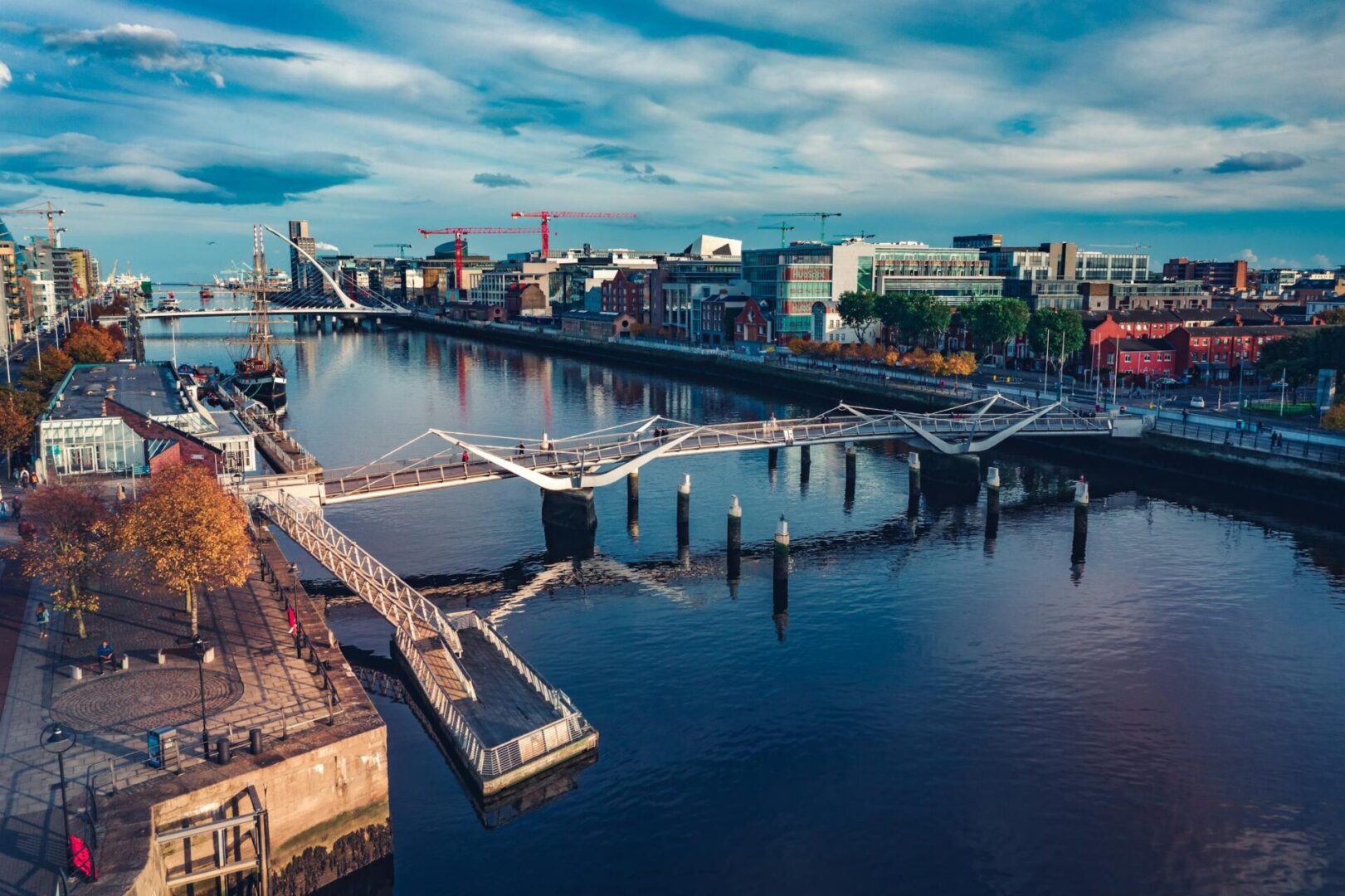
Most flights from the United States arrive in Dublin in the morning. Rather than collecting a car, take a taxi or private transfer straight to your hotel, drop your bags and head out on foot. Dublin is a walkable city, and the best way to beat jet lag is fresh air and daylight.
Start with a gentle loop through the Georgian heart of the city. Stroll through St Stephen’s Green, wander down Grafton Street with its buskers and flower sellers, and continue to Trinity College, Ireland’s oldest university. The Book of Kells Experience shows the famous illuminated manuscript of the four gospels. The Old Library and its Long Room are in the middle of a long restoration, so check what is open when you book.
In the afternoon, cross the River Liffey on the Ha’penny Bridge and head to Temple Bar for a look at the cobbled lanes, then move on to quieter pubs for the evening. Historic Victorian pubs around the city centre often have traditional music without the crowds. Go to bed early. Tomorrow is a full day.
Where to stay in Dublin: for a classic luxury stay, The Merrion and The Shelbourne are both on or beside St Stephen’s Green, a short walk from Trinity College. For a more contemporary feel, boutique hotels around Merrion Square and the Docklands are excellent choices.
Day 2: Dublin’s Highlights
Spend a full day exploring Dublin. Choose two or three of these, depending on your interests, rather than trying to do them all:
- The Guinness Storehouse, a museum about the history and brewing of Ireland’s most famous stout, which ends at a rooftop bar with views across the city.
- The Jameson Distillery on Bow Street, for an introduction to Irish whiskey and a guided tasting.
- Dublin Castle and Christ Church Cathedral, two of the oldest buildings in the city, a short walk apart.
- EPIC The Irish Emigration Museum, a moving and very interactive look at the Irish diaspora. It is a must for anyone tracing Irish roots.
- Kilmainham Gaol, the former prison where leaders of the Easter Rising were held. It is one of the most powerful historical sites in the country.
- The National Gallery and National Museum of Archaeology, both free, with Celtic gold, Viking artefacts and Irish art.
If you would rather leave the city, Dublin has excellent day trips. The coastal village of Howth has cliff walks and fresh seafood, and the Wicklow Mountains and the monastic site of Glendalough are close enough for a half day. Both are easy with a private driver.
In the evening, book dinner at one of Dublin’s excellent restaurants and finish with a traditional music session.
Day 3: Kilkenny, the Rock of Cashel and on to Killarney
Today you cross Ireland from east to west. This is the longest travel day of the trip, but it is broken up by two of the most impressive historic sites in the country.
Head south-west from Dublin to Kilkenny, a beautifully preserved medieval city. Walk the Medieval Mile from Kilkenny Castle, set in its riverside parkland, to St Canice’s Cathedral and its round tower. Stop for coffee in one of the craft shops and cafés along the way.
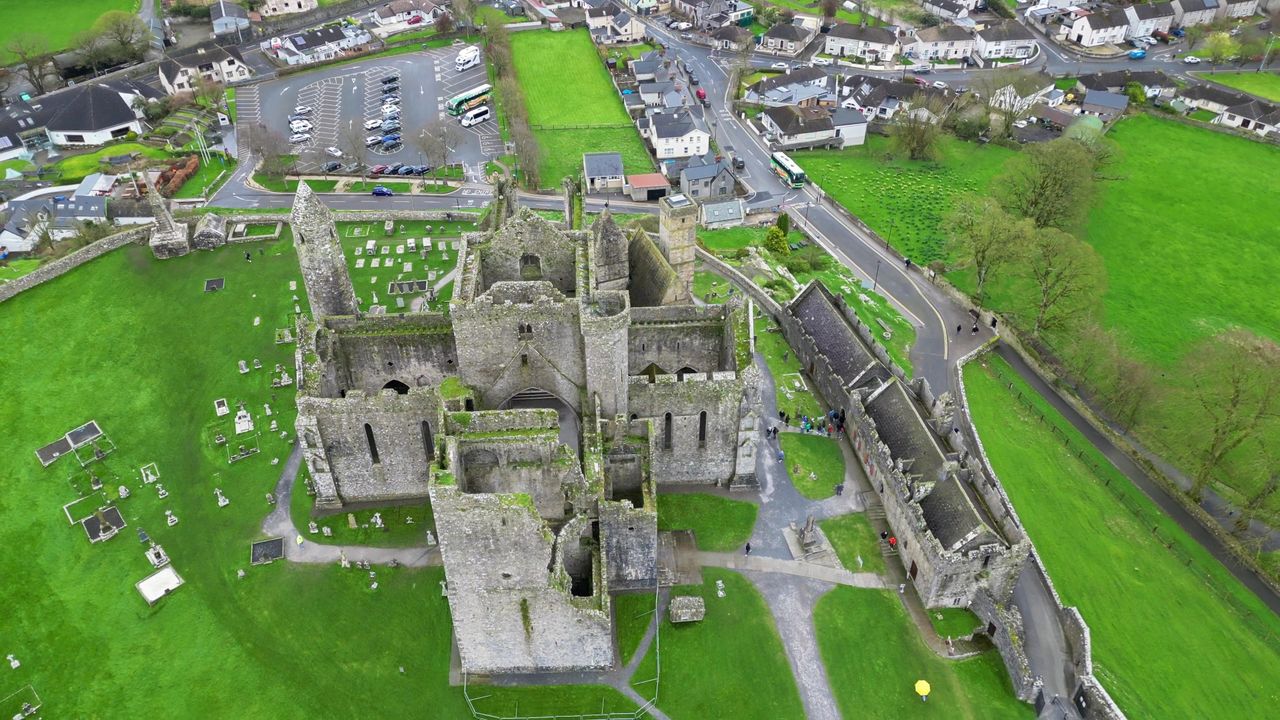
Continue to the Rock of Cashel, a dramatic cluster of medieval buildings on a limestone outcrop above the town of Cashel. It was once the seat of the kings of Munster before it was given to the church, and today its ruined cathedral, round tower and chapel are among the most photographed sights in Ireland. Take the guided tour if it is running. Below the Rock, the ruins of Hore Abbey sit quietly in a field and are worth the short walk.
From Cashel, it is a scenic drive to Killarney, where you will spend the next two nights. Arrive in time for dinner in town, where pubs with live music are easy to find.
Where to stay in Killarney: stay on the edge of Killarney National Park or near the lakes. Hotels around Lough Leane offer mountain views, spas and easy access to the park. Sheen Falls Lodge in nearby Kenmare is a peaceful alternative.
Day 4: Killarney National Park and the Ring of Kerry
Today is about the scenery that made Ireland famous. Begin in Killarney National Park, Ireland’s first national park, which wraps around the town with lakes, woodland and mountains.
Start at Ross Castle on the shore of Lough Leane, then visit Muckross House and its gardens. A traditional jaunting car, a pony and trap driven by a local “jarvey”, is a lovely way to see the park. Torc Waterfall is a short walk from the road and makes a good stop before the climb to Ladies View, one of the finest viewpoints in the country.
From there, continue onto the Ring of Kerry, the scenic loop around the Iveragh Peninsula. Highlights include the colourful town of Kenmare, the ancient Staigue Stone Fort, the golden sands of Derrynane Beach, and the Kerry Cliffs and Valentia Island at the western tip. Large tour coaches travel the Ring anticlockwise, and many independent travellers go clockwise so they are not stuck in a line behind them. A private driver will know the best direction for the day you travel.
The full loop is a long day. If you would rather go slower, explore Killarney National Park in the morning and drive only part of the Ring in the afternoon.
In summer, and only when the sea allows, boats sail from Portmagee to Skellig Michael. This is a dramatic island monastery and a World Heritage Site. Landing places are very limited and depend on the weather, so this is an experience to plan well ahead and treat as a bonus rather than a certainty.
Return to Killarney for the night.
Day 5: The Dingle Peninsula
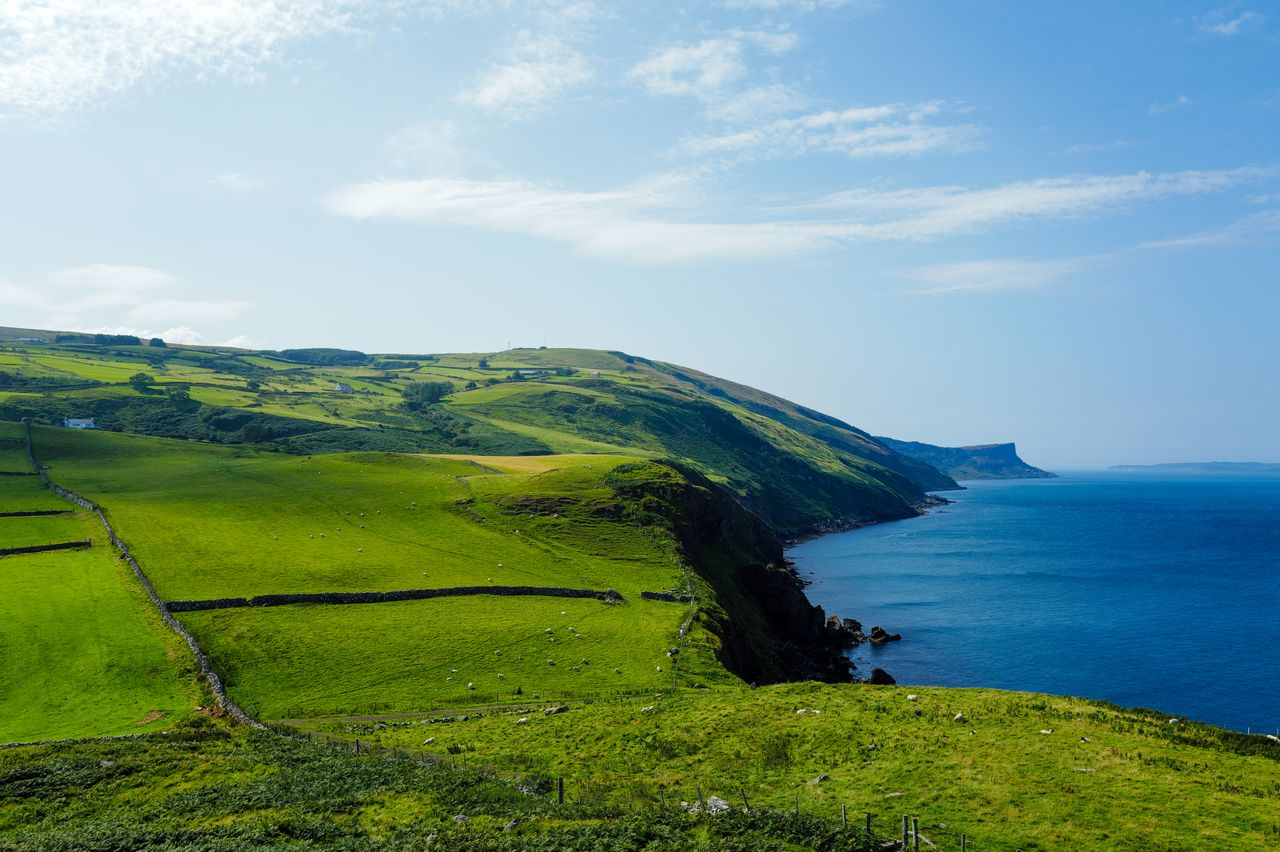
Leave Killarney after breakfast and head to the Dingle Peninsula, which many travellers say is their favourite part of Ireland. It is wilder and less crowded than the Ring of Kerry, with beehive huts, early Christian sites and views out to the Blasket Islands.
Stop at Inch Beach, a long strand of sand popular with surfers. Then continue to Dingle town, a colourful fishing port full of craft shops, seafood restaurants and some of the best pubs in Ireland. Many of them double as hardware stores or shoe shops by day.
From Dingle, follow the Slea Head Drive around the tip of the peninsula. Stop at the beehive huts, the viewpoints over the Blasket Islands, and Coumeenoole Beach. Visit the Blasket Centre in Dunquin to learn about the island community that lived there until the middle of the last century, then stop at the Gallarus Oratory, an early Christian stone church.
Slea Head Drive is narrow and is traditionally driven clockwise. If you are self-driving, take it slowly. Avoid the Conor Pass, the high mountain road out of Dingle, if you are nervous on narrow roads.
In the late afternoon, continue north towards County Clare. You can cross the Shannon estuary on the Tarbert to Killimer car ferry, a short and scenic crossing that saves a long drive around the river. Spend the night in Adare, a picturesque village of thatched cottages in County Limerick, or continue to a castle hotel in Clare.
Where to stay: Adare Manor, a Gothic Revival manor with a championship golf course, is one of the finest hotels in Europe. For a true castle night, Dromoland Castle in County Clare is close to Shannon Airport. It fits neatly into this route and also works well as the final night of a 10-day trip.
Day 6: The Cliffs of Moher, the Burren and Galway
Today you follow the Wild Atlantic Way north through County Clare. Your first stop is the Cliffs of Moher, the most visited natural attraction in Ireland. The cliffs rise sheer from the Atlantic, and on a clear day you can see the Aran Islands out at sea. Book tickets online for an arrival time slot. Arrive early in the morning or later in the afternoon to avoid the busiest hours. If the weather is good, a boat trip from Doolin shows the cliffs from below.
Stop for lunch in Doolin, a small village known for traditional music. Then continue into the Burren, a strange and beautiful limestone landscape where Arctic, Alpine and Mediterranean plants grow side by side. Stop at the Poulnabrone portal tomb, a prehistoric burial monument standing alone in the stone landscape. If the weather turns, visit Aillwee Cave.
On the way to Galway, stop at Dunguaire Castle on the shore of Galway Bay, one of the most photogenic tower houses in Ireland.
Arrive in Galway in the early evening. Galway is Ireland’s cultural capital, a lively, colourful city of buskers, festivals and pubs. Spend the evening in the Latin Quarter, where traditional music sessions run every night of the week.
Where to stay in Galway: stay in or near the Latin Quarter if you want to walk everywhere. For a quieter, more luxurious base, Glenlo Abbey just outside the city has lakeside grounds and a golf course.
Day 7: Galway and Home
Spend your final morning exploring Galway on foot. Walk down Shop Street to the Spanish Arch and along the river to the Claddagh, the old fishing village that gave its name to the Claddagh ring. Visit the Galway Cathedral and the Galway City Museum, then stop for a final lunch of oysters or chowder.
If you are flying home from Shannon, the airport is an easy drive south from Galway. If you are flying from Dublin, the motorway takes you straight back across the country. Plan to leave Galway in good time and allow for traffic around Dublin.
Have one more night? Spend it at Dromoland Castle near Shannon Airport. You can sleep like royalty on your final night and arrive at the airport rested the next morning.
The 10-Day Ireland Itinerary
With 10 days, you can follow the 7-day route above at a slower pace and add one of two extensions: the wild west of Connemara and Mayo, or the Causeway Coast and Belfast in Northern Ireland. Here is how the full 10-day Ireland itinerary flows with the Connemara option. The Northern Ireland alternative follows below.
Days 1 to 2: Dublin
Follow Day 1 and Day 2 of the 7-day itinerary. With more time, add a half-day trip to Glendalough and Powerscourt Estate in the Wicklow Mountains. Powerscourt is one of the great gardens of Ireland, with terraces, a Japanese garden and the tallest waterfall in the country nearby.
Day 3: Kilkenny and the Rock of Cashel
As on the 7-day route, travel through Kilkenny and Cashel. With more time, spend the night in Kilkenny or at Mount Juliet Estate nearby rather than continuing straight to Killarney. This breaks the long cross-country drive into two relaxed days.
Day 4: Cobh, Kinsale or Blarney on the Way West
Continue south-west, choosing one or two stops on the way to Killarney:
- Cobh, the colourful harbour town that was the last port of call of the Titanic, with the Titanic Experience museum in the old White Star Line ticket office and the striking St Colman’s Cathedral above the town.
- Kinsale, a pretty harbour town known as one of the food capitals of Ireland, with Charles Fort guarding the harbour mouth.
- Blarney Castle, home of the Blarney Stone and extensive gardens that many visitors find even more memorable than the stone itself.
Arrive in Killarney for the next three nights.
Days 5 to 6: Killarney, the Ring of Kerry and the Dingle Peninsula
With two full days based in Killarney, spend one exploring the national park and the Ring of Kerry, and one on the Dingle Peninsula, returning to the same hotel each evening. Alternatively, spend the night of Day 6 in Dingle itself, which gives you an evening of music in the town’s famous pubs.
If you love the outdoors, swap part of a day for a trip through the Gap of Dunloe, a narrow mountain pass you can walk, cycle or travel by jaunting car, finishing with a boat ride back across the lakes to Ross Castle.
Day 7: Cliffs of Moher and the Burren
Follow Day 6 of the 7-day route, but spend the night in County Clare rather than racing on to Galway. A night in Doolin or Ballyvaughan lets you hear traditional music in a village pub and catch the Cliffs of Moher in the soft evening light.
Day 8: Galway
Spend a full day in Galway. In good weather, take the ferry to Inis Mór, the largest of the Aran Islands. Rent a bike or join a local minibus tour. The island’s stone walls, sea cliffs and the prehistoric fort of Dún Aonghasa feel like a step back in time.
Day 9: Connemara and Ashford Castle
Leave Galway and head west into Connemara, a landscape of mountains, bogs, lakes and empty beaches. Drive the Sky Road loop outside Clifden for views out over the Atlantic islands. Visit Kylemore Abbey, a castle-like Benedictine abbey on the shore of a lake, with a Victorian walled garden. Continue past Killary Harbour, one of Ireland’s few fjords, and on to the village of Cong.
Spend the night at Ashford Castle on the shore of Lough Corrib. Ashford is regularly named one of the finest hotels in the world. On the estate, you can try falconry, archery, clay shooting, horse riding or a boat trip on the lough. If you only spend one night in a castle in Ireland, make it this one.
Day 10: Home via Shannon or Dublin
After a slow breakfast at the castle, travel to Shannon Airport, an easy drive south, or back to Dublin across the midlands. Both airports have United States customs preclearance. You complete US immigration and customs in Ireland before you board, and you arrive home as a domestic passenger. It is one of the most underrated perks of flying home from Ireland.
The Northern Ireland Alternative
If you would rather see the Causeway Coast than Connemara, follow the 7-day route to Galway, then travel north. The Giant’s Causeway is a World Heritage Site of tens of thousands of interlocking basalt columns stepping into the sea. It sits on one of the great coastal drives of the world, alongside the clifftop ruins of Dunluce Castle and the Carrick-a-Rede rope bridge. Game of Thrones fans will recognise the Dark Hedges, an avenue of beech trees nearby.
Finish in Belfast with a visit to Titanic Belfast, the museum built beside the shipyard where the Titanic was designed and built. A black taxi tour gives you a personal introduction to the city’s recent history. From Belfast, it is a straightforward journey back to Dublin Airport.
A few practical notes for crossing into Northern Ireland: it is part of the United Kingdom, so it uses pounds sterling rather than euros, and road signs switch from kilometres to miles. There are no border checks on the roads between the Republic and Northern Ireland. If you are self-driving, tell your rental company you plan to cross. For help choosing between the two capitals, read our guide to Dublin vs Belfast.
Short on Time? The 5-Day Ireland Itinerary
If you only have 5 days in Ireland, do not try to see the whole country. Focus on Dublin and one region of the west so you spend your time exploring rather than driving.
Day 1: Dublin. Arrive, settle in and explore the city centre on foot, with an evening of traditional music.
Day 2: Dublin to Killarney via the Rock of Cashel. Cross the country, stopping at the Rock of Cashel on the way.
Day 3: Killarney and the Ring of Kerry. Explore Killarney National Park in the morning and the Ring of Kerry in the afternoon.
Day 4: The Dingle Peninsula to County Clare. Drive the Slea Head loop, then take the Shannon ferry north for a night near the Cliffs of Moher or at Dromoland Castle.
Day 5: Cliffs of Moher and home from Shannon. See the cliffs early in the morning before the crowds, then fly home from Shannon.
If you would rather stay in the east, a 5-day Ireland itinerary can also be built around Dublin with day trips to Glendalough, Kilkenny, the Boyne Valley’s prehistoric tombs at Newgrange, and the coastal villages of Howth and Dalkey. You would never change hotels, which is ideal with young children or older travelers.
Have Two Weeks? How to Extend Your Ireland Itinerary
Two weeks in Ireland lets you see most of the island without ever feeling rushed. The simplest way to build a two-week Ireland itinerary is to combine the 10-day route above with one of the regions below.
Add Northern Ireland and Donegal. After Connemara, continue north through County Sligo, the land that inspired the poet W. B. Yeats, with the flat-topped mountain of Benbulben rising over the coast. Continue into Donegal for the towering sea cliffs of Slieve League and the wild beauty of Glenveagh National Park. From there, cross into Northern Ireland for the walled city of Derry, the Causeway Coast and Belfast, then return to Dublin.
Add the Ancient East. Slow down in the east and south-east with time in the Boyne Valley, where the passage tomb at Newgrange is older than the pyramids of Egypt. Add the Viking city of Waterford and the House of Waterford Crystal, the sandy coast of Wexford, and the Copper Coast geopark.
Add a slow stay in one place. Many of our repeat travellers use the extra days to rent a cottage or stay at a single country house for several nights, often in Kerry, West Cork or Connemara. Walking, cycling, a cookery class, a day on the water and evenings in the local pub can be the most memorable part of the whole trip.
Ireland Itinerary Ideas by Travel Style
The routes above suit most first-time visitors, but the best Ireland itinerary is shaped around who is travelling. Here is how our advisors adjust the plan for different kinds of trips.
Families with Children

Children love Ireland’s castles, farms and beaches, but they rarely love long days in a car. Choose fewer bases and stay longer in each one. Killarney and Galway are excellent family bases. Build in hands-on experiences: a sheepdog demonstration, a jaunting car ride through Killarney National Park, the Bunratty Castle and Folk Park near Shannon, and the Aillwee Cave and its birds of prey centre in the Burren. Many castle hotels, including Ashford and Dromoland, welcome families with falconry, archery and outdoor activities designed for younger guests. A private driver with a family-sized vehicle makes the travel days far easier, since no parent has to navigate narrow roads while the back seat negotiates snacks. Read more about planning family vacations with a specialist.
Honeymooners and Couples
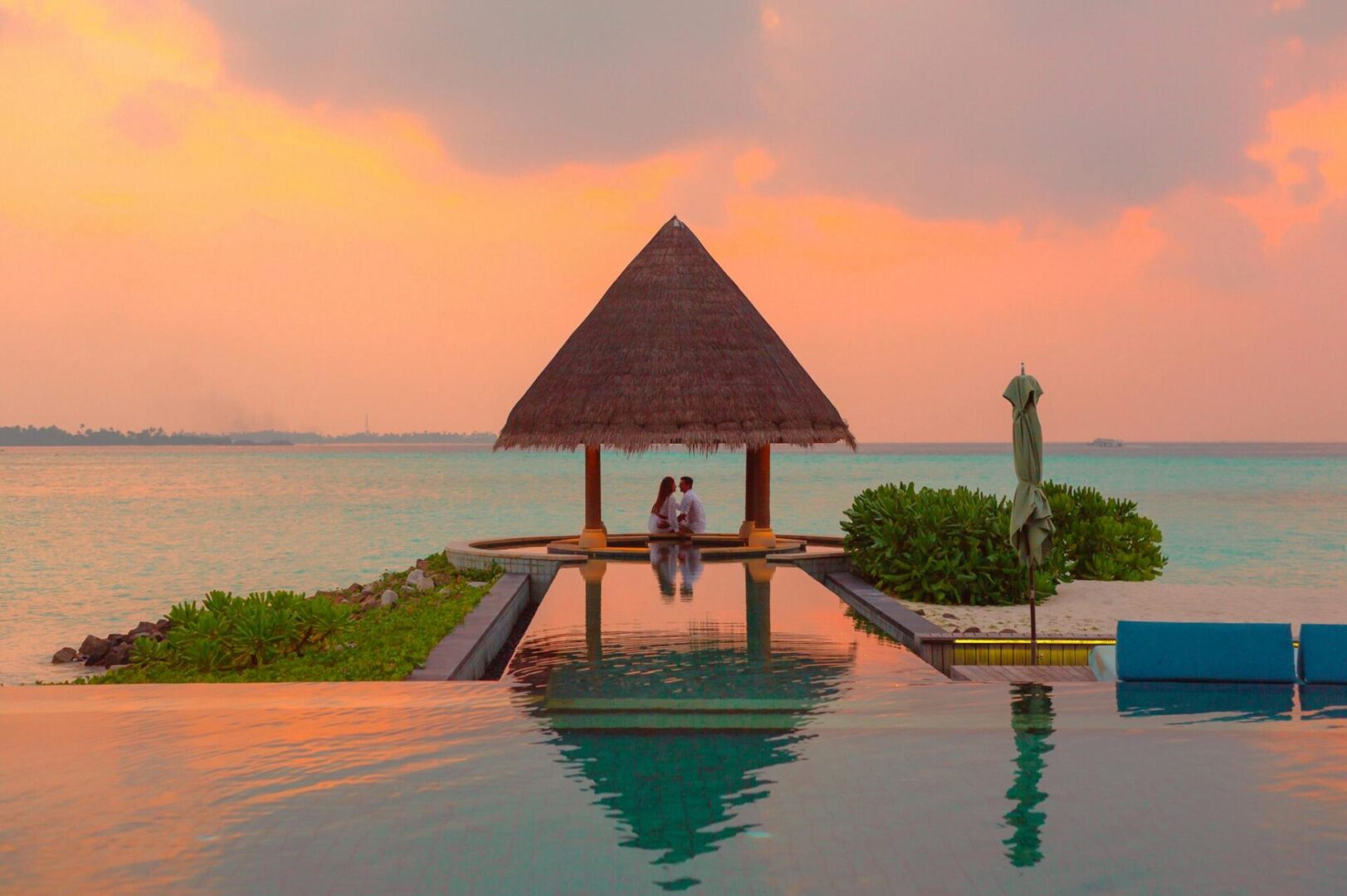
For couples, Ireland is about romance and slow luxury: firelit pubs, coastal walks and nights in castles and country houses. Swap one of the busier city nights for an extra night at Ashford Castle, Adare Manor or Ballyfin, and plan a private dinner or a spa afternoon. A private driver means you can both enjoy whiskey tastings and long lunches. The Dingle Peninsula and Connemara are especially romantic for their empty beaches and dramatic views. Explore our honeymoon travel planning.
Golf Trips
Ireland is home to some of the most celebrated links courses in the world. A golf-focused itinerary usually swaps some sightseeing days for tee times along the south-west coast, in County Clare and in the north-west, with luxury stays at golf resorts such as Adare Manor. Tee times on the most famous courses are limited and need to be booked well in advance, and a private driver who knows the courses is almost essential when you are carrying clubs.
Multigenerational and Senior Travellers
When grandparents, parents and children travel together, the pace matters more than the list of sights. Choose two or three comfortable bases with accessible hotels, plan shorter travel days, and use a private driver so everyone travels together in comfort. Places like the Cliffs of Moher visitor centre have paved paths and accessible viewing areas, while many castles and country houses offer ground-floor rooms. Leave afternoons free for rest, and plan one special shared experience, such as a castle dinner or a private music session.
Ancestry and Heritage Trips
Millions of Americans have Irish roots, and visiting an ancestral county can be the emotional heart of a trip. Gather everything you can before you travel: family names, the county or parish, and dates of emigration. With that information, your itinerary can include the county your family came from, a visit to a local heritage centre or genealogy service, and EPIC The Irish Emigration Museum in Dublin or the emigration exhibits in Cobh. Many travelers say walking in the place their family left is the moment they remember most.
Where to Stay: Castle and Manor Nights Along the Route
Ireland has thousands of castles, and a handful of the most spectacular are now luxury hotels. A castle night is the experience many travellers remember most from their trip, and it is easy to work one into any of the itineraries above. These are the castle and manor stays our advisors build routes around most often. For a broader list, see Tourism Ireland’s guide to castles you can stay in.
Ashford Castle, County Mayo. Set on the shore of Lough Corrib near the village of Cong, Ashford is the grande dame of Irish castle hotels. It has a school of falconry, a spa, a cinema, lakeside walks and some of the finest dining in the country. It fits perfectly at the end of a 10-day itinerary through Connemara.
Dromoland Castle, County Clare. A fairytale castle hotel close to Shannon Airport, Dromoland is ideal for the first or last night of a trip that flies through Shannon. The estate offers golf, falconry, clay shooting and woodland walks.
Adare Manor, County Limerick. A Gothic Revival manor house in one of Ireland’s prettiest villages, with a championship golf course, a spa and award-winning restaurants. It fits easily between Kerry and Clare.
Ballyfin Demesne, County Laois. A restored Regency mansion with very few rooms, set in vast parkland in the Irish midlands. It is a beautiful pause on the drive between Dublin and the west, and it feels like being a guest in a private country house.
Lough Eske Castle, County Donegal. For travellers extending into the north-west, this castle hotel near Donegal town is a peaceful base with a spa and forest walks.
Kilkea Castle, County Kildare. One of the oldest inhabited castles in Ireland, an easy drive from Dublin. It works well on the first night of a trip or as a base for exploring the east.
Castle hotels book up early, particularly in summer and around weddings, which are popular on many of these estates. If a castle night is important to you, reserve it first and build the rest of your Ireland itinerary around it.
Read more about the castles worth visiting by day in our guide to the best castles to visit in Ireland, and the myths and legends behind many of them in Irish legends and myths you can visit today.
When to Go
Ireland is a year-round destination, but the season changes the feel of your trip.
Late spring (April to early June) is our favourite time for a first visit. Days are long, the countryside is at its greenest, gardens are in bloom and the busiest summer crowds have not yet arrived.
Summer (late June to August) brings the longest days, the warmest weather and festivals in Galway and across the country. It is also the busiest time, especially at the Cliffs of Moher and on the Ring of Kerry, so book hotels, cars and drivers well ahead.
Autumn (September and October) is quieter and often surprisingly settled, with golden light and fewer coaches on the scenic routes.
Winter (November to March) is quiet and atmospheric, with cosy pubs and festive Christmas markets in Dublin and Galway. Days are short and some seasonal attractions close, so focus on cities and a slower pace. March brings St Patrick’s Day, which is a wonderful time to be in Dublin if you book early.
Whatever the season, pack for changeable weather. A light waterproof jacket and comfortable walking shoes matter more than anything else in your suitcase. For a month-by-month breakdown, see our guide to the best time to visit Ireland.
Getting to Ireland from the United States
Ireland is one of the easiest European destinations to reach from the United States. Nonstop flights to Dublin leave from many major American cities on the East Coast, in the Midwest and on the West Coast, and Shannon has nonstop service from several East Coast hubs. Most eastbound flights leave in the evening and arrive in Ireland the next morning, which is why every itinerary in this guide starts with a gentle first day.
Choose your airports with your route in mind. If you follow the 7-day or 10-day route, flying into Dublin and home from Shannon is ideal. If you plan to add Northern Ireland, flying in and out of Dublin works well, since Belfast is an easy journey from the capital.
Use the preclearance advantage. Because both Dublin and Shannon offer US customs preclearance, you clear American immigration and customs before boarding your flight home. Arrive at the airport with extra time to allow for this, and enjoy walking straight out of the terminal when you land in the United States.
Plan your first and last nights carefully. A hotel close to the airport, or a castle such as Dromoland near Shannon, takes the pressure off an early departure. On arrival, a private transfer to your hotel means you are not navigating a new city, or driving on the left, after a night on a plane.
Practical Tips for Your Ireland Trip
- Entry: US citizens do not need a visa for a tourist trip to Ireland, but your passport must be valid for your whole stay. Ireland is not part of the Schengen area, so a trip combining Ireland with mainland Europe involves separate entry rules.
- Money: the Republic of Ireland uses the euro, and Northern Ireland uses pounds sterling. Cards are accepted almost everywhere, including in rural pubs.
- Power: Ireland uses the three-pin plug common in the United Kingdom, which is different from the plugs used in the rest of Europe. Pack the right adapter.
- Tipping: tipping is appreciated but not expected in the way it is in the United States. A modest tip for good table service in restaurants is standard. Tipping at the bar is not.
- Pubs and music: traditional music sessions usually start later in the evening. Ask at your hotel which pubs have sessions that night.
- Booking ahead: reserve the Cliffs of Moher, the Book of Kells Experience, the Guinness Storehouse and boat trips in advance in busy months.
- Pace yourself: the most common mistake is planning too much driving. Two nights in each base makes a trip feel twice as relaxed.
You will find more answers on our Ireland FAQs page, including rules for driving on the left and what to pack.
What to Eat and Drink Along the Route
Food is one of the great surprises of a trip to Ireland. The country has moved far beyond its old reputation, and the produce, seafood and dairy are outstanding almost everywhere you go. Here is what to look out for on each stage of this Ireland itinerary.
In Dublin, try a classic Irish breakfast, a bowl of Guinness beef stew in a historic pub, and modern Irish cooking in the city’s restaurants, many of which build their menus around small Irish farms and fishermen. Save time for a whiskey tasting, whether at a distillery or in a pub with a long whiskey list.
In Kilkenny and the south-east, look for local cheeses, craft beer and farm-to-table restaurants in the medieval streets.
In Cork and Kinsale, visit the English Market in Cork city, one of the oldest covered markets in Europe, and book a seafood dinner in Kinsale, which has long been known as a food lovers’ town.
In Kerry and Dingle, order seafood chowder with brown soda bread, fresh fish landed at Dingle harbour, and a scoop of Murphy’s ice cream, a Dingle ice cream maker known for flavours such as sea salt made from Dingle seawater.
In Clare and Galway, try Galway Bay oysters, especially during the autumn oyster season, and smoked salmon from the west coast. Galway’s food scene is lively and creative, with everything from casual seafood bars to some of the most celebrated restaurants in the country.
In Connemara and Mayo, look for Connemara lamb raised on the mountain grasslands, and finish with a castle dinner at Ashford.
Pubs are the heart of Irish social life, and you do not need to drink alcohol to enjoy them. Most serve food during the day, welcome families in the early evening, and offer tea, coffee and soft drinks alongside the pints. The best evenings often happen when a traditional session starts up in the corner and the room joins in.
Common Mistakes on a First Ireland Itinerary
Our advisors see the same planning mistakes again and again. Avoid these, and your trip will feel calmer and richer.
Trying to see the whole island in a week. Ireland rewards depth over distance. A 7-day trip that covers Dublin, Kerry, Clare and Galway well is far better than one that races around every county and spends most of each day on the road.
Changing hotels every night. Packing and unpacking eats into your best hours. Two nights in each base gives you whole days to explore without your luggage.
Planning to drive on the first day. After an overnight flight, jet lag and driving on the left are a risky combination. Spend your first day in Dublin on foot, and start driving the next morning, or let a private driver handle the journey.
Skipping the small places. The famous sights are famous for good reason, but many travellers remember a village pub, a quiet ruined abbey or a conversation with a farmer just as vividly. Leave space in each day for the unplanned.
Leaving castle hotels until last. The best castle hotels, private drivers and summer tee times book up months ahead. Reserve the experiences that matter most to you first.
Ignoring the weather. Irish weather changes quickly, often several times a day. Build flexible days into your route, so you can swap an outdoor day for a museum or distillery visit and go back when the sun returns.
Packing for one season. Even in summer, bring layers, a waterproof jacket and comfortable, water-resistant walking shoes. A light sweater is useful in every month of the year.
Advisor Tips: What Our Ireland Specialists Wish First-Timers Knew
Build the trip around your bases, not your stops. Choose where you will sleep first, ideally for two nights at a time. The stops between them fall naturally into place.
Do not underestimate the roads. A route that looks short on a map can take far longer on narrow country roads, especially behind a tractor or a tour coach. Leave room in every day for the unexpected, because in Ireland the unexpected is often the best part.
Fly into Dublin and out of Shannon. An open-jaw ticket is often the single easiest way to add half a day of sightseeing to your trip.
Put the castle night where it does the most work. A castle on your final night, close to the airport, means you end your trip on a high and arrive for your flight rested.
Let someone local show you around. Whether it is a private driver, a walking guide in Dublin or a jarvey in Killarney National Park, the people of Ireland are what turn a beautiful trip into a memorable one.
Trace your roots before you go. If you have Irish ancestry, gather family names, counties and parish details before you travel. A specialist can then arrange a visit to a heritage centre or a genealogist in the right county.
How a Travel Specialist Plans an Ireland Itinerary
Many travelers plan Ireland themselves, and the itineraries above are designed to help you do exactly that. But Ireland is also one of the destinations where working with a travel advisor makes the biggest difference, especially if you want a private driver, a castle stay or a trip that spans several generations of a family.
A good Ireland travel specialist will typically:
- Match the route to your pace. They decide how many bases you need, which towns to sleep in and how much travel each day can comfortably hold.
- Arrange a vetted private driver or driver-guide. That includes airport meet-and-greet, door-to-door transfers and local knowledge along the way.
- Secure castle and manor stays. These are often booked with added amenities through preferred-partner programs, such as upgrades when available, breakfast or hotel credits.
- Pre-book timed experiences. The Cliffs of Moher, the Book of Kells, distillery tours, falconry and Skellig boat trips can then fit the route instead of fighting it.
- Plan ancestry visits. A specialist can connect you with heritage centres and genealogists in your family’s county.
- Stay on call during the trip. If weather, a missed connection or a change of plan affects your trip, someone is there to rearrange it.
What to look for in an Ireland travel agent: first-hand experience in Ireland, strong relationships with Irish hotels and driver-guides, clear communication about what is included in their planning service, and full licensing to sell travel. Ask whether they have personally stayed at the hotels they recommend, and whether they will be your point of contact while you are travelling.
The Travel Byrds plans custom Ireland trips for travelers in all 50 states, from first-time 7-day itineraries to castle-to-castle journeys with a private driver. If you would like help turning one of these routes into your own trip, you can talk to an Ireland specialist or explore more of the country on our Ireland travel guide, including Dublin, Killarney and Ireland’s hidden treasures.
Final Thoughts
The best Ireland itinerary is the one that leaves you time to enjoy it. In 7 days, you can see Dublin, the lakes and mountains of Kerry, the wild Dingle Peninsula, the Cliffs of Moher and the music-filled streets of Galway. With 10 days, you can add Connemara and a night at Ashford Castle, or the Causeway Coast and Belfast. Whichever route you choose, plan fewer stops than you think you need, build in two nights in each base, and decide early whether you will drive yourself or let a private driver take the wheel. Do that, and Ireland will give you exactly what it promises: dramatic coastlines, ancient history, warm welcomes and stories you will be telling for years.
FAQ (Q&A)
How many days do you need in Ireland?
For a first visit, seven days is the sweet spot. It is enough to see Dublin, County Kerry, the Cliffs of Moher and Galway at a comfortable pace. With 5 days, focus on Dublin and one region of the west. With 10 days, you can add Connemara or Northern Ireland and stay two nights in most places. Two weeks lets you see most of the island without rushing.
Is 7 days enough to see Ireland?
Yes, 7 days is enough to see the classic highlights of the south and west: Dublin, Kilkenny, the Rock of Cashel, Killarney National Park, the Ring of Kerry, the Dingle Peninsula, the Cliffs of Moher, the Burren and Galway. It is not enough to see the whole island. Leave Northern Ireland and Donegal for a longer trip, or swap them in for Kerry if they matter more to you.
What is the best route for a first trip to Ireland?
The most popular first-time route is a loop from Dublin across to Killarney, around the Ring of Kerry and the Dingle Peninsula, then north through County Clare and the Cliffs of Moher to Galway. Flying into Dublin and home from Shannon avoids a long drive back across the country on your last day.
What can you see in Ireland in 5 days?
In 5 days, you can see Dublin, the Rock of Cashel, Killarney National Park, part of the Ring of Kerry, the Dingle Peninsula and the Cliffs of Moher, flying home from Shannon. If you would rather not change hotels, base yourself in Dublin and take day trips to Glendalough, Kilkenny, Newgrange and the coast.
Can you tour Ireland without a car?
Yes. The easiest way to see Ireland without a car is with a private driver or driver-guide, who handles every transfer and takes you to rural sights that public transport does not reach. Trains and buses connect the major cities, such as Dublin, Cork, Killarney and Galway, and day tours run from each of them. A private driver gives you the freedom of a road trip without driving on the left.
Is it hard to drive in Ireland as an American?
Driving on the left takes some getting used to, and most rental cars are manual unless you reserve an automatic. Motorways are straightforward. The challenge is the narrow, winding rural roads in Kerry, Dingle, the Burren and Connemara, which are often shared with tour coaches and farm vehicles. Many US credit cards also exclude Ireland from rental car coverage, so check before you go.
Should I fly into Dublin or Shannon?
Most transatlantic flights arrive in Dublin, which is a natural place to start. If you can, fly home from Shannon, which is close to the Cliffs of Moher, Galway and Kerry. Both Dublin and Shannon have US customs preclearance, so you complete US entry checks before you board your flight home.
Which direction should you drive the Ring of Kerry?
Large tour coaches travel the Ring of Kerry anticlockwise, and many independent travellers go clockwise so they are not stuck behind a line of coaches. The Slea Head Drive on the Dingle Peninsula is traditionally driven clockwise. A private driver will choose the best direction for the conditions on the day.
Can I add Northern Ireland to a 7-day Ireland itinerary?
You can, but it means trading part of the south-west. A 7-day trip that includes Northern Ireland usually combines Dublin, Belfast, the Causeway Coast and Galway or Donegal, and skips Kerry. To see both the Ring of Kerry and the Giant’s Causeway without rushing, plan 10 days or more.
Is it worth staying in a castle in Ireland?
For many travelers, a castle night is the highlight of the trip. Hotels such as Ashford Castle, Dromoland Castle and Adare Manor combine historic settings with excellent dining, spas and estate activities such as falconry and archery. Book them first, since they fill early, and place them where they fit the route naturally, such as near Shannon on your final night.
What is the best time of year for an Ireland trip?
Late spring, from April to early June, and early autumn in September are ideal for a first visit. You get long days, green countryside and fewer crowds than in summer. July and August are the busiest months. Winter is quiet and atmospheric but has short days, and some attractions close for the season.
Do I need a travel agent to plan a trip to Ireland?
You do not need one, but a specialist adds the most value when your trip includes a private driver, castle stays, an ancestry visit or several generations of travelers. A good Ireland travel advisor matches the route to your pace, arranges vetted drivers and timed tickets, books hotels with added perks where available, and is on call if plans change during your trip.