A river cruise and an ocean cruise share a word, but they are very different vacations. On an ocean cruise, the ship is a floating resort that carries you between coastlines and islands. On a river cruise, a small ship glides through the heart of a region, and the towns along the banks are the main event. One is not better than the other. The right choice depends on how you like to travel, who you are travelling with, and what you want to see.
This guide compares the two side by side, covering ship size, cabins, dining, excursions, pace, what is included and who each suits, so you can choose with confidence.
The Short Answer
Choose a river cruise if you want culture, history, food and wine, docking in the centre of town, calm water and a relaxed, adult atmosphere, especially in Europe. Choose an ocean cruise if you want beaches and islands, lots of onboard entertainment and dining choices, sea days to relax, kids’ clubs, or destinations like the Caribbean, Alaska or the Mediterranean coast. First-time cruisers who dislike crowds often prefer a river cruise; families with young children usually do better at sea.
River Cruise vs Ocean Cruise at a Glance
| River cruise | Ocean cruise | |
|---|---|---|
| Ship size | Small; most European river ships carry under two hundred guests | From small luxury ships to large resort ships carrying thousands |
| Atmosphere | Quiet, social and adult-oriented | Ranges from lively and family-focused to quiet and luxurious |
| Where it goes | Inland rivers: Danube, Rhine, Seine, Douro, Rhône, plus the Nile, Mekong, Amazon and US rivers | Coasts, islands and open sea: Caribbean, Alaska, Mediterranean, Northern Europe, the South Pacific and more |
| Docking | Usually in the centre of town, often within walking distance of the sights | Commercial cruise ports, sometimes a drive from the main sights; some ports use tender boats |
| Days at sea | Almost none; most sailing happens at night or along scenic stretches | Common, especially on longer itineraries |
| Cabins | Smaller; all face the water; French balconies or full balconies on newer ships | Wide range, from inside cabins to large suites with private balconies |
| Dining | One main restaurant plus a lounge or small alternative venue | Many restaurants, buffets, cafés and specialty dining |
| Entertainment | Low-key: a pianist, local performers, lectures and tastings | Theatres, shows, casinos, pools, water parks and spas |
| Excursions | Guided walking tours often included in each port | Wide choice of excursions, usually sold separately |
| Motion | Very calm; seasickness is rarely an issue | Open water can be rough at times |
| Best for | Culture and history lovers, wine and food lovers, couples, solo travellers, mature travellers | Families, beach lovers, groups who want variety, travellers who enjoy the ship itself |
The Biggest Difference: Is the Ship or the Destination the Star?
On a big ocean ship, the ship itself is a destination, with pools, shows, dozens of dining choices and days at sea to enjoy it all. Many guests choose an ocean cruise as much for the ship as for the ports.
On a river cruise, the ship is a comfortable floating hotel that moves while you sleep or dine. Days are spent ashore in a new town, and evenings bring a quiet dinner and a view of the riverbank sliding by. You unpack once and wake up somewhere new almost every morning, which is why many travellers describe river cruising as a land tour without the hotel changes.
Ship Size and Atmosphere
European river ships are long and narrow so they fit through locks and under low bridges, which keeps guest numbers small. You will see the same faces at dinner and on tours, which makes it easy to meet people and makes the ship feel like a boutique hotel. There is not much space to “get lost”, though, and public areas are usually a main lounge, a sun deck and the restaurant.
Ocean ships range much more widely. A small luxury or expedition ship can feel as intimate as a river ship, while a large resort ship carries thousands of guests and has neighbourhoods, theatres and water parks. If you like choice and energy, that size is a plus. If you dislike queues and crowds, it may not be.
Cabins: Smaller on the River, More Choice at Sea
River ship cabins are usually smaller than ocean ship cabins, but every one faces the water. Many have a French balcony (floor-to-ceiling sliding doors with a railing), and newer ships add full balconies or suites. Lower-deck cabins sit at water level with high, fixed windows.
Ocean ships offer far more variety: inside cabins, ocean-view cabins, balconies, multi-room suites and family cabins that sleep four or more. For families or anyone who wants space to spread out, an ocean ship usually wins.
Dining and Drinks
River cruise: Most meals are in one main restaurant, with breakfast and lunch buffets and a served dinner. Menus lean on the regions you sail through, such as Austrian pastries on the Danube, Riesling on the Rhine and port wine on the Douro. Many lines include wine, beer and soft drinks with lunch and dinner.
Ocean cruise: Large ships offer main dining rooms, buffets, casual cafés and specialty restaurants, from steakhouses to sushi. Drinks are often extra unless you choose an all-inclusive line or add a drinks plan.
Shore Excursions and Port Days
River cruises are port-intensive. Most days include a guided walking tour of the town, often included in the fare, with optional extras such as a winery visit, a bike ride or a concert. Because ships usually dock in the centre of town, you can also simply walk off and explore on your own.
Ocean cruises offer a wider menu of excursions, from snorkelling and helicopter tours to food walks, but they are usually priced separately. Some ports are far from the main sights, and a few need tender boats to reach the shore. Sea days balance out the busy port days.
Entertainment and Onboard Life
Evenings on a river cruise are quiet: a pianist in the lounge, a local folk group or a talk about tomorrow’s town. Some lines add cooking demonstrations, tastings and a sun-deck walking track. If you want Broadway-style shows, nightclubs or a casino, an ocean ship is the better fit. If you would rather go to bed early ready for a morning walking tour, the river suits you.
What Is Usually Included
The fares are hard to compare directly because they cover different things. River cruise fares often include more of the trip: a guided excursion in most ports, wine and beer with meals, Wi-Fi and sometimes gratuities. Ocean cruise fares often start lower but leave out drinks, specialty dining, excursions, Wi-Fi and gratuities, though luxury ocean lines include much more. The fair comparison is the total cost of the trip you actually want, not the starting fare. A travel advisor can lay two options side by side so you can see the real difference.
Where Each Can Take You
Popular river cruises

- Danube: Germany, Austria, Slovakia and Hungary, with Vienna, the Wachau Valley and Budapest.
- Rhine and Moselle: castles, vineyards and medieval towns from Switzerland to the Netherlands.
- Seine: Paris, Normandy’s beaches and Monet’s garden at Giverny.
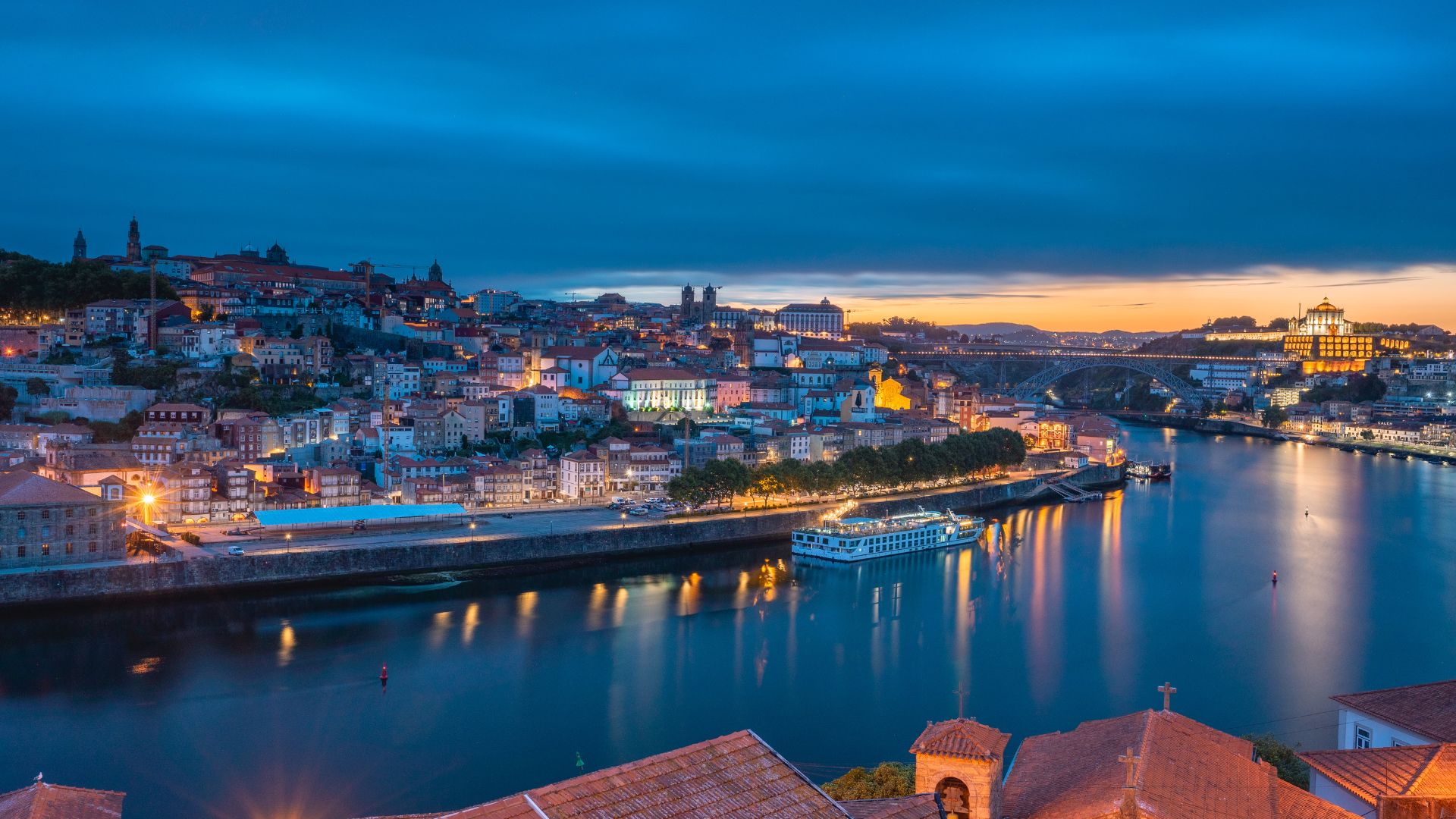
- Douro: Portugal’s terraced port-wine country.
- Rhône and Saône: Provence and Burgundy, with Lyon’s food scene.
- Beyond Europe: the Nile in Egypt, the Mekong in Vietnam and Cambodia, the Amazon, the Mississippi and the Columbia and Snake rivers in the Pacific Northwest. Japan also has a small number of river and canal cruise options.
Popular ocean cruises
- Caribbean and the Bahamas: beaches, snorkelling and island hopping. See our Caribbean cruise planning page.
- Mediterranean: Spain, France, Italy, Greece and Croatia. Read Eastern vs Western Mediterranean or see our Mediterranean cruise page.
- Alaska: glaciers, wildlife and the Inside Passage, including small-ship Alaska expedition cruises.
- Northern Europe and the British Isles: Norway’s fjords, Iceland, Scotland and the Baltic.
- Long-haul and expedition: the South Pacific, Asia, Antarctica and world cruises.
Things to Know Before You Choose
River water levels: Rivers rise and fall with the seasons. After a dry summer or heavy spring rain, some stretches can become hard to navigate. Cruise lines then swap passengers between ships, adjust the route or replace a sailing day with a coach transfer. It doesn’t happen often, but it is worth knowing, and travel insurance and an advisor who can rebook quickly both help.
Mobility and accessibility: River ships often have limited lifts, and when several ships dock together you may have to walk through another ship to reach the shore. Old towns bring cobblestones and steps. Ocean ships generally offer more accessible cabins and step-free routes, so travellers with limited mobility often find them easier.
Seasickness: Rivers are calm, so motion sickness is rarely a problem. On the ocean, larger ships and mid-ship, lower-deck cabins help, but open water can still be rough in some regions and seasons.
Travelling with children: Most river cruises have no kids’ clubs and attract mainly adult travellers, though a few lines run family-focused sailings in summer. For young children, an ocean cruise with family cabins, pools and supervised clubs is usually the better choice. See our family vacation planning.
Pace: River cruise days start early, with tours often leaving after breakfast, and most days are spent walking. Ocean cruises mix busy port days with slow sea days.
Best Time to Go
European river cruises run mostly from spring to late autumn. Spring brings blossom and tulip season in the Netherlands and Belgium. Summer is warm and busy. Autumn brings the grape harvest along the Rhine, Moselle and Douro. Around the holidays, Christmas market river cruises on the Rhine and Danube are a favourite.
Ocean cruise timing depends on the region: the Caribbean is popular in winter, Alaska runs in summer, and the Mediterranean is best from late spring to early autumn. Read our guide to the best river cruises in Europe for route-by-route ideas.
Choose a River Cruise If…
- You want to see several towns or countries without changing hotels.
- History, architecture, food and wine matter more to you than onboard entertainment.
- You prefer a small, quiet ship and meeting fellow travellers.
- You would like to dock in the centre of town and walk off the ship.
- You worry about seasickness.
- You’re travelling as a couple, with friends or solo.
Choose an Ocean Cruise If…
- You want beaches, islands or remote regions like Alaska and the fjords.
- You enjoy shows, pools, spas and plenty of dining choices.
- You’re travelling with young children or a multi-generational group.
- You like relaxing sea days between busy port days.
- You need more cabin space or accessible features.
- You want a wider range of cruise lengths and departure ports, including some close to home.
Can You Combine a River and an Ocean Cruise?
Yes, and it can work beautifully. Some travellers start with a Rhine or Danube river cruise and then join an ocean cruise from a port like Amsterdam, Barcelona or Rome. Others pair a Nile river cruise with time on the Red Sea. A Travel Byrds advisor can link the two with hotel nights and transfers in between so the handover is seamless.
Not sure you would enjoy a cruise at all? Our post on cruises for people who hate cruises shows why many “non-cruisers” end up loving river cruising.
How a Travel Advisor Helps You Decide
Once you know which style fits, the details matter: the right river or region, the right cruise line, cabin placement, excursions and the flights and hotel nights on either side. A Travel Byrds advisor compares options across cruise lines, explains what each fare includes, and stays on hand if plans change while you travel, including river water-level changes. Start with our river cruise planning page or book a free consultation.
FAQ
What is the main difference between a river cruise and an ocean cruise?
A river cruise uses a small ship on inland rivers, docks in town centres and focuses on daily guided visits ashore. An ocean cruise uses a larger ship on open water, with more onboard dining, entertainment and sea days, and visits coastal cities and islands. On a river cruise the destination is the star; at sea, the ship often is.
Is a river cruise better than an ocean cruise?
Neither is better for everyone. A river cruise is better for culture, history, food and wine, calm water and a quiet adult atmosphere. An ocean cruise is better for beaches, entertainment, families with children and destinations like the Caribbean and Alaska. The best choice depends on your travel style and group.
Are river cruises good for first-time cruisers?
Yes, especially for travellers who dislike crowds or worry about seasickness. River ships are small and calm, you unpack once, and most ports are within walking distance of the sights. First-timers who want lots of onboard activities, pools and shows may still prefer an ocean cruise.
Do river cruises get seasick?
Seasickness is rarely a problem on river cruises because rivers are calm and the ship stays close to the bank. Most people feel little or no motion. On ocean cruises, motion depends on the region, season and ship size; mid-ship cabins on lower decks feel the least movement.
Are river cruises good for kids and families?
Most river cruises are aimed at adults and have no kids’ clubs, pools or family cabins. A few lines run family-focused summer sailings in Europe. For young children, an ocean cruise is usually the better choice, with family cabins, pools, supervised clubs and more dining options.
What is included in a river cruise fare?
River cruise fares often include a guided excursion in most ports, meals, wine and beer with lunch and dinner on many lines, Wi-Fi, and sometimes gratuities. What is included varies by cruise line, so compare the total trip cost rather than the starting fare when weighing a river cruise against an ocean cruise.
What happens if river water levels are too high or too low?
If water levels make a stretch of river hard to navigate, the cruise line may adjust the itinerary, swap guests onto a ship on the other side of the problem section, or replace part of the sailing with coach transfers. Travel insurance and booking through an advisor make these changes easier to manage.
Can you combine a river cruise and an ocean cruise?
Yes. A common plan is a Rhine or Danube river cruise followed by an ocean cruise from a port such as Amsterdam, Barcelona or Rome, with hotel nights in between. A travel advisor can coordinate the flights, transfers and hotel stays so the handover between the two cruises is smooth.